

Freshly baked sourdough bread often has a crisp crust, a soft and springy crumb, and a distinctive fermented flavor. However, these qualities change during storage. The crust may become soft, the crumb may gradually dry out, and the bread may lose some of its original texture.
Many home bakers prefer breathable cotton or linen bags for storing sourdough. But is breathable storage really better than airtight storage?
Sourdough bread does not need to breathe at all times. Good airflow helps freshly baked bread cool properly and can help crusty sourdough maintain its texture for a short period. As storage time increases, however, preventing moisture loss often becomes more important.
The best storage method depends on the type of bread, whether it has been sliced, how long it will be stored, and which qualities you want to preserve.
This guide explains how breathability affects sourdough bread, compares different storage methods, and explores when algodón, lino, y beeswax-lined bread bags may be suitable.
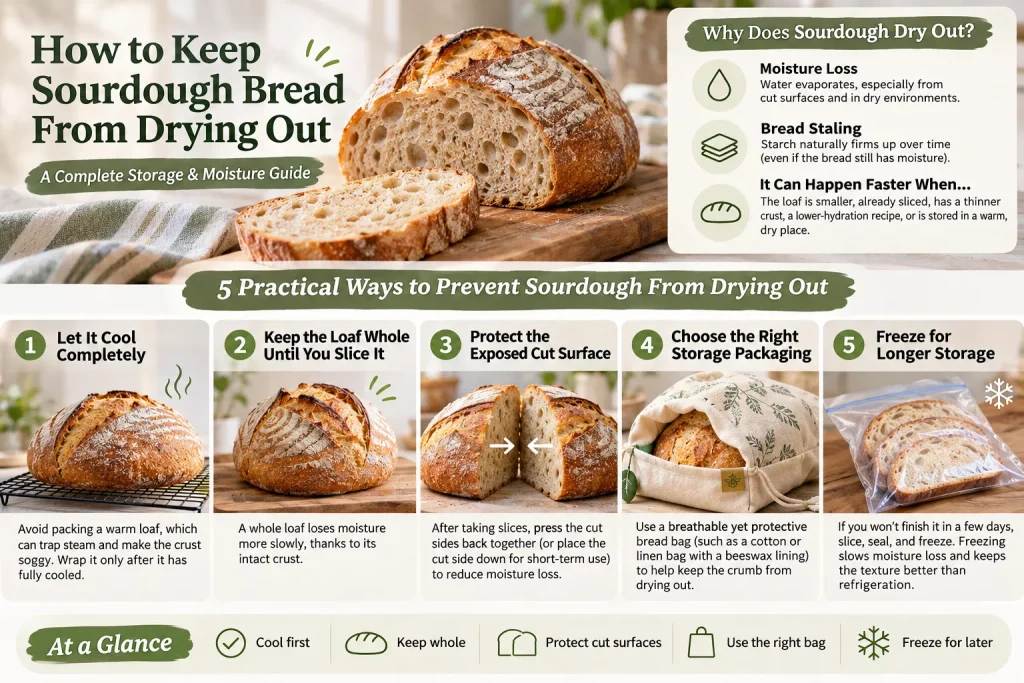
Why Does Breathability Matter for Sourdough Bread?
Breathability affects how moisture moves between sourdough bread and the surrounding air. This influences both crust crispness and crumb softness.
In this context, breathable storage does not mean that baked sourdough needs air to continue fermenting. It simply means that the packaging allows some air and water vapor to pass through.
For crusty, European-style sourdough bread, moisture movement between the crust, crumb, and storage environment plays an important role in how the bread feels and tastes.
1. Moisture Movement Changes the Crust’s Crispness
When sourdough bread comes out of the oven, its crust usually contains less moisture than the crumb. This difference helps create a crisp exterior and a soft interior.
As the bread cools and sits in storage, moisture gradually moves from the crumb toward the crust.
When the crust absorbs more moisture, it can lose its crispness and become softer or chewier. If the bread is placed in airtight packaging, water vapor cannot escape easily. This may cause the crust to soften more quickly.
Allowing some airflow can reduce moisture buildup inside the packaging. However, this does not mean a breathable bread bag will keep the crust crispy indefinitely.
In a dry environment, continued moisture loss can make the crust harder and eventually dry out the crumb.
Breathable storage is therefore more useful for managing short-term texture than for keeping bread fresh indefinitely.
2. Bread Hardening Is Not Just About Moisture Loss
Sourdough bread can become firmer over time even when it does not lose much moisture. This is partly due to a process known as bread staling.
During baking, starch in the flour absorbs water and gelatinizes. As the bread cools, some starch molecules gradually rearrange into a more ordered structure. This process is called retrogradación del almidón.
Food science research shows that starch retrogradation, moisture redistribution, and interactions among other bread components all contribute to changes in crumb firmness and texture.
This explains why bread can still become firm even when it is stored in a sealed bag with little noticeable moisture loss.
Packaging can slow moisture loss, but it cannot completely prevent bread from staling.
If the bread has become firm but has not spoiled, gentle reheating may temporarily improve its texture.
3. Breathable Does Not Mean Mold-Proof
Mold growth is another important consideration when storing bread.
Whether mold develops depends on several factors, including the bread’s moisture conditions, microbial contamination, storage temperature, surrounding humidity, and storage time.
Sealing bread before it has cooled completely can cause water vapor to condense inside the packaging. On the other hand, using a breathable cloth bag in a humid environment does not guarantee that the bread will stay dry or mold-free.
Organic acids and other compounds produced during sourdough fermentation may affect microbial growth under certain conditions.
However, their effects depend on the fermentation cultures, bread formulation, and storage conditions. Sourdough should not be considered naturally mold-proof.
If visible mold appears, discard the entire loaf rather than removing the affected area and eating the rest.
When Should Sourdough Bread Be Stored in a Breathable Bag?
The balance between airflow and moisture retention changes throughout the storage period.
For crusty artisan sourdough, airflow can be useful when maintaining the crust is the main goal. For sliced bread or longer storage, reducing moisture loss often becomes more important.
Freshly Baked: Let the Bread Cool Before Bagging
Freshly baked sourdough should be placed on a cooling rack so that air can circulate around the surface and underneath the loaf.
At this stage, the bread is still warm inside and continues to release water vapor.
If it is placed in an airtight bag immediately, moisture may condense inside the packaging and quickly soften the crust.
Proper cooling also allows the crumb structure to settle, making the bread easier to slice.
Whether you plan to use a cotton bag, linen bag, or beeswax-lined bread bag, always let the bread cool completely before packaging it.
Follow the care and usage instructions for the specific bag.
Same-Day Storage: Consider the Crust Texture
If you plan to eat a crusty sourdough loaf on the day it was baked, an open or moderately breathable storage method may be suitable.
In a clean kitchen with appropriate room conditions, you can temporarily keep the whole loaf on a suitable surface or in a bread container. A clean cloth can be used as a light cover when needed.
Cotton and linen bread bags are also options for short-term storage.
However, a cloth bag cannot guarantee that the crust will remain crispy.
In a dry environment, bread stored in a fabric bag may still lose moisture and become hard.
The goal during this stage is to avoid trapping too much moisture while limiting unnecessary drying.
Next-Day and Longer Storage: Moisture Retention Becomes More Important
If sourdough needs to be stored until the following day or longer, maintaining a soft crumb often becomes a greater priority.
Over time, bread exposed to air gradually loses moisture. Sliced bread is especially vulnerable because its interior is directly exposed to the surrounding air.
At this stage, packaging with better moisture retention may be worth considering. Options include suitable beeswax-lined bread bags and other food-safe sealed packaging.
However, better moisture retention can also cause the crust to soften.
Consumers therefore need to decide whether they value a crisp crust or a soft crumb more.
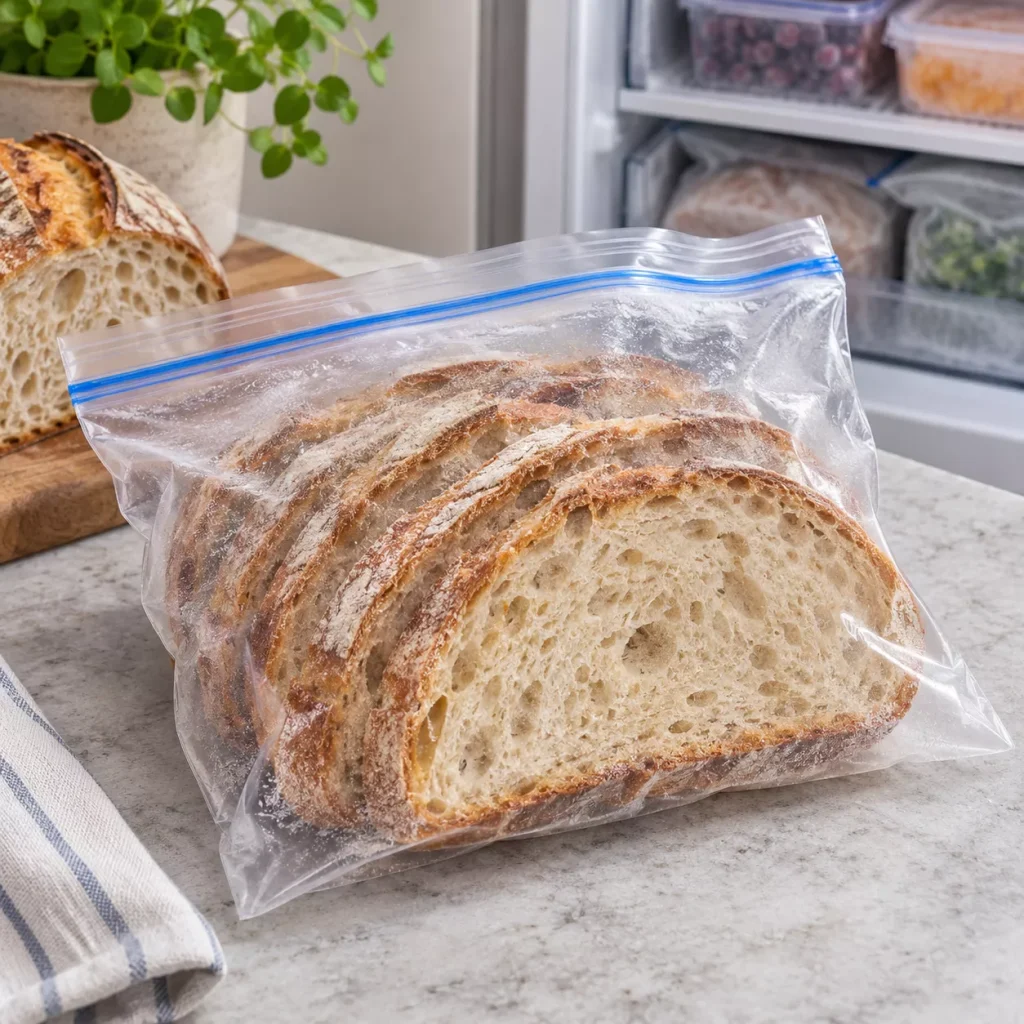
If the bread will not be eaten for several days, slicing, sealing, and freezing it is generally a better option than relying on room-temperature storage.
These time frames describe changes in bread quality, not guaranteed safe shelf life.
Warm, humid conditions, different bread recipes, and storage hygiene can all affect the risk of spoilage. Bread containing perishable fillings must also be stored according to the refrigeration requirements of those ingredients.
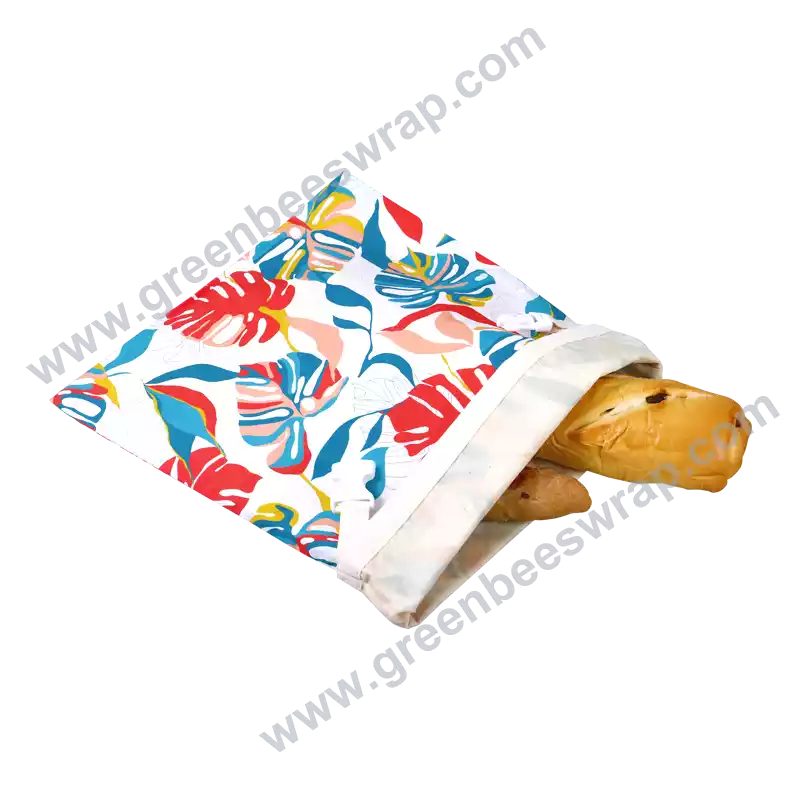
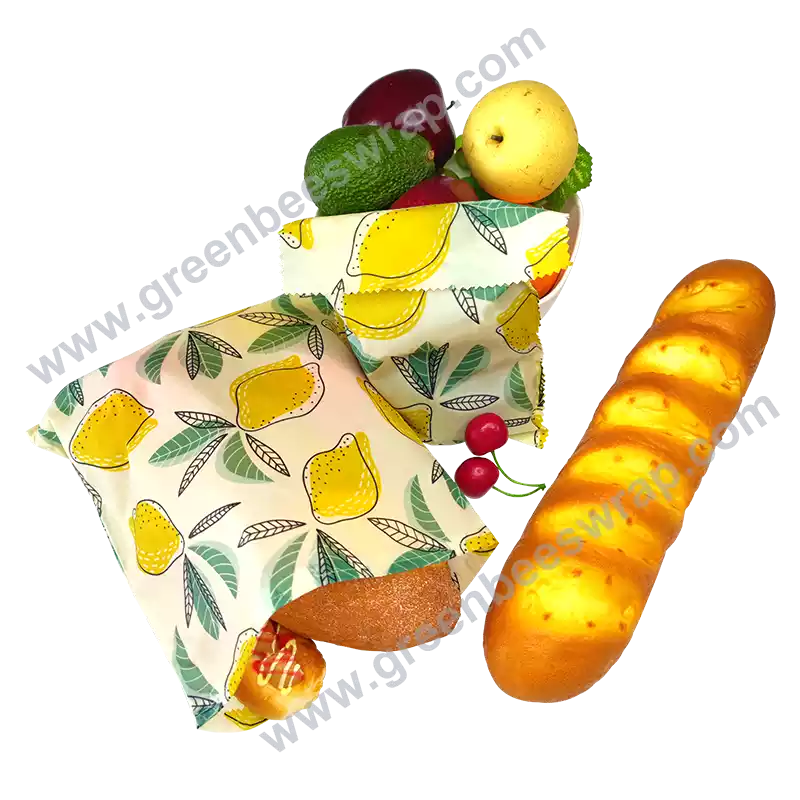
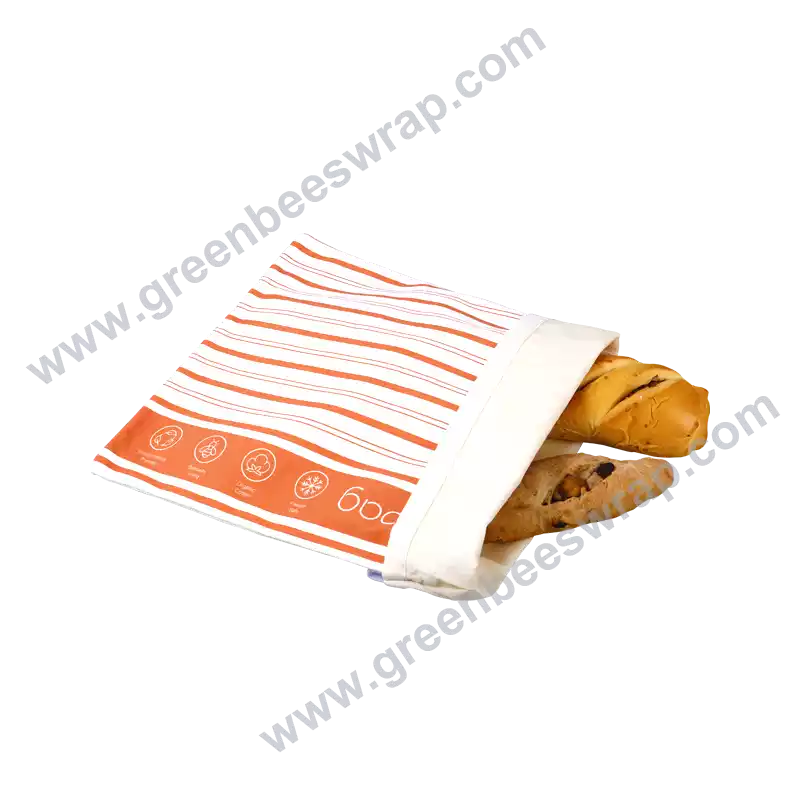
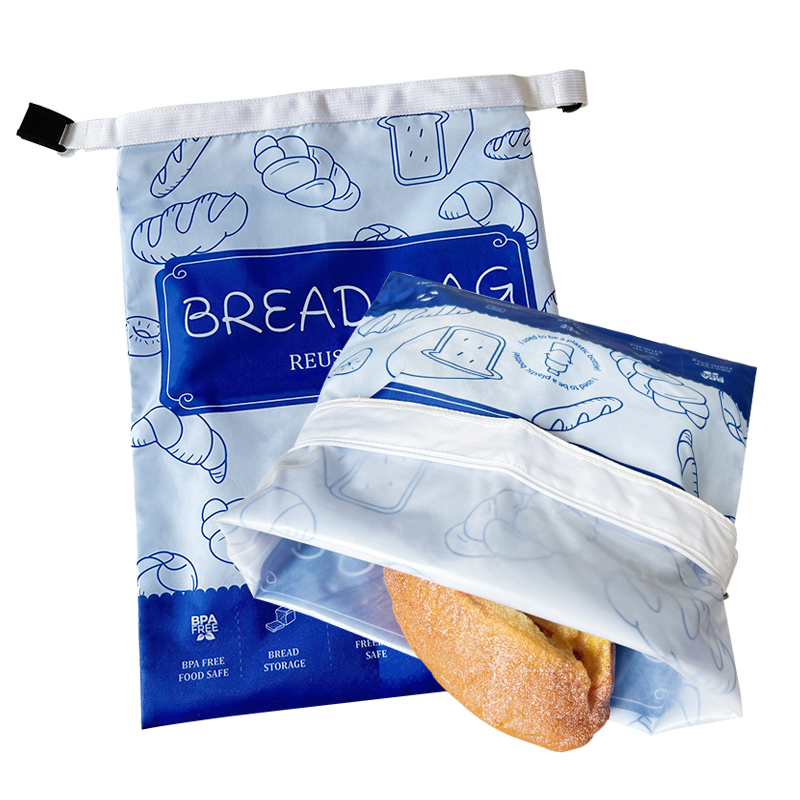
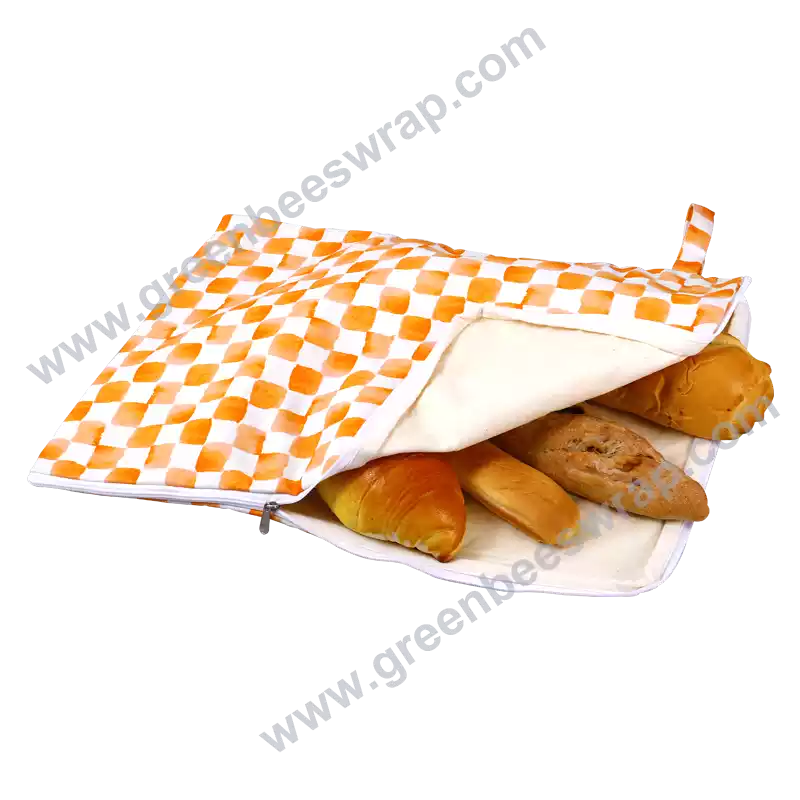
Breathable vs. Airtight Storage: Which Is Better for Sourdough?
Neither method is always better. The main difference is how much air and moisture can move between the bread and its surroundings.
| Factor | Breathable Storage | Airtight or Higher-Moisture-Retention Storage |
|---|---|---|
| Air and water vapor exchange | Relatively high | More restricted |
| Pérdida de humedad | Generally faster | Generally slower |
| Textura de la corteza | Can reduce short-term moisture buildup, but the crust may still become hard | Moisture can accumulate in the crust, making it softer |
| Crumb softness | The crumb may dry out during longer storage | Generally better at limiting moisture loss |
| Ideal para | Cooling crusty sourdough and certain short-term storage situations | Soft bread, sliced bread, and storage where moisture retention is a priority |
| Principales limitaciones | Moisture loss and sensitivity to surrounding humidity | Moisture buildup and reduced crust crispness |
It is also helpful to distinguish between two common types of sourdough bread.
Crusty Sourdough Bread
Rustic European-style sourdough boules and some sourdough baguettes typically have a thicker crust and a relatively open crumb structure.
People often choose these breads for their crisp exterior. For short-term storage, airflow can therefore be an important consideration.
Soft Sourdough Bread
Soft sourdough sandwich loaves and dinner rolls usually have a softer crust and a more uniform crumb.
Since maintaining a crispy crust is not the main goal, packaging that reduces moisture loss is generally more suitable.
Before choosing a bread bag, ask one simple question:
Is it more important to preserve a crisp crust or a soft crumb?
The answer is often more useful than comparing packaging materials based on breathability alone.
Cotton, Linen, and Beeswax-Lined Bread Bags: What’s the Difference?
Cotton, linen, and beeswax-lined bread bags are all options for reusable bread storage products.
However, their material structures and storage characteristics are different.
Cotton Bread Bags: A Practical Fabric Option for Everyday Use
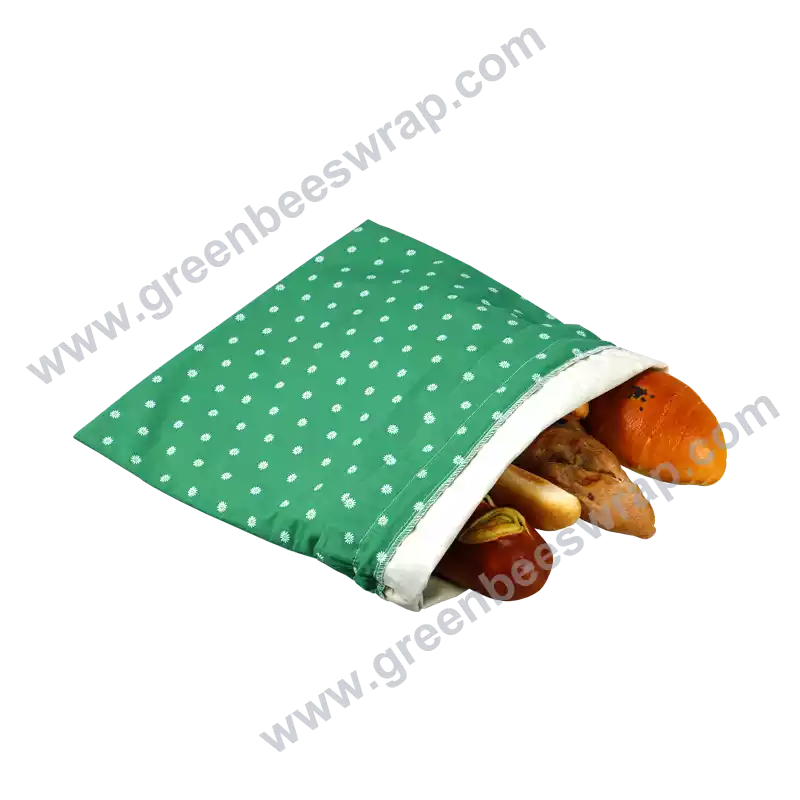
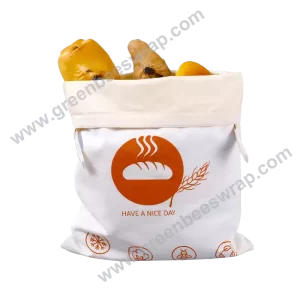
Bolsas de algodón para pan are typically made from woven fabric, which allows some air and water vapor to pass through.
They can be used for short-term storage after bread has cooled. They also appeal to consumers looking to reduce their use of disposable packaging.
From a product development perspective, cotton offers a wide range of design options.
These include natural cotton fabric, solid colors, custom prints, and branded designs.
However, the actual storage performance of a bolsa de algodón para el pan depends on fabric thickness, weave density, bag closure, and environmental conditions.
If the goal is to keep the crumb soft for an extended period, a regular cotton bag may not provide enough moisture protection.
Linen Bread Bags: Natural Fabric for Bread Storage
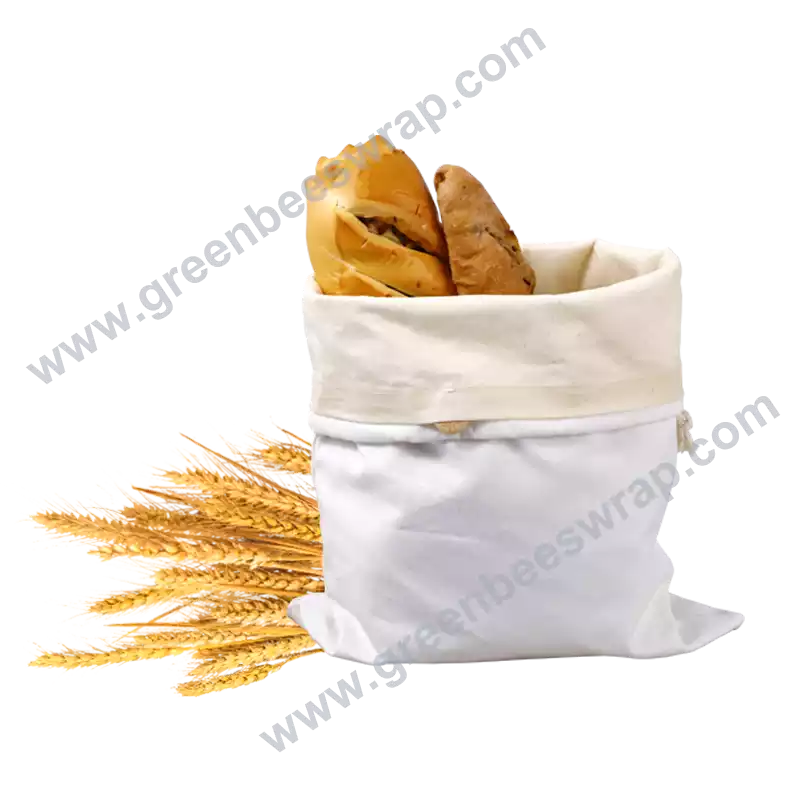
Bolsas de lino para pan are another reusable fabric storage option.
Linen has a distinctive texture and natural appearance. It is often used in artisan bakery products, baking accessories, and kitchen textiles.
For brands that value natural-looking materials and a distinctive fabric finish, linen can be an attractive option for bread bag development.
However, linen is not automatically more breathable than cotton, nor does it necessarily keep bread fresher.
The air permeability, water vapor transmission, and moisture retention of both materials depend on the specific fabric and bag construction.
Beeswax-Lined Bread Bags: A Moisture-Retention-Focused Option
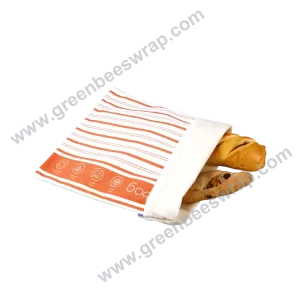
Beeswax-lined bread bags use a beeswax lining or wax-treated fabric layer to change how moisture passes through the packaging.
Compared with an ordinary unlined fabric bag, a suitable beeswax-lined construction can be developed with greater emphasis on reducing moisture loss.
For example, this type of bag may be worth considering for sliced artisan sourdough or for consumers who want to maintain a softer crumb over a longer storage period.
However, a beeswax lining does not automatically make a bag airtight.
Its actual moisture retention and water vapor transmission depend on the wax formulation, coating coverage, lining thickness, and closure design.
Performance can vary significantly between products.
Beeswax materials also generally require care when exposed to heat.
Specific washing temperatures, usage conditions, and food-contact suitability should be confirmed using the product’s verified specifications and care instructions.
For brands planning to sell beeswax-lined bread bags internationally, food-contact requirements should also be checked against the regulations of the intended market.
How to Choose the Right Bread Bag for Sourdough
The best way to choose a sourdough bread bag is to start with the intended use rather than the material name alone.
| Storage Need | Options to Consider | What to Keep in Mind |
|---|---|---|
| Crusty sourdough eaten the same day | Moderately open storage, cotton Bread bags, o bolsas de lino | Avoid excessive moisture loss |
| Sourdough eaten the following day | Choose packaging based on crust texture and crumb softness | Balance breathability and moisture retention |
| Soft sourdough sandwich bread | Packaging with better moisture retention | Avoid moisture buildup |
| Sliced sourdough bread | Reduce exposed cut surfaces and use suitable moisture-retaining packaging | Protect the crumb and maintain hygiene |
| Bread stored for several days or longer | Slice and freeze in suitable airtight freezer packaging | Reduce freezer-related moisture loss and repeated thawing |
Bag size is another important consideration.
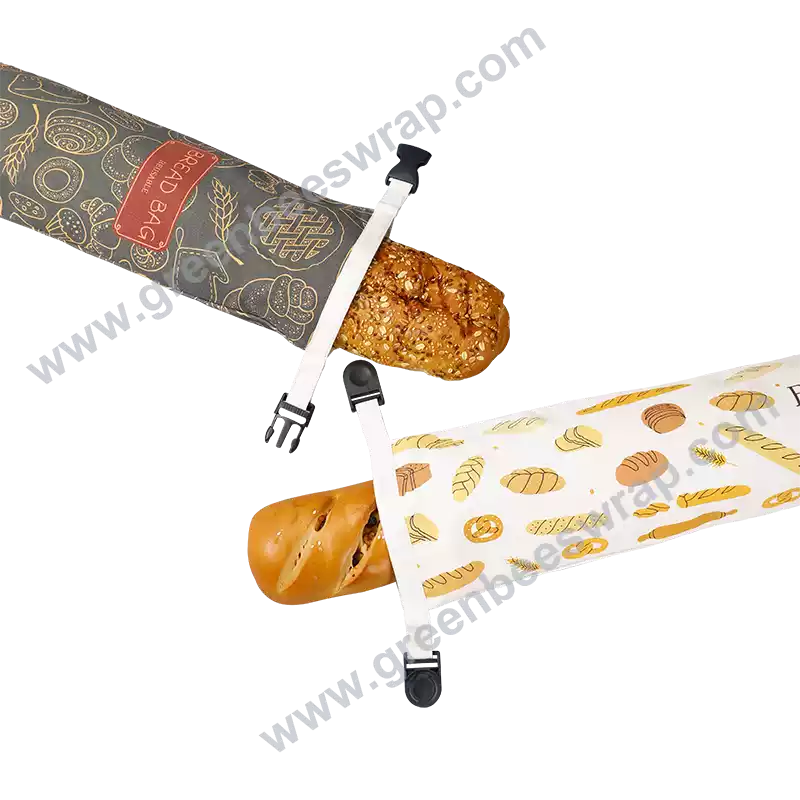
A large rustic sourdough boule needs enough interior space, while baguettes, sandwich loaves, and small rolls have different length, width, and construction requirements.
The closure also affects everyday use.
Cordón closures are convenient for repeated opening and closing, but they should not be considered completely airtight.
Other closure designs should be evaluated based on the material, frequency of use, and storage requirements.
For reusable bread bags intended for everyday use, ease of cleaning, drying conditions, and long-term material care are also worth considering.
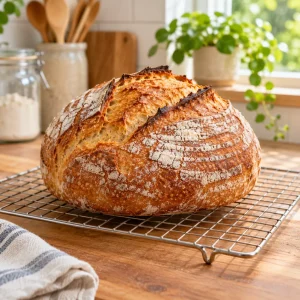
How to Store Sourdough Bread Properly: Five Practical Steps
Regardless of which bread bag you choose, the following steps can help maintain bread quality during storage.
Step 1: Let the Bread Cool Completely
After baking, place the loaf on a clean cooling rack. This helps prevent steam from building up underneath the bread.
Once the loaf has cooled completely, choose packaging based on how long you plan to store it.
Step 2: Keep the Loaf Whole When Possible
A whole loaf generally has less exposed crumb surface than sliced bread.
If you do not need to eat it immediately, keep the loaf whole when storage conditions allow.
For a partially cut crusty sourdough loaf, placing the cut side down on a clean, food-safe surface may help reduce moisture loss under suitable short-term conditions.
If the bread will be stored in a bag, consider whether the cut surface needs additional moisture protection.
Step 3: Choose a Suitable Storage Environment
Store bread in a clean, dry place away from direct sunlight.
In humid environments, open or breathable storage may not provide the desired results.
Warm and humid conditions also increase concerns about mold growth. Room-temperature storage should never be treated as a way to keep bread safe indefinitely.
Refrigeration can slow the growth of some microorganisms, but normal refrigerator temperatures may also accelerate starch retrogradation, causing bread to become firm more quickly.
For ordinary sourdough without perishable fillings, freezing is often a better option when the goal is to maintain quality over a longer period.
Step 4: Slice and Freeze Bread for Longer Storage
If you do not expect to finish a loaf soon, let it cool completely and divide it into portions suitable for individual servings.
Place the portions in food-safe packaging designed for freezing, and seal them properly.
This makes it easier to take out only what you need and reduces repeated thawing.
Before eating, thaw the bread as appropriate for its size and type. Gentle reheating or toasting can help improve the crust and crumb texture.
Not all reusable fabric or beeswax-lined bread bags are suitable for freezing. Always follow the specific product instructions.
Step 5: Keep Reusable Bread Bags Clean and Dry
Reusable bread bags still require regular cleaning and proper care.
Wash ordinary fabric bags according to the material’s care instructions, and allow them to dry completely before using them again.
Beeswax-lined bags require care appropriate to their construction.
Do not use high-temperature washing, tumble drying, or direct exposure to high heat unless the product instructions specifically allow it.
If a storage bag becomes noticeably damp, develops an unusual odor, or shows other signs of a problem, inspect and clean it before deciding whether it can be used again.
How Should Bakeries and Sustainable Brands Choose Reusable Bread Bags?
For business buyers, bread bags are more than everyday storage accessories.
They can also become bakery-branded merchandise, retail kitchen products, or part of a gift set.
The best starting point is to understand how customers will use the product. Material, construction, size, and packaging decisions can then follow.
Artisan Bakeries and Specialty Bread Brands
Bakeries selling rustic sourdough, baguettes, and other artisan breads often care about product appearance, bag dimensions, and the customer experience after purchase.
Natural cotton and linen bags can be considered for these applications.
Bakeries may also add their logos, storage instructions, or custom illustrations to the bags.
If the bags are sold as branded merchandise, their intended storage uses should be explained clearly.
Bolsas de pan reutilizables should not be marketed as a guaranteed way to keep bread fresh for an extended period.
Sustainable Kitchenware Brands and E-Commerce Sellers
For brands selling reusable kitchen products, bread bags can be offered individually or combined with other food storage accessories.
Regular fabric bread bags can be positioned around everyday storage and reusable use.
Beeswax-lined bread bags may appeal to consumers who place greater importance on moisture retention, provided that the performance claims are supported by suitable product testing.
Brands can also differentiate their product ranges through sizes, prints, closure designs, and retail packaging.
This is often more useful than relying on material names alone to distinguish products.
Wholesalers, Importers, and Retail Chains
For buyers sourcing bread bags in larger quantities, product selection involves more than the material itself.
Retail price positioning, standardized sizing, packaging volume, shelf presentation, and supply continuity can all affect purchasing decisions.
Before placing an order, buyers should confirm the material composition, product construction, size tolerances, cleaning instructions, packaging specifications, and available food-contact documentation.
Where the destination market has specific food-contact requirements, the relevant testing and compliance documents should be reviewed in relation to the product’s intended use.
Clear specifications help buyers avoid a mismatch between product claims and actual applications.
They also support private label sales and more accurate communication with end consumers.
Green Wrap Reusable Bread Bags and Customization Services
Green Wrap supplies envases alimentarios reutilizables products to overseas sustainable packaging brands, importers, wholesalers, e-commerce sellers, and retail businesses.
Our product range includes reusable fabric bread bags, beeswax-lined bread bags, envoltorios alimentarios de cera de abeja, reusable bowl covers, and other related kitchen storage products.
For customers developing their own branded bread bags, Green Wrap offers options that can be discussed and tailored to specific project requirements.
- Materials and Construction: Explore cotton, linen, and suitable beeswax-lined constructions based on the available product options.
- Custom Sizes and Shapes: Discuss bag dimensions and styles based on bread types, intended use, and retail requirements.
- Custom Prints and Branding: Develop custom patterns, branded graphics, and other suitable design details.
- Retail Packaging and Product Sets: Explore retail packaging, branded labels, and product bundles for different sales channels.
- Wholesale and Private Label: We support wholesale, OEM/ODM, and private label projects. Minimum order quantities, quotations, and delivery requirements are confirmed according to the specific order.
We can also help customers evaluate the differences between regular fabric bread bags and beeswax-lined options based on their product positioning and intended applications.
For projects involving moisture-retention claims, specific food-contact uses, or destination-market compliance requirements, the relevant product specifications and documentation should be reviewed during product development and sourcing.
Looking for Reusable Bread Bags for Your Brand?
Contact Green Wrap to share your product ideas, preferred materials, estimated order quantities, and packaging requirements.
We would be happy to discuss suitable wholesale or custom bread bag options for your business.
Frequently Asked Questions (FAQ)
1. Are Paper Bags or Cloth Bags Better for Storing Sourdough Bread?
Both paper and cloth bags can be used for certain short-term storage situations, but their material structures and moisture-retention properties are different.
Paper bags generally allow some airflow but offer limited protection against moisture loss.
The performance of a cloth bag depends on its fabric type, thickness, and weave.
Neither material should be expected to keep a sourdough crust crispy indefinitely.
For longer storage, packaging with better moisture retention may be more suitable.
2. Can I Store Sliced Sourdough Bread in a Breathable Bag?
Yes, but moisture loss from the exposed crumb needs to be considered.
Sliced bread has more interior surface area exposed to air, so it generally dries out faster than a whole loaf.
If you do not plan to eat the bread soon, packaging that reduces moisture loss is usually a better option.
3. Why Does My Sourdough Bread Become Hard Even in a Cloth Bag?
Cloth bags allow some moisture to escape, so they cannot completely prevent the bread from drying out.
Bread staling also involves internal changes, including starch retrogradation.
In dry conditions, bread left in a cloth bag for an extended period may gradually develop a harder crust and a firmer crumb.
4. Can a Beeswax-Lined Bread Bag Replace an Airtight Plastic Bag?
It depends on the product’s construction and intended use.
A beeswax lining changes how moisture moves through the fabric, but this does not mean every beeswax-lined bag provides the same airtightness or moisture retention as a sealed plastic bag.
Buyers should compare material construction, closure design, and available performance test results before treating the two products as equivalent alternatives.
5. Are Beeswax-Lined Bread Bags Suitable for Freezing Sourdough?
This cannot be determined from the beeswax material alone.
Freezer suitability depends on the lining formulation, its behavior at low temperatures, and the bag’s closure structure.
A product should not be advertised as freezer-safe unless its suitability has been confirmed.
For longer-term frozen storage, use packaging that is verified as suitable for freezing food.
6. How Many Days Can Sourdough Bread Be Stored Safely?
There is no single safe storage period that applies to every type of sourdough bread or storage environment.
Actual storage life depends on the recipe, production hygiene, temperature, humidity, packaging, and whether the bread contains perishable ingredients.
The bread’s acidity, the bag material, or freshness claims on the packaging cannot guarantee that the bread remains safe to eat.
If you notice mold, unusual odors, or other clear signs of spoilage, do not eat the bread.
When its safety is uncertain, it is best not to consume it.
Conclusion: Sourdough Needs the Right Storage Conditions, Not Constant Airflow
Storing sourdough bread properly means finding the right balance between airflow and moisture retention.
For freshly baked crusty sourdough, or bread that will be eaten the same day, moderate airflow can support cooling and help manage the crust’s short-term texture.
For sliced bread, softer loaves, or bread that needs to be stored longer, limiting moisture loss often becomes more important.
Cotton, linen, and beeswax-lined bread bags offer different material options, but their actual performance depends on construction, environmental conditions, and how they are used.
Whether you are a home baker or a business developing reusable bread storage products, understanding these differences can help you make more informed choices.
For brands and retailers, it also provides a stronger foundation for clear product descriptions, realistic usage guidance, and more reliable communication with customers.
References
- King Arthur Baking. How to Store Sourdough Bread. 2024.
https://www.kingarthurbaking.com/blog/2024/11/06/how-to-store-sourdough-bread - King Arthur Baking. The Best Way to Store Yeast Bread. 2020.
https://www.kingarthurbaking.com/blog/2020/07/08/the-best-way-to-store-yeast-bread - van Rooyen, J., et al. Wheat Starch Structure–Function Relationship in Breadmaking: A Review. Comprehensive Reviews in Food Science and Food Safety, 2023.
https://doi.org/10.1111/1541-4337.13147 - Fadda, C., et al. Bread Staling: Updating the View. Comprehensive Reviews in Food Science and Food Safety, 2014.
https://doi.org/10.1111/1541-4337.12064 - U.S. Department of Agriculture, Food Safety and Inspection Service. Molds on Food: Are They Dangerous?
https://www.fsis.usda.gov/food-safety/safe-food-handling-and-preparation/food-safety-basics/molds-food-are-they-dangerous