

Für Hobbybäcker gibt es nichts Schöneres als die Freude an frisch gebackenem Brot. Das intensive Weizenaroma, die knusprige Kruste und die weiche Krume machen selbstgebackenes Brot zu etwas ganz Besonderem.
Viele Backbegeisterte stehen jedoch vor denselben praktischen Fragen:
- Wie lange hält selbstgebackenes Brot eigentlich?
- Warum wird es manchmal schon nach zwei Tagen hart?
- Warum hält sich manche Sauerteig eine Woche lang?
- Bedeutet hartes Brot, dass es verdorben ist?
- Sollte man es bei Raumtemperatur, im Kühlschrank oder im Gefrierschrank aufbewahren?
Grüner Umhang erläutert die Haltbarkeit von selbstgebackenem Brot und verrät die Geheimnisse der Verwendung umweltfreundlicher Bio-Verpackungen, damit es länger haltbar bleibt.
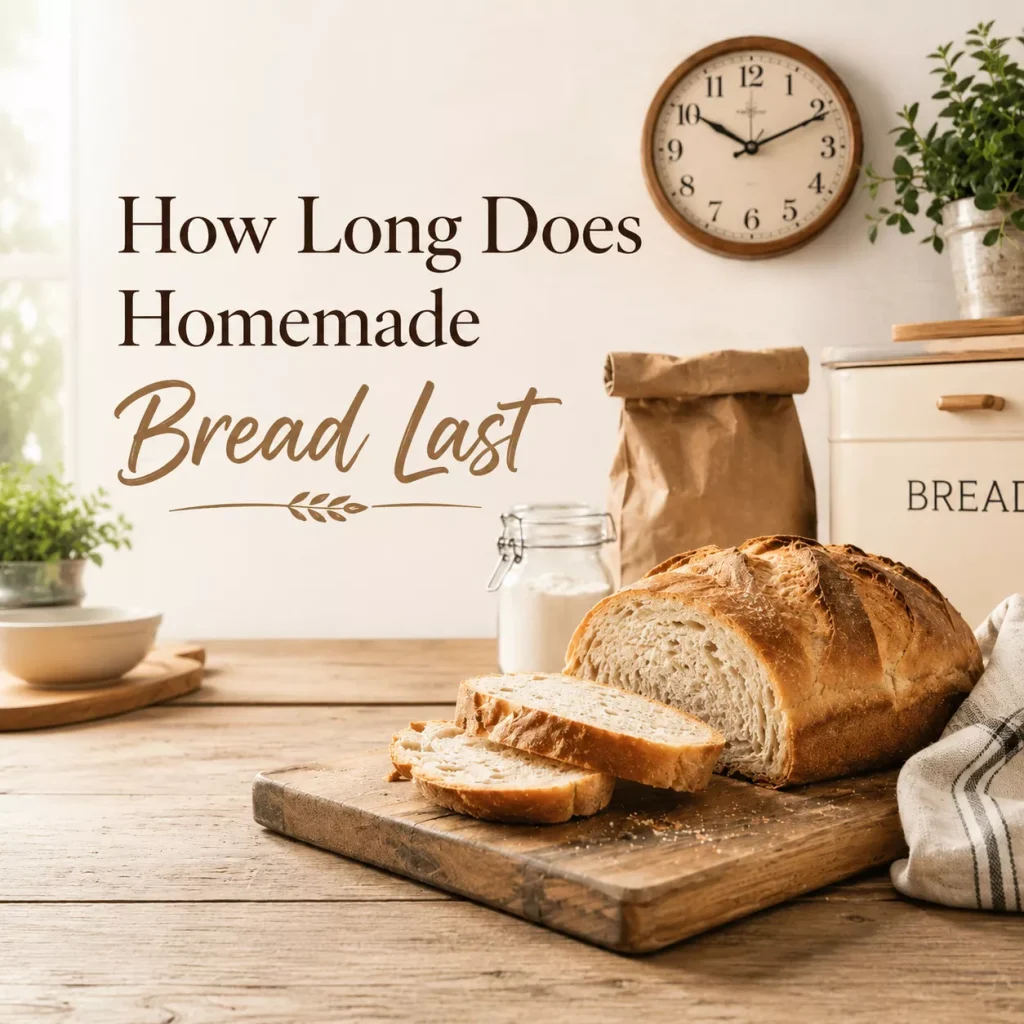
Warum wird selbstgebackenes Brot schneller alt als im Laden gekauftes?
Das meiste selbstgebackene Brot ist wirklich naturbelassen – meist besteht es nur aus Mehl, Wasser, Hefe oder Sauerteig, Salz und manchmal Zucker oder Fett.
Im Handel erhältliche Produkte enthalten Konservierungsstoffe, Emulgatoren, Feuchthaltemittel und Backhilfsmittel, die die Haltbarkeit verlängern, Schimmelbildung verhindern und dafür sorgen, dass die Produkte weich bleiben.
Also Selbstgebackenes Brot ist von Natur aus weniger lange haltbar.
Ist das “Hartwerden” von Brot dasselbe wie das Verderben?
Nein – das ist ein häufiges Missverständnis.
Verhärtung von Brot
Das ist normalerweise Veraltung verursacht durch die Retrogradation der Stärke. Nach dem Abkühlen ordnen sich die Stärkemoleküle neu an, wodurch die Krume dichter, die Konsistenz fester und das Aroma schwächer wird. Das Brot ist im Allgemeinen weiterhin unbedenklich zum Verzehr.
Brotform
Das ist mikrobieller Verderb—weiße, grüne, blaue oder schwarze Flecken und ungewöhnlicher Geruch. Sobald Sie Schimmel entdecken, werfen Sie den ganzen Laib weg.
Wie lange hält sich selbstgebackenes Brot bei Raumtemperatur?
Unter Raumtemperatur versteht man in der Regel einen kühlen Ort im Haus mit einer Temperatur zwischen 18 °C und 25 °C. Die Zeiten variieren je nach Brotsorte:
Normales Weißbrot (Weißbrot zum Toasten, Milchbrot, Sandwichbrot)
- Optimale Konsistenz: 1–2 Tage
- Noch sicher: 3–4 Tage
- Schimmelrisiko steigt: 4–6 Tage
Vollkornbrot: Mehr Keime, Öle und Ballaststoffe führen zu einer schnelleren Oxidation.
- Am besten: 2–3 Tage
- Sicher: 4–5 Tage
Sauerteig ist oft am längsten haltbar, da die bei der natürlichen Gärung entstehenden Milchsäure und Essigsäure das Schimmelwachstum hemmen.
- Optimale Konsistenz: 2–4 Tage
- Versanddauer: 5–7 Tage
- Einige Sorten mit hohem Säuregehalt: 7–10 Tage
Haltbarkeit nach Brotsorte
| Brotsorte | Die beste Textur überhaupt | Lagerungsdauer bei Raumtemperatur |
|---|---|---|
| Weißer Toast | 1–2 Tage | 3–4 Tage |
| Milchbrot | 1–2 Tage | 3–4 Tage |
| Vollkorn | 2–3 Tage | 4–5 Tage |
| Baguette | Noch am selben Tag | 1–2 Tage |
| Ciabatta | 1–2 Tage | 3–4 Tage |
| Sauerteig | 2–4 Tage | 5–7 Tage |
| Roggen-Sauerteig | 3–5 Tage | 7–10 Tage |
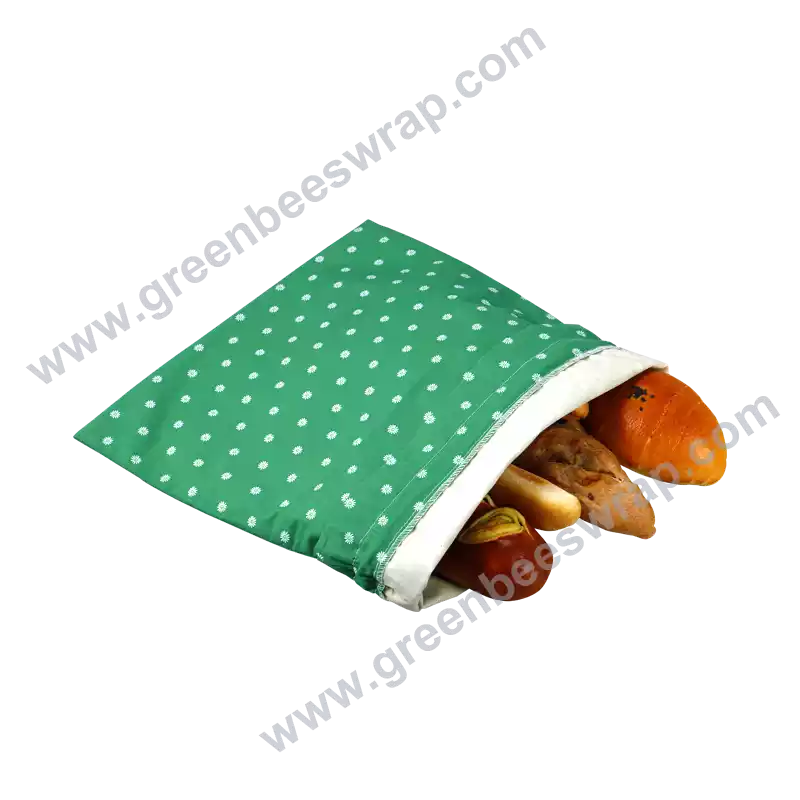
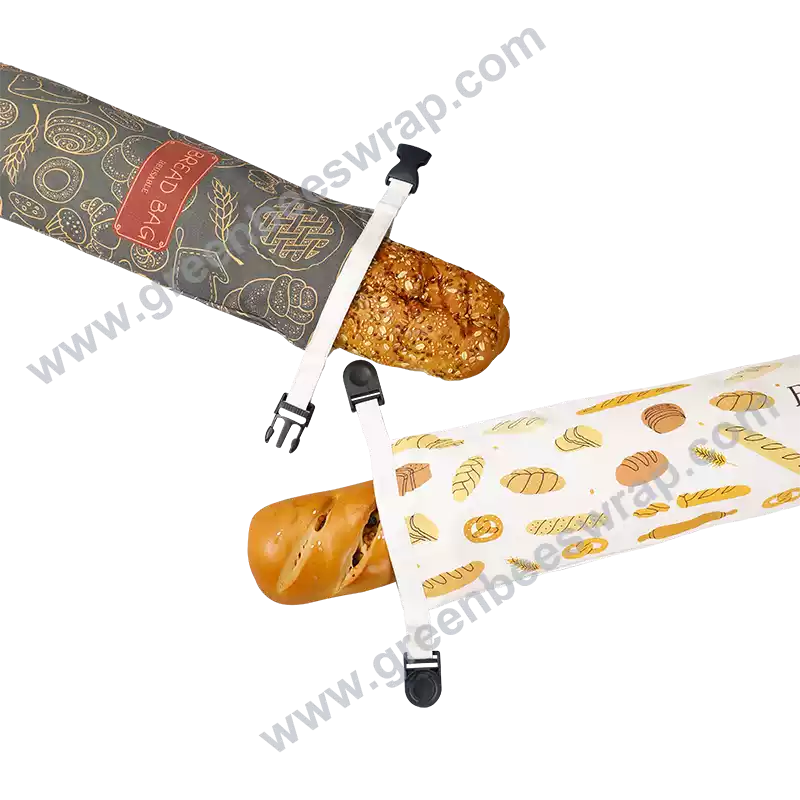
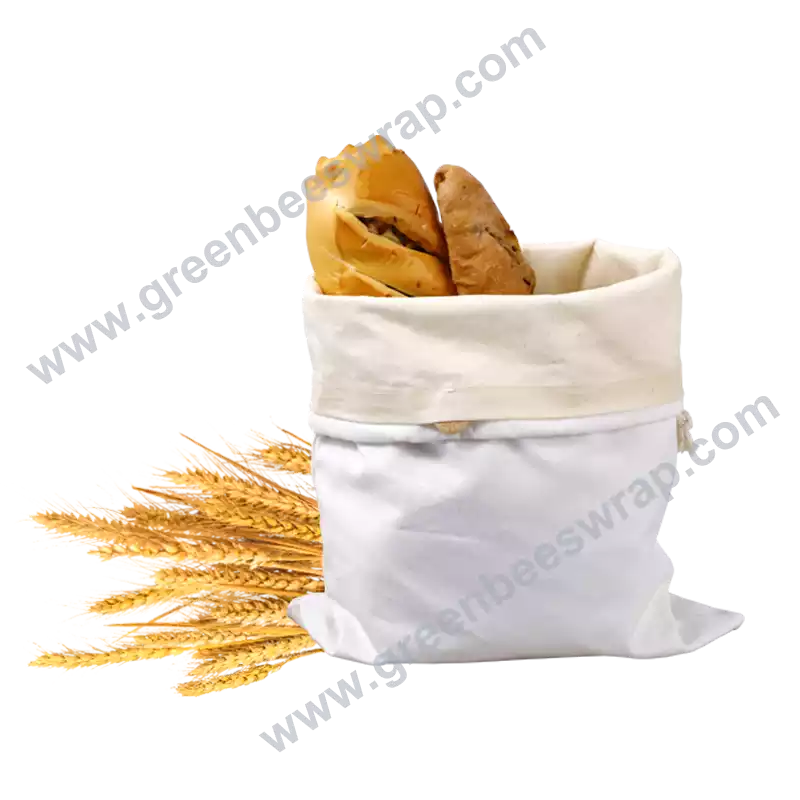


Wie sich die Lagerungsart auf die Haltbarkeit auswirkt
Die Art und Weise, wie man Brot aufbewahrt, ist oft wichtiger als das Rezept. Unterschiedliche Verpackungsarten führen zu spürbaren Unterschieden im Ergebnis.
- An der Luft: Schneller Feuchtigkeitsverlust und schnelles Altwerden – hält 1–2 Tage, am wenigsten empfehlenswert.
- Papiertüte: Gute Luftdurchlässigkeit für Baguettes und europäische Brotsorten – 2–3 Tage.
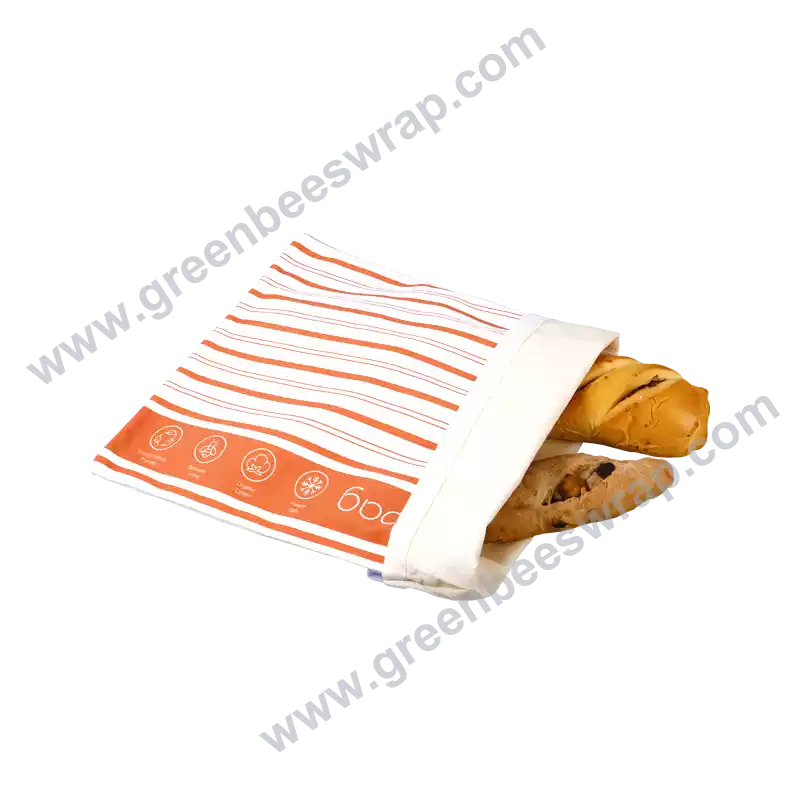
- Brotbeutel aus Baumwolle: Gleicht Luftzirkulation und Feuchtigkeit aus – 3–4 Tage.
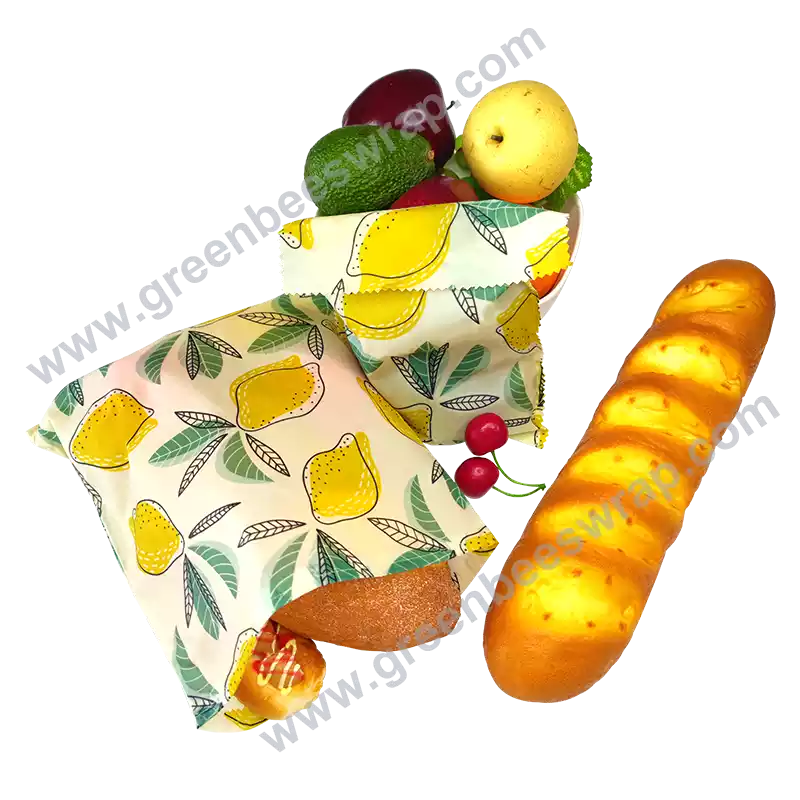
- Brotbeutel aus Bienenwachs: Schafft ein halbdurchlässiges Mikroklima, das die ideale Luftfeuchtigkeit aufrechterhält, Kondensation verhindert und den Trocknungsprozess verlangsamt – 4–6 Tage, ideal für Sauerteig-, Vollkorn- und handwerklich hergestellte Brote.
- Brotdose: Klassische Variante – 4–5 Tage.
Haltbarkeit nach Lagerungsmethode
| Lagerung | Frischhaltezeit |
|---|---|
| Offene Lagerung | 1–2 Tage |
| Papiertüte | 2–3 Tage |
| Baumwolltasche | 3–4 Tage |
| Brotkasten | 4–5 Tage |
| Beutel aus Bienenwachs | 4–6 Tage |
| Einfrieren | 1–3 Monate |
Hält sich Brot im Kühlschrank wirklich länger?
Viele greifen zum Kühlschrank. Das ist meistens keine so gute Idee.
Warum wird Brot durch Kühlung schneller hart?
Kühlschranktemperaturen (etwa 4 °C) liegen genau im optimalen Bereich für eine schnelle Stärke-Retrogradation (0 °C–10 °C). Das Brot wird schneller altbacken, verliert an Geschmack und trocknet aus.
Profibäcker sind sich im Allgemeinen einig: Für die kurzfristige Lagerung sollte man den Kühlschrank meiden.
Was ist die beste Methode für die Langzeitlagerung?
Einfrieren. Bei -18 °C oder darunter kommen Mikroben fast zum Stillstand, und der Verderb verlangsamt sich drastisch, wodurch die Qualität optimal erhalten bleibt.
Wie lange ist tiefgefrorenes Brot haltbar?
Allgemein:
| Brotsorte | Gefrierzeit |
|---|---|
| Weißbrot | 1–2 Monate |
| Vollkorn | Etwa 2 Monate |
| Sauerteig | 2–3 Monate |
| Baguette | Etwa 1 Monat |
Am besten innerhalb von 30–60 Tagen genießen.
So friert man Brot richtig ein
- Vollständig abkühlen lassen.
- Für eine einfache Portionierung in Scheiben schneiden.
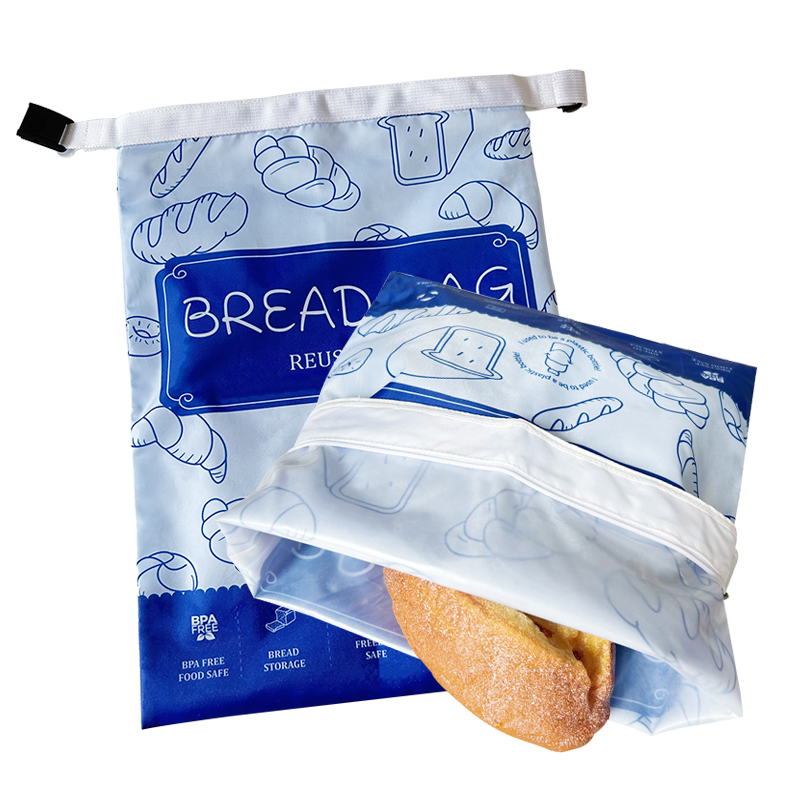
- Verwenden Sie wiederverwendbare Gefrierbeutel, um Gefrierbrand zu vermeiden.
- Beschriften Sie die Brote mit dem Datum und verbrauchen Sie die älteren Brote zuerst.
Woran erkennt man, dass Brot nicht mehr frisch ist?
Selbst bei optimaler Verpackung wird selbstgebackenes Brot irgendwann ungenießbar. Wenn Sie eines dieser Anzeichen bemerken, entsorgen Sie es im Kompost:
- Schimmel: Weiße, grüne oder schwarze, flaumige Flecken deuten darauf hin, dass sich Sporen ausgebreitet haben. Schneiden Sie nicht einfach nur den befallenen Teil ab – das unsichtbare Myzel hat sich bereits überall ausgebreitet.
- Ungewöhnlicher Geruch: Scharf-säuerlich (über den normalen Sauerteiggeschmack hinaus), alkoholisch oder muffig – Bakterien haben die Oberhand gewonnen.
- Steinhart: Kein Schimmel, aber steinhart? Es ist zwar unbedenklich, aber völlig altbacken. Verarbeiten Sie es zu Semmelbröseln – umweltfreundlich und abfallfrei!
So bleibt selbstgebackenes Brot länger frisch
Beachten Sie folgende Tipps:
- Vor dem Verpacken vollständig abkühlen lassen, um Kondenswasserbildung zu vermeiden.
- Verwenden Sie atmungsaktive Materialien wie Baumwolle oder Brotbeutel aus Bienenwachs.
- Vor direkter Sonneneinstrahlung schützen (Hitze begünstigt Schimmelbildung).
- Frieren Sie es nach 5 Tagen ein, anstatt zu warten, bis es hart ist.
Hersteller von individuell gestalteten Brottüten
Green Wrap hat sich auf umweltfreundliche Brotbeutel aus Bio-Material spezialisiert und versteht die Bedürfnisse von Hobbybäckern genau:
- Einzelhandel: Sofort lieferbare Bio-Ware Baumwollbeutel mit Kordelzug, Bienenwachstüten, TPU, wasserdicht Sorten und vieles mehr – durch den Einzelkauf können Sie die Frische sofort verlängern.
- OEM-Sonderanfertigungen: Individuelle Größen, Farben, Logos und herzliche Botschaften. Kunsthandwerksateliers und kleine Marken erhalten einzigartige Öko-Verpackungen, die ihre Kunden begeistern.
- Großhandel: Mengenrabatte, zuverlässige Lieferung und “Altbeutel-Inzahlungnahme”-Angebote zur Förderung eines umweltbewussten Lebensstils.
Wir verwenden Bio-Baumwolle in Lebensmittelqualität und führen Sicherheitsprüfungen durch. Wir empfehlen Ihnen die für Ihre Brotsorten (weich oder knusprig) und Chargengrößen am besten geeignete Variante.
Fazit
Es gibt keine allgemeingültige Antwort auf die Frage nach der Haltbarkeit von selbstgebackenem Brot – sie hängt vom Rezept, den Umgebungsbedingungen und der Lagerung ab. Die meisten selbstgebackenen Brote haben bei Zimmertemperatur nur 1 bis 4 Tage lang ihre optimale Konsistenz, während Sauerteig- und Roggenbrote dank der natürlichen Säuren aus der Gärung oft 5 bis 10 Tage haltbar sind.
Aufschlüsselung der Speichereffizienz:
- Im Freien: 1–2 Tage
- Papiertüte: 2–3 Tage
- Brotbeutel aus Baumwolle: 3–4 Tage
- Brotdose: 4–5 Tage
- Brotbeutel aus Bienenwachs: 4–6 Tage
- Einfrieren: 1–3 Monate
Für diejenigen, die häufig backen, ist die tägliche Verwendung von Brottüten aus Bienenwachs in Kombination mit dem Einfrieren zur längeren Aufbewahrung die ideale Lösung – hervorragende Frische, umweltfreundlich und praktisch.
 English
  German
  French
  Spanish
  Italian
  Dutch
Dutch