

For home bakers, nothing beats the satisfaction of fresh-from-the-oven bread. That rich wheat aroma, crispy crust, and soft interior are what make homemade loaves so special.
But many baking enthusiasts run into the same practical questions:
- How many days does homemade bread actually last?
- Why does it sometimes go hard in just two days?
- Why can some sourdough keep for a week?
- Does hard bread mean it’s spoiled?
- Should you store it at room temperature, in the fridge, or freezer?
Green Wrap breaks down the shelf life of homemade bread and the secrets of using organic eco-friendly packaging to make it last longer.
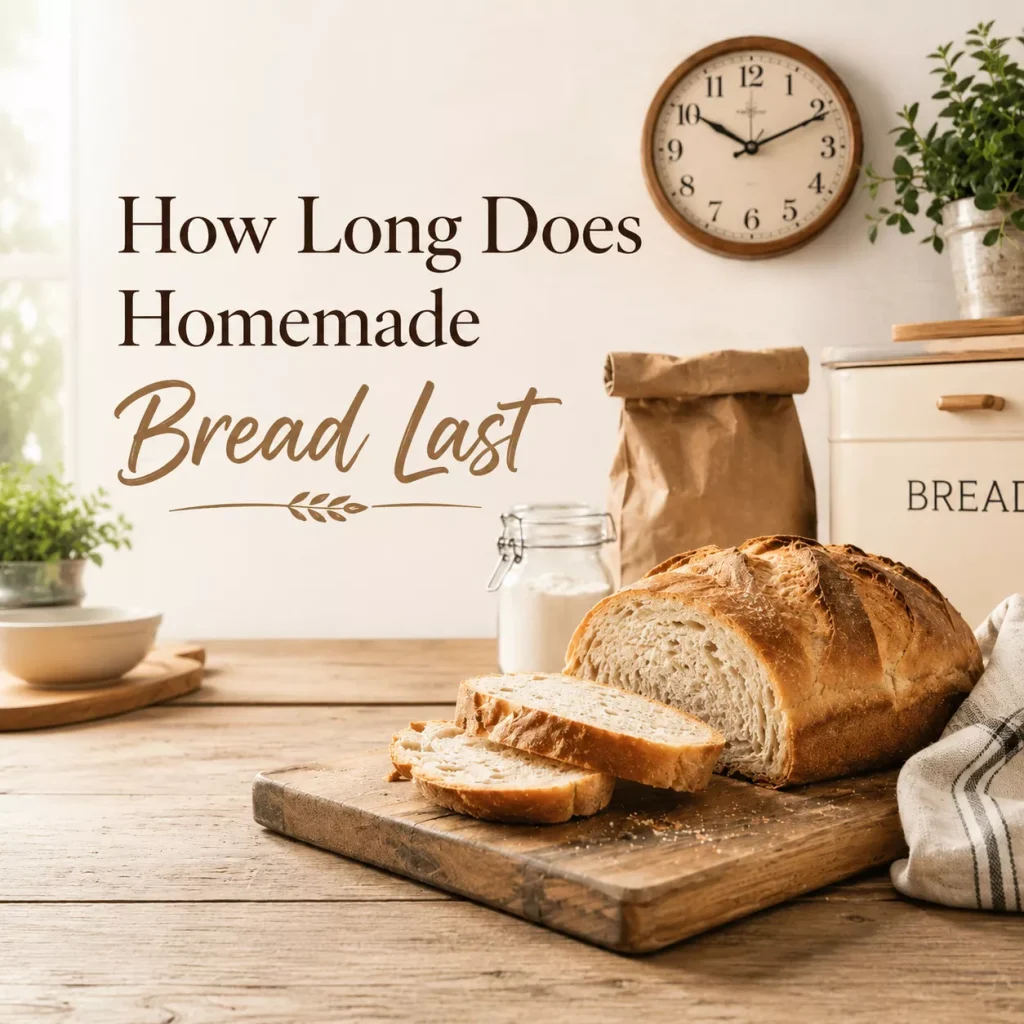
Why does homemade bread spoil faster than store-bought?
Most home-baked bread is truly natural—usually just flour, water, yeast or sourdough starter, salt, and sometimes sugar or fat.
Store-bought versions add preservatives, emulsifiers, humectants, and improvers that extend shelf life, fight mold, and keep things soft.
So homemade bread has a shorter natural shelf life.
Is bread “hardening” the same as spoiling?
No—this is a common mix-up.
Bread staling (hardening)
This is usually staling caused by starch retrogradation. After cooling, starch molecules rearrange, making the crumb denser, texture firmer, and aroma weaker. The bread is still generally safe to eat.
Bread mold
This is microbial spoilage—white, green, blue, or black spots and off smells. Once you see mold, toss the whole loaf.
How long does homemade bread last at room temperature?
Room temperature usually means a cool indoor spot around 18°C-25°C. Times vary by bread type:
Regular white bread (white toast, milk bread, sandwich bread)
- Best texture: 1-2 days
- Still safe: 3-4 days
- Mold risk rises: 4-6 days
Whole wheat bread More germ, oils, and fiber mean faster oxidation.
- Best: 2-3 days
- Safe: 4-5 days
Sourdough Often lasts longest thanks to lactic and acetic acids from natural fermentation that help inhibit mold.
- Best texture: 2-4 days
- Safe: 5-7 days
- Some high-acidity versions: 7-10 days
Shelf Life by Bread Type
| Bread Type | Best Texture Period | Room Temp Safe Time |
|---|---|---|
| White Toast | 1-2 days | 3-4 days |
| Milk Bread | 1-2 days | 3-4 days |
| Whole Wheat | 2-3 days | 4-5 days |
| Baguette | Same day | 1-2 days |
| Ciabatta | 1-2 days | 3-4 days |
| Sourdough | 2-4 days | 5-7 days |
| Rye Sourdough | 3-5 days | 7-10 days |



How Storage Method Affects Shelf Life
The way you store bread often matters more than the recipe. Different packaging changes results noticeably.
- Open air: Fast moisture loss and quick staling—lasts 1-2 days, least recommended.
- Paper bag: Good breathability for baguettes and European breads—2-3 days.
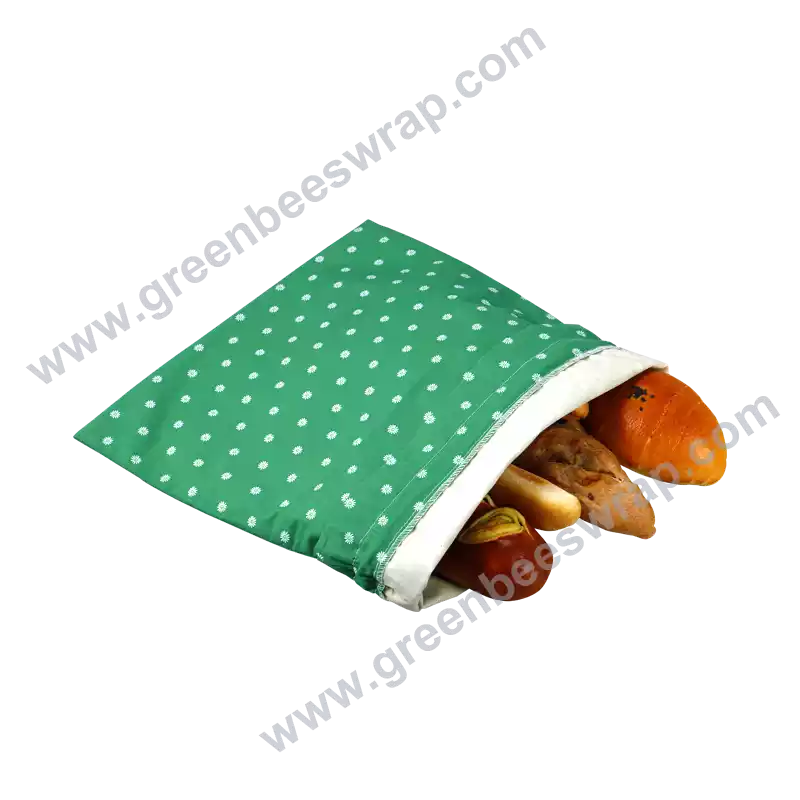
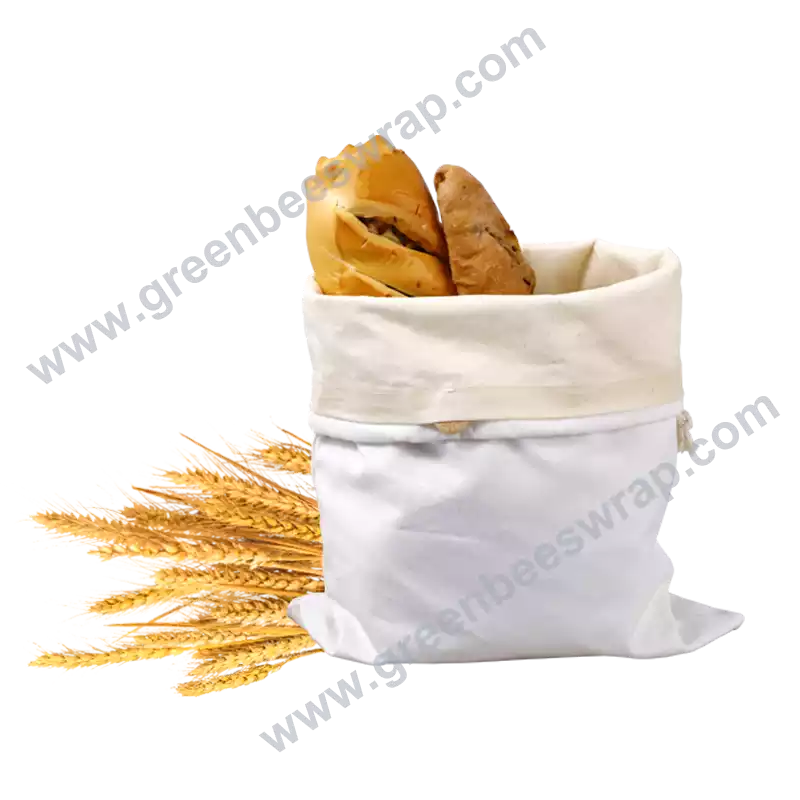
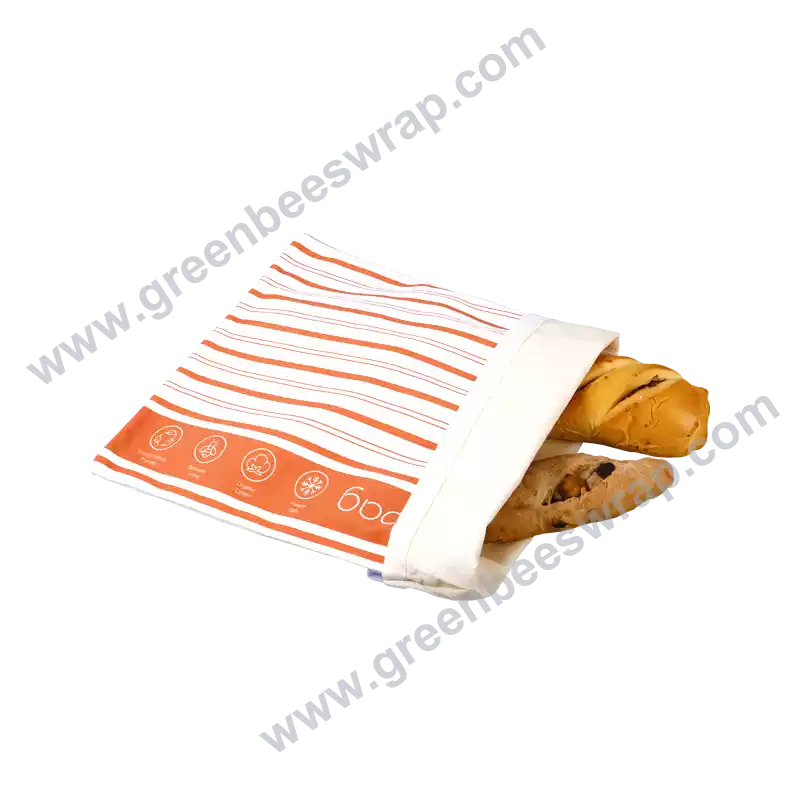
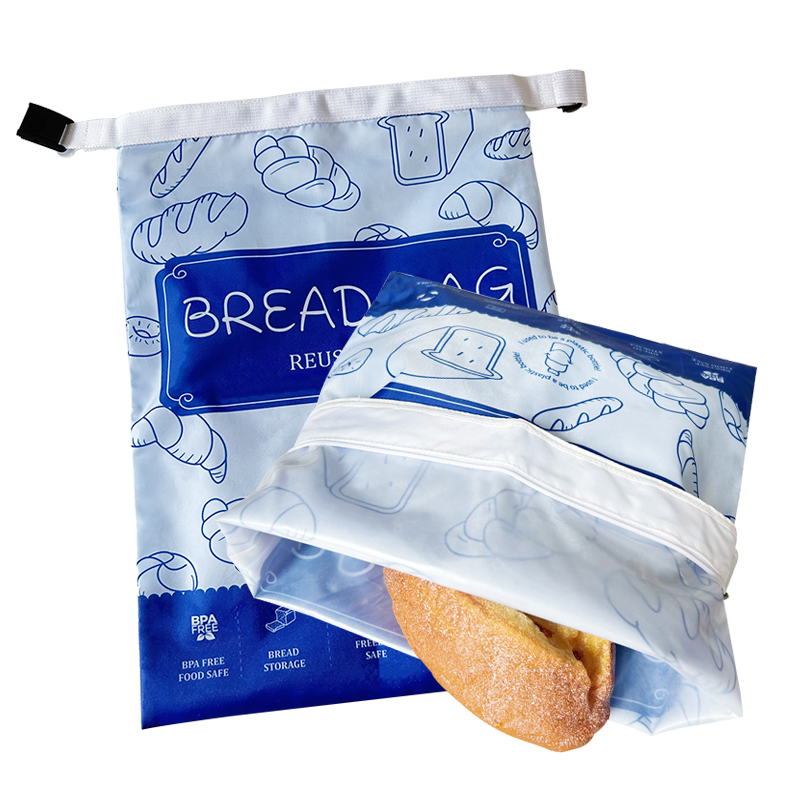
- Cotton bread bag: Balances airflow and moisture—3-4 days.
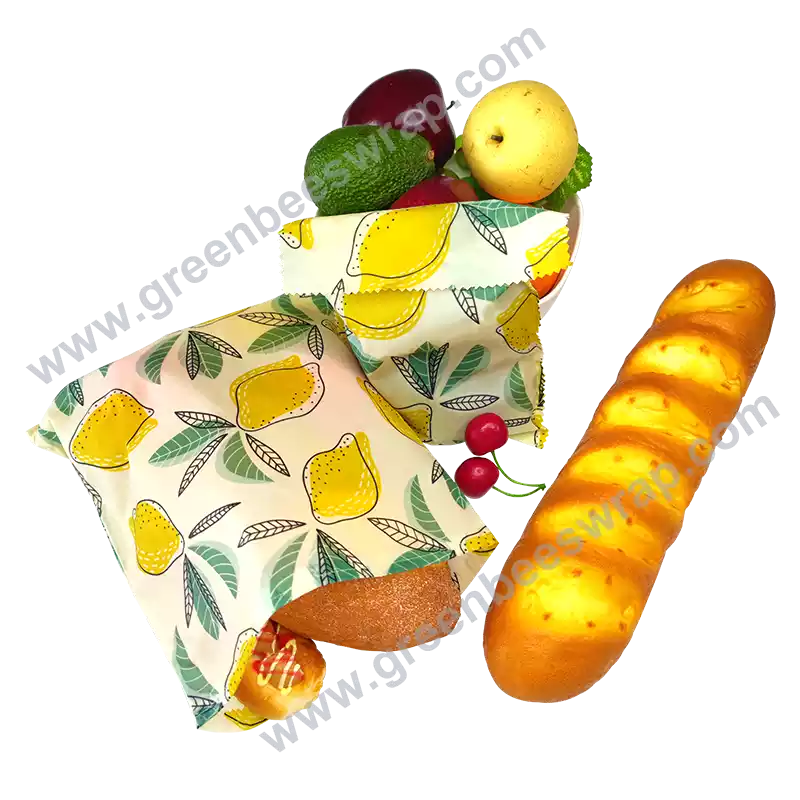
- Beeswax bread bag: Creates a semi-breathable micro-environment that holds ideal humidity, cuts condensation, and slows drying—4-6 days, great for sourdough, whole wheat, and artisan loaves.
- Bread box: Classic option—4-5 days.
Preservation Ability by Storage Method
| Storage Method | Freshness Time |
|---|---|
| Open storage | 1-2 days |
| Paper bag | 2-3 days |
| Cotton bag | 3-4 days |
| Bread box | 4-5 days |
| Beeswax bag | 4-6 days |
| Freezing | 1-3 months |
Does the fridge really help bread last longer?
Many reach for the fridge. It’s usually not the best idea.
Why refrigeration makes bread hard faster?
Fridge temps (around 4°C) hit the sweet spot for rapid starch retrogradation (0°C-10°C). Bread stales quicker, loses flavor, and dries out.
Professional bakers generally agree: skip the fridge for short-term storage.
What’s the best method for long-term storage?
Freezing. At -18°C or below, microbes nearly stop and staling slows dramatically, preserving quality best.
How long does frozen bread last?
Generally:
| Bread Type | Freezer Time |
|---|---|
| White bread | 1-2 months |
| Whole wheat | About 2 months |
| Sourdough | 2-3 months |
| Baguette | About 1 month |
Best flavor within 30-60 days.
How to freeze bread the right way
- Cool completely.
- Slice ahead for easy portions.
- Use reusable freezer bags to prevent freezer burn.
- Label dates and use older loaves first.
How to know when bread is no longer good
Even with great packaging, homemade bread eventually spoils. If you see any of these, compost it:
- Mold: Any white, green, or black fuzzy spots mean spores have spread. Don’t just cut off the bad part—the invisible mycelium is throughout.
- Off smells: Sharp sour (beyond normal sourdough tang), alcoholic, or musty—bacteria have taken over.
- Rock hard: No mold but stone-hard? It’s safe but heavily staled. Turn it into breadcrumbs—eco-friendly and zero waste!
How to make homemade bread last longer
Follow these tips:
- Cool completely before packaging to avoid condensation.
- Use breathable options like cotton or beeswax bread bags.
- Keep away from direct sunlight (heat speeds mold).
- Freeze after 5 days instead of waiting until it’s hard.
Green Wrap specializes in organic eco-friendly bread bags and understands home bakers’ needs perfectly:
- Retail: Ready stock of organic cotton drawstring bags, beeswax bags, TPU waterproof styles, and more—single purchases let you extend freshness right away.
- OEM Custom: Tailor sizes, colors, logos, and warm messages. Artisan studios and small brands get unique eco-packaging that delights customers.
- Wholesale: Bulk pricing, reliable supply, and “old bag trade-in” deals to promote green living.
We use food-grade organic cotton and test for safety. We’ll recommend the best match for your bread types (soft or crusty) and batch sizes.
Conclusion
There’s no one-size-fits-all answer for homemade bread shelf life—it depends on the recipe, environment, and storage. Most home loaves have peak texture for just 1-4 days at room temp, while sourdough and rye often last 5-10 days thanks to natural acids from fermentation.
Storage effectiveness breakdown:
- Open air: 1-2 days
- Paper bag: 2-3 days
- Cotton bread bag: 3-4 days
- Bread box: 4-5 days
- Beeswax bread bag: 4-6 days
- Freezing: 1-3 months
For frequent bakers, daily use of beeswax bread bags plus freezing for longer storage is the sweet spot—great freshness, eco-friendly, and convenient.
 English
  German
  French
  Spanish
  Italian
  Dutch
Dutch