

Freshly baked artisan bread usually has a crispy crust, a moist and elastic crumb, and a distinct fermented and baked aroma. But these qualities start changing right after the bread comes out of the oven.
As storage time increases, moisture migration and starch retrogradation happen inside the bread. The crust may absorb moisture and soften, while the crumb can gradually harden. If mold spores contaminate the bread in a warm, humid environment, mold can develop.
So, the goal of storing artisan bread isn’t to keep it in that perfect “just-baked” state forever. It’s about balancing these needs:
- Preserve the crust texture as much as possible;
- Reduce moisture loss from the crumb;
- Slow down staling;
- Avoid condensation inside the packaging;
- Lower the risk of cross-contamination and mold;
- Cut down on food waste when you can’t finish it quickly.
For most artisan breads without perishable fillings, keep this basic rule in mind:
Eat it the same day or the next day using short-term room-temperature storage. If you know you won’t finish it soon, portion and freeze it while it’s still fresh.
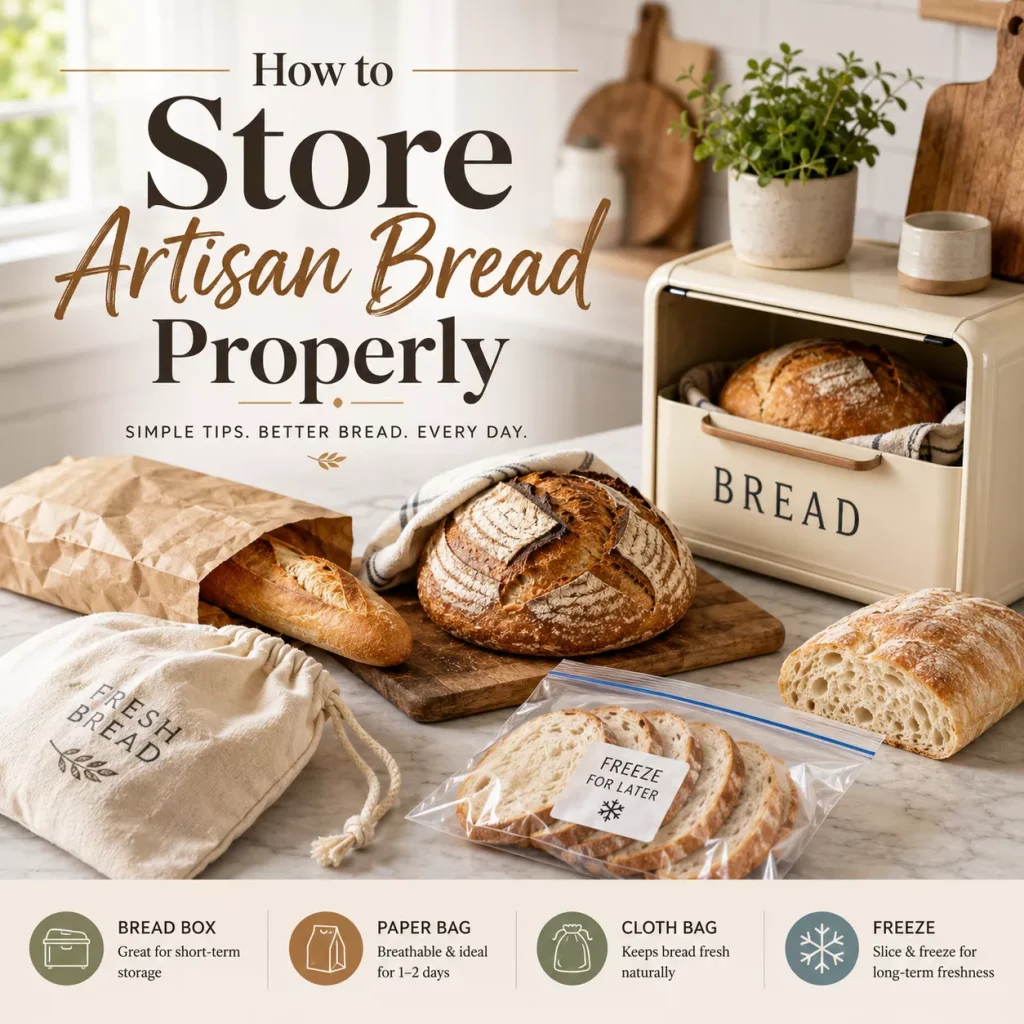
How Should Different Artisan Breads Be Stored?
| Bread Type or Usage Scenario | Recommended Storage Method |
|---|---|
| Baguettes and ciabatta for same-day eating | Paper bags, cotton bread bags, or short-term open placement |
| Crusty European breads for next-day eating | Bread boxes with good ventilation, paper bags, or cotton bags |
| Already sliced sourdough bread | Focus on protecting the cut surface—place cut-side down or wrap lightly |
| Artisan toast, brioche, and dinner rolls | Original packaging or food-grade bags with strong moisture retention |
| Very dry indoor air | Extra protection for cut surfaces to minimize moisture loss |
| Hot and humid environment | Shorten room-temperature storage and avoid condensation in packaging |
| Can’t finish in the short term | Slice or portion, then use moisture-proof packaging for freezing |
| Visible mold spots appear | Discard the whole loaf or package—don’t just cut off the moldy part |
No single packaging perfectly keeps both a crispy crust and moist crumb. Breathable options let vapor escape (good for crust but speeds up drying the crumb), while moisture-retaining ones protect the crumb but soften the crust.
What Is Artisan Bread?
“Artisan bread” usually describes breads that focus on fermentation, shaping, baking techniques, and great flavor. It’s not one single uniform recipe category.
Common examples include:
- Sourdough bread;
- Baguettes;
- Ciabatta;
- Country bread;
- Rye bread;
- Focaccia;
- Artisan toast and other small-batch baked goods.
Some use just flour, water, salt, and yeast or natural starter. Others add whole grains, seeds, nuts, fats, sugar, dairy, or food additives.
Why Does Artisan Bread Lose Freshness?
Bread quality drops due to three main changes.
1. Staling and Hardening
Bread doesn’t harden only from moisture evaporation. During storage, starch molecules rearrange. Amylopectin retrogradation, moisture redistribution, and starch-protein interactions make the crumb firmer.
Even sealed bread with stable weight can keep staling. Signs include:
- Less elastic crumb;
- Tighter texture;
- Dry, hard, or powdery feel when chewing;
- Weaker aroma and flavor.
Packaging slows moisture loss but doesn’t stop retrogradation.
2. Loss of Crust Crispness
In crusty breads, the crumb is usually moister than the crust. Over time, internal moisture moves toward the drier crust.
Moisture-retaining packaging traps that moisture, so the crust absorbs it and loses its dry, crispy structure. Plastic bags often soften baguette or sourdough crusts mainly through this process.
Softening is a quality issue, not spoilage or unsafety.
3. Mold Growth
After baking, bread can pick up mold spores during cooling, slicing, packaging, transport, or home use. Packaging doesn’t kill spores—it only affects moisture, air exchange, and recontamination risks.
High water activity, warmth, humid packaging, and post-bake contamination drive mold. Studies show air, slicers, and packaging are key contamination sources.

How to Store Artisan Bread Properly?
Step 1: Let the Bread Cool Completely Before Packaging
Fresh bread is still warm inside and releases steam.
Bagging it too soon in plastic, beeswax, or sealed containers can cause warm moist air to hit cooler walls and form condensation.
This leads to:
- Quick crust softening;
- Sticky wet surfaces;
- Fog or droplets inside packaging;
- Better conditions for existing mold spores.
Don’t rely on strict rules like “cool small loaves one hour, large ones three hours.” Size, shape, bake level, room temp, and airflow all matter.
Before packaging, check that:
- The center feels cool;
- The bottom has cooled off;
- There’s no steam on the surface;
- No quick fogging in the bag;
- Cut surfaces aren’t unusually sticky.
A clean cooling rack helps air reach the bottom and prevents trapped moisture.
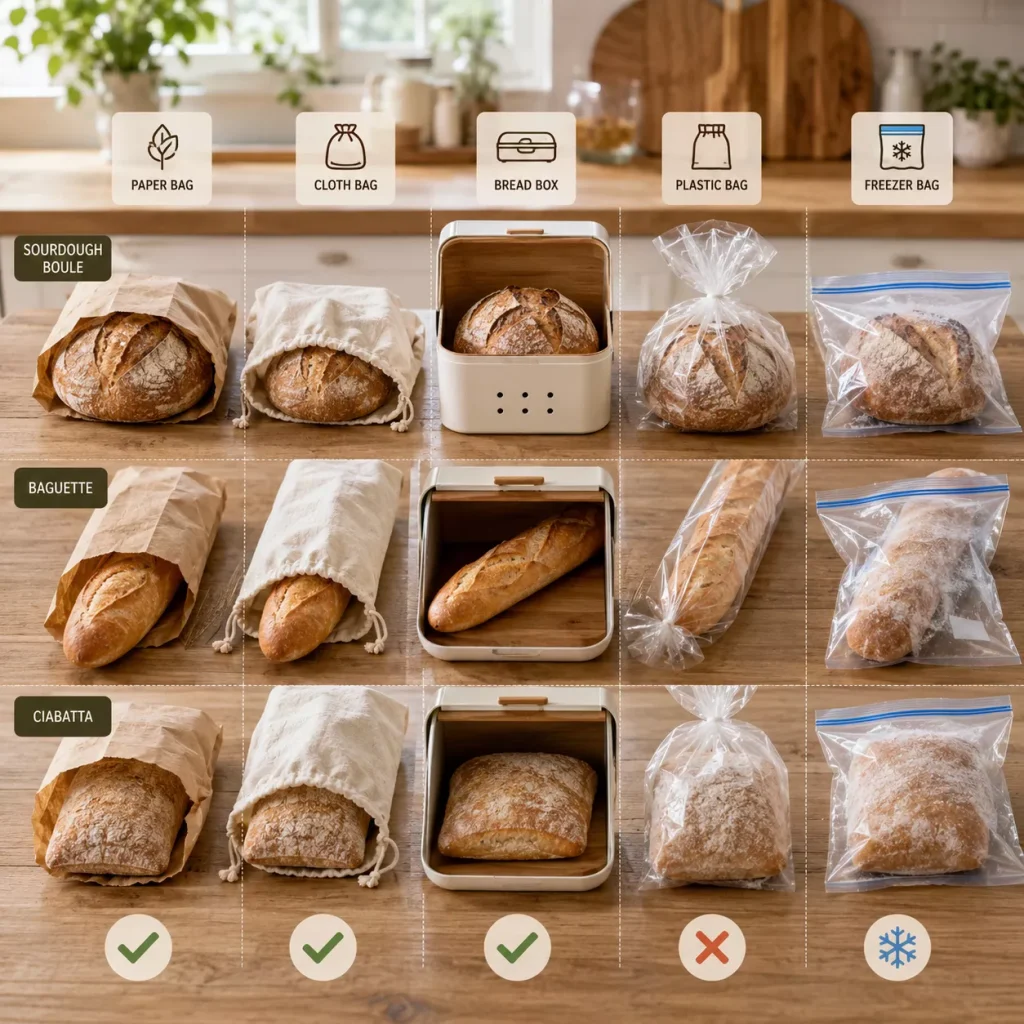
Step 2: Choose Packaging Based on Bread Type
Baguettes, Ciabatta, and Other Crusty Breads
Crisp dry crust is key. For same-day use:
- Paper bags;
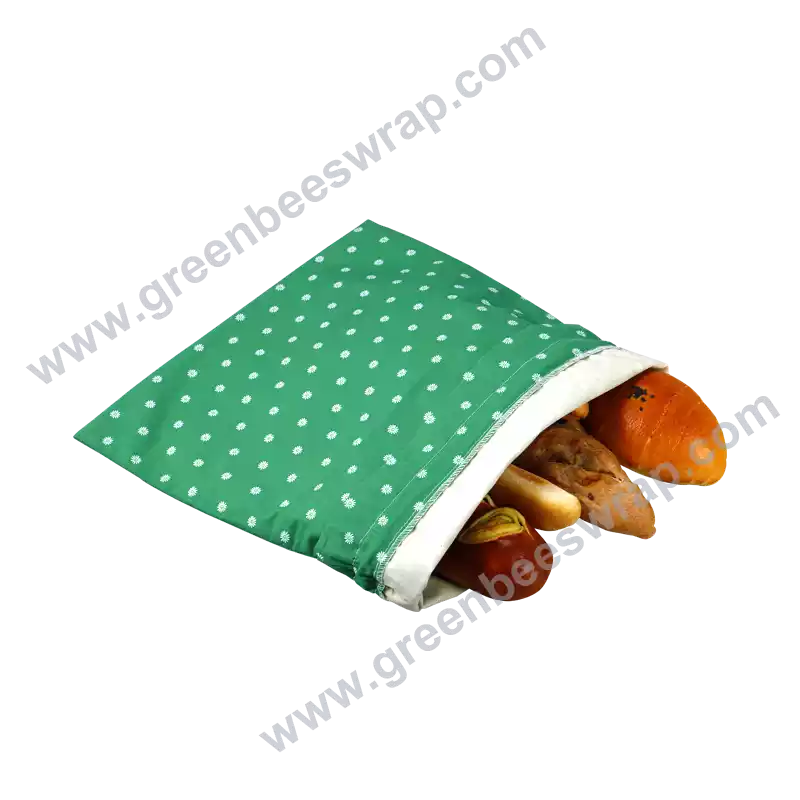
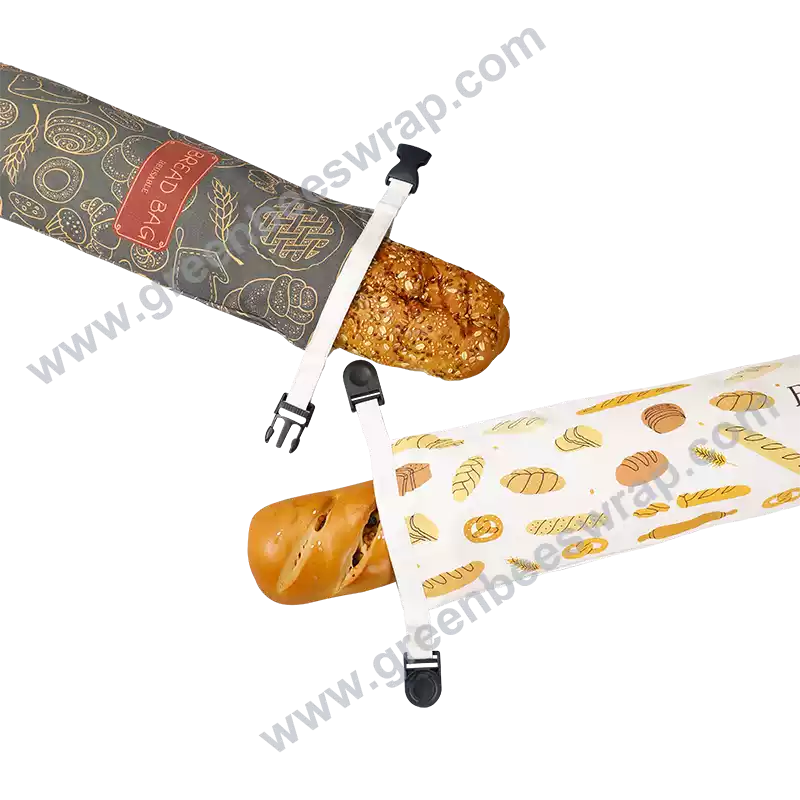
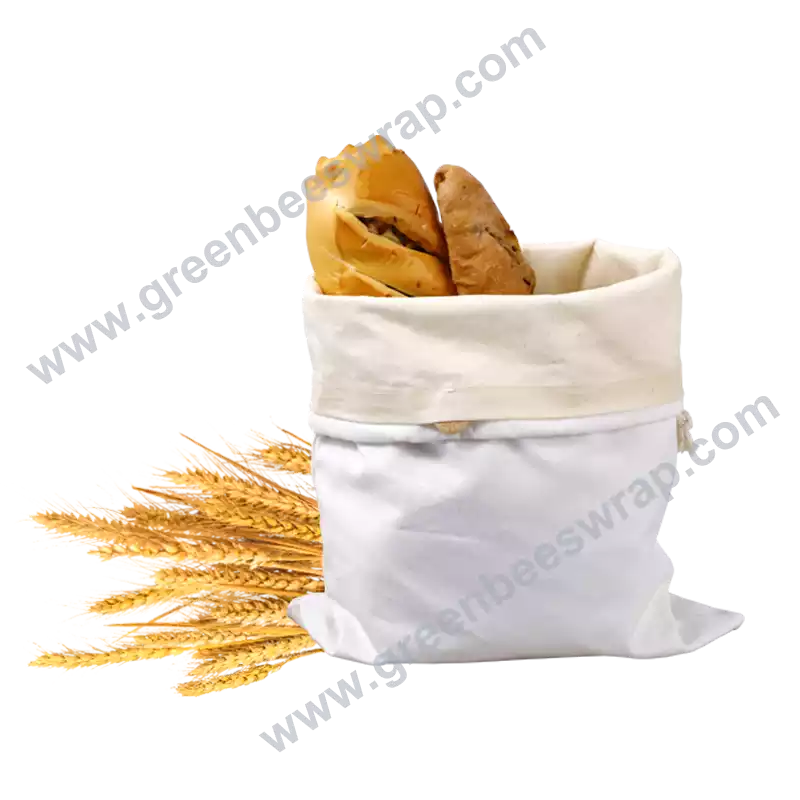
- Clean dry cotton or linen bread bags;
- Well-ventilated bread boxes;
- Short open time in clean conditions.
These let vapor escape to keep crusts crisp but let the crumb dry out. Best for short-term, not days at room temp.
Don’t expect baguettes to stay just-baked overnight. Freeze portions early if needed—it’s often better than room temp.
Sourdough and Country Breads
Thick crusts on whole loaves offer some protection. For short storage:
- Ventilated bread boxes;
- Paper bags;
- Clean cloth bags;
- Cut-surface protection.
For sliced loaves, place cut-side down on a clean dry board or plate in a pest-free spot for short periods. This isn’t a long-term fix.
Artisan Toast, Brioche, and Dinner Rolls
These prioritize softness over crust. Use:
- Clean original packaging;
- Food-grade sealed bags;
- Reusable moisture-retaining containers.
Paper or cloth bags let too much vapor through and can dry edges fast.
Breads with Perishable Fillings
Follow bakery instructions, labels, and filling-specific refrigeration rules for anything with cream, custard, meat, eggs, or soft cheese.
Don’t use plain unfilled bread methods here.
What’s the Difference Between Paper Bags, Cloth Bags, Beeswax Bags, and Plastic Bags?
Paper Bags
They let vapor escape quickly—great for short-term carry and crusty breads like baguettes.
Pros:
- Keeps crust dry;
- Low condensation risk;
- Easy to use.
Cons:
- Limited moisture hold;
- Faster drying of cuts and crumb;
- Not for long storage.
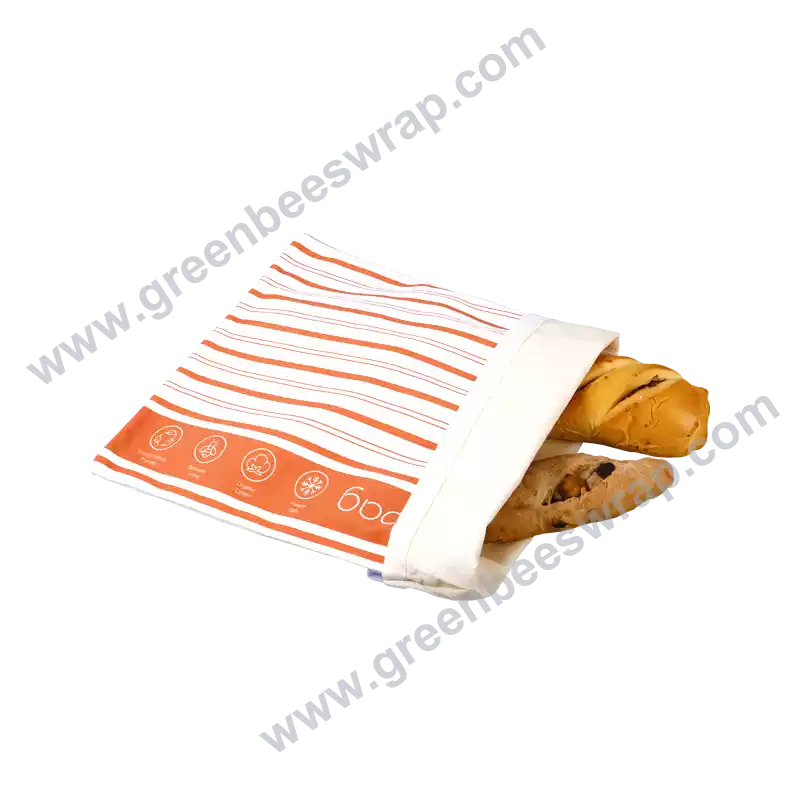
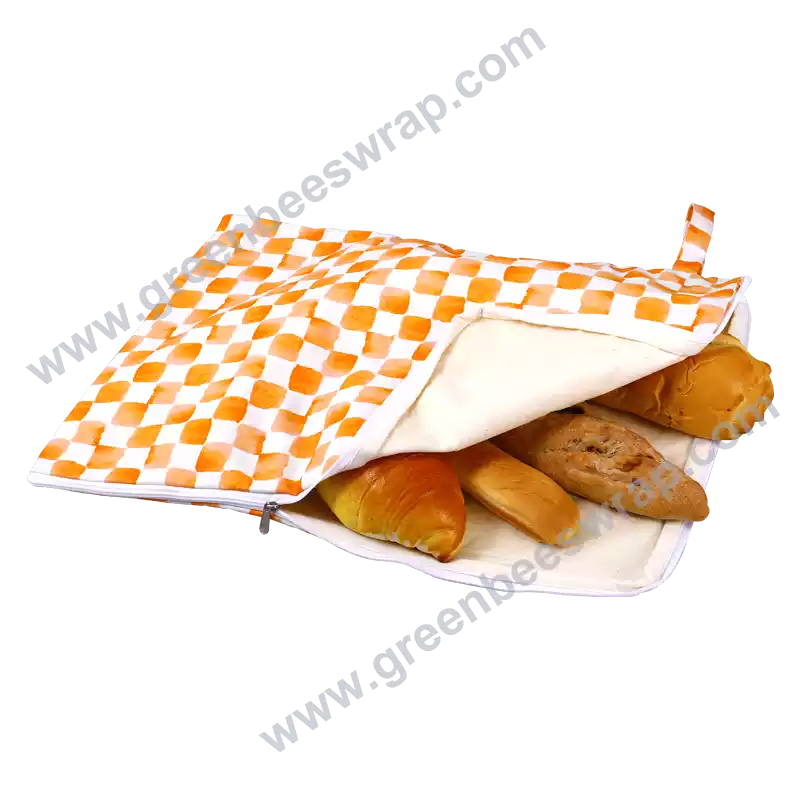
Cotton and Linen Bags
Fabric bags breathe more than plastic—good for short-term whole crusty loaves.
Pros:
- Lightweight and foldable;
- Reusable;
- Less droplet buildup;
- Good for carrying.
Cons:
- No active humidity control;
- Can dry bread fast in AC or dry air;
- Cut surfaces lose moisture without protection;
- Need regular washing and full drying.
Differences depend on weave density, thickness, lining, and closures—not just the fiber.
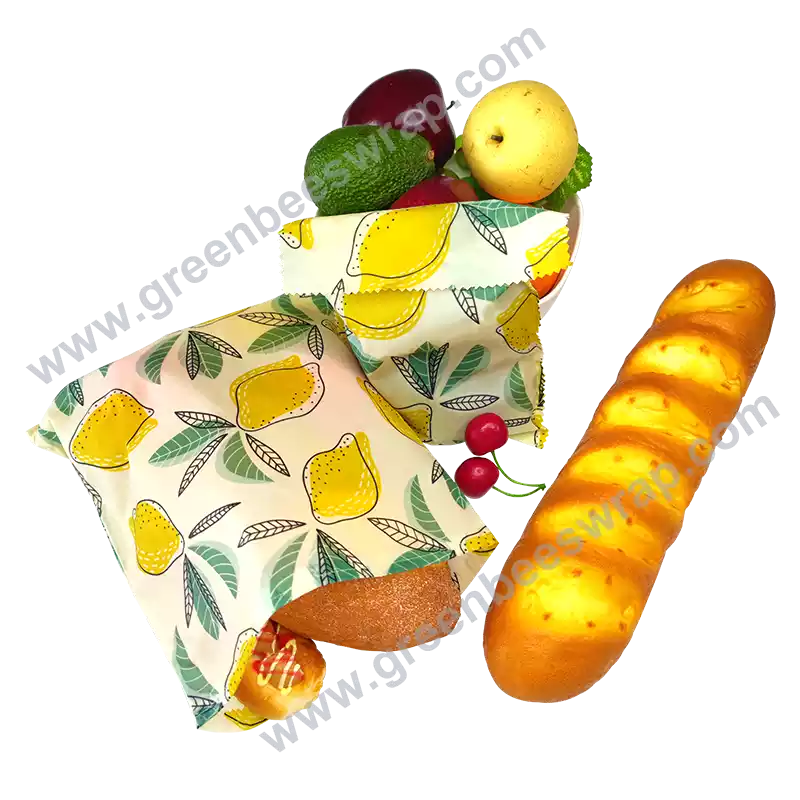
Beeswax Bread Bags
Made with fabric, beeswax, and sometimes oils or resins. The coating slows vapor loss better than plain cloth, helping retain moisture.
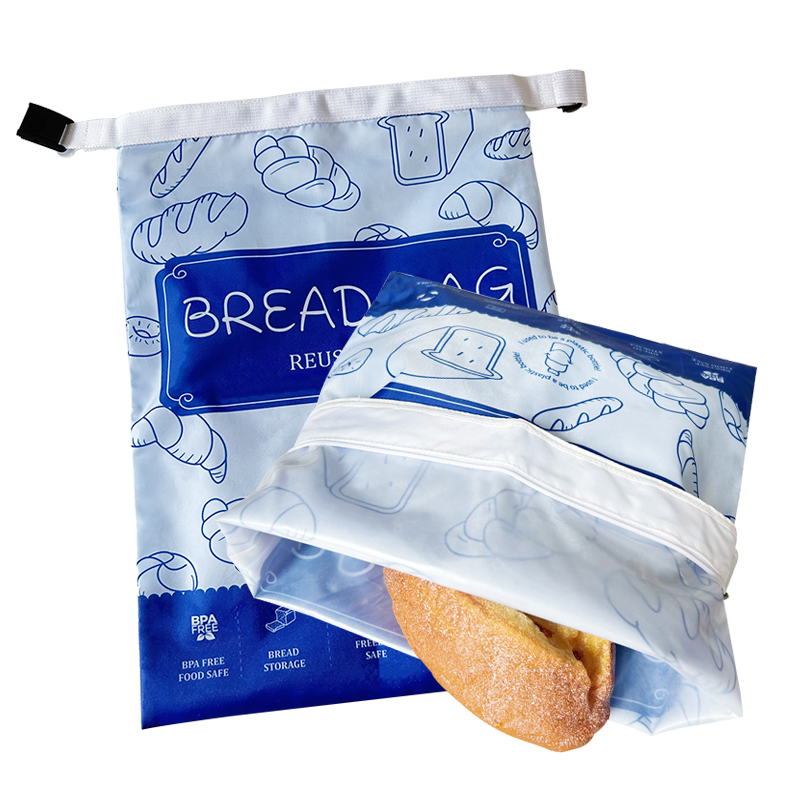
Plastic Bags
Food-grade plastic mainly cuts moisture loss.
Best for:
- Soft breads like toast and rolls;
- Protecting sliced crumb;
- Very dry air;
- Pre-freeze moisture barrier.
They don’t automatically cause faster mold—issues arise from warm bagging, condensation, contamination, or long storage. For crusty breads, the main issue is usually softened crusts, not immediate mold.
Are Bread Boxes Good for Artisan Bread?
Yes for short-term whole sourdough, country, or crusty European breads—but they’re not smart humidity controllers.
They offer:
- Dedicated space;
- Light and dust protection;
- Less strong airflow;
- Basic external shielding.
Results depend on vents, size, bread quantity, room conditions, opening frequency, and cleanliness.
Regularly:
- Remove crumbs;
- Clean corners, tracks, and seams;
- Dry thoroughly;
- Avoid mixing fresh and old bread;
- Never add warm loaves.
Bread Box vs. Bread Bag: Which Is Better for Storing Bread?
Step 3: Decide on Freezing Based on Eating Timeline
Don’t follow a rigid schedule like cloth bags days 1-2, beeswax days 3-5, then freeze.
By day 5, bread may already be stale or have hidden microbial growth.
Better rule:
Freeze as soon as you realize you won’t finish it while it’s still great.
Freezing locks in the current state—it won’t fix already stale, off-smelling, or moldy bread.
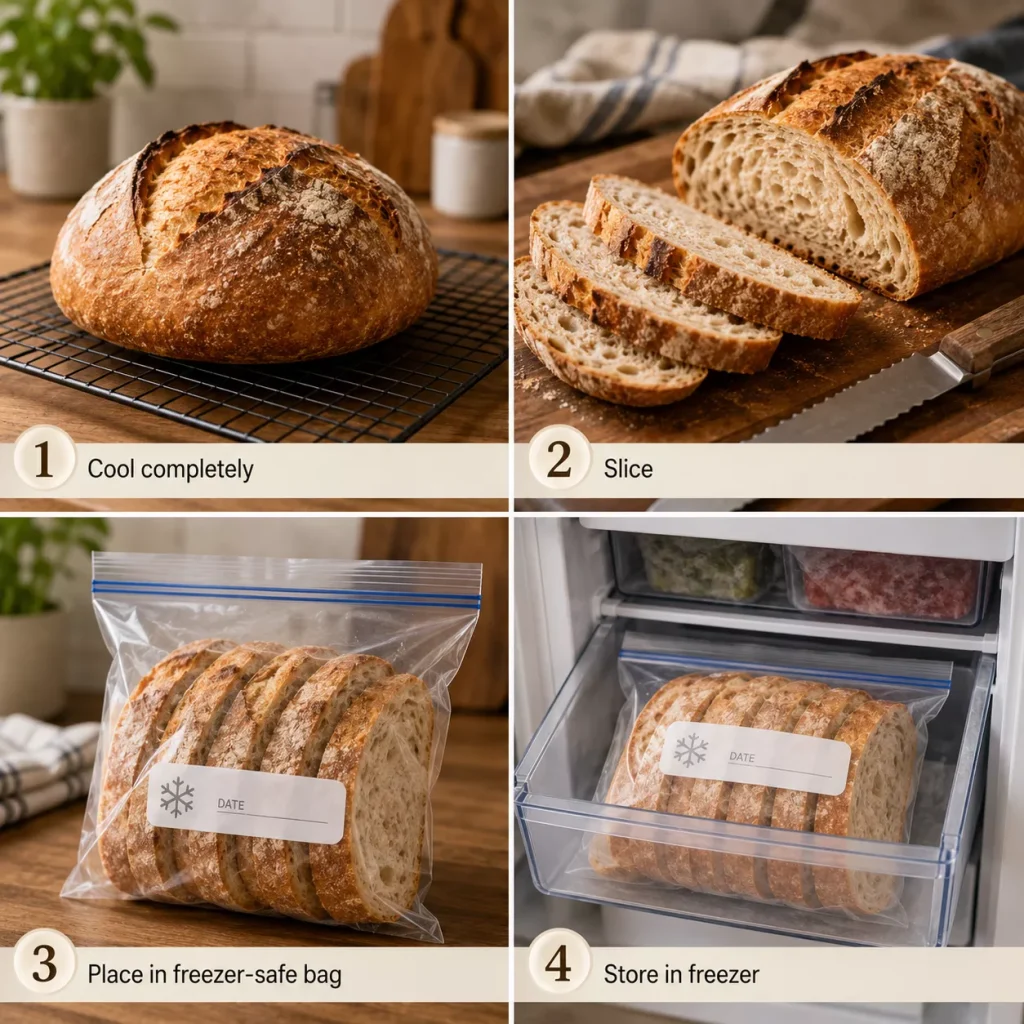
How to Freeze Artisan Bread Properly?
1. Cool Completely
Warm bread creates vapor and ice crystals in packaging and hurts quality stability.
2. Portion by Serving Size
Options:
- Whole;
- Halves;
- Segments;
- Sliced.
Slicing makes easy grab-and-go and avoids repeated thawing.
3. Use Proper Freezer Moisture-Proof Packaging
Try:
- Freezer-safe sealed bags;
- Plastic wrap plus freezer bags;
- Sealed freezer containers;
- Reusable bread bags labeled for freezing.
Paper and cloth alone aren’t enough for long-term protection.
Press out extra air and seal well. Poor seals cause drying, freezer burn, and fridge odors.
4. Label Dates
Mark type and date for first-in-first-out. Freezing safety and quality aren’t the same—cold stops most microbes but aroma, crust, and texture decline anyway. USDA notes freezing inactivates (but doesn’t always kill) microbes; they can reactivate after thawing.
Keep freezers at −18°C or below with minimal temp swings.
Should You Refrigerate Ordinary Artisan Bread?
For plain breads without perishable fillings, fridge storage isn’t ideal for texture.
Cold slows some mold but speeds starch changes that harden crumb. Studies link ~4°C storage to more ordered starch and faster staling.
General approach:
- Short term: room temp;
- Long term: freeze;
- Hot/humid with no freezing option: fridge as temporary compromise;
- Perishable fillings: refrigerate per safety guidelines.
Always seal to limit drying and fridge odors.
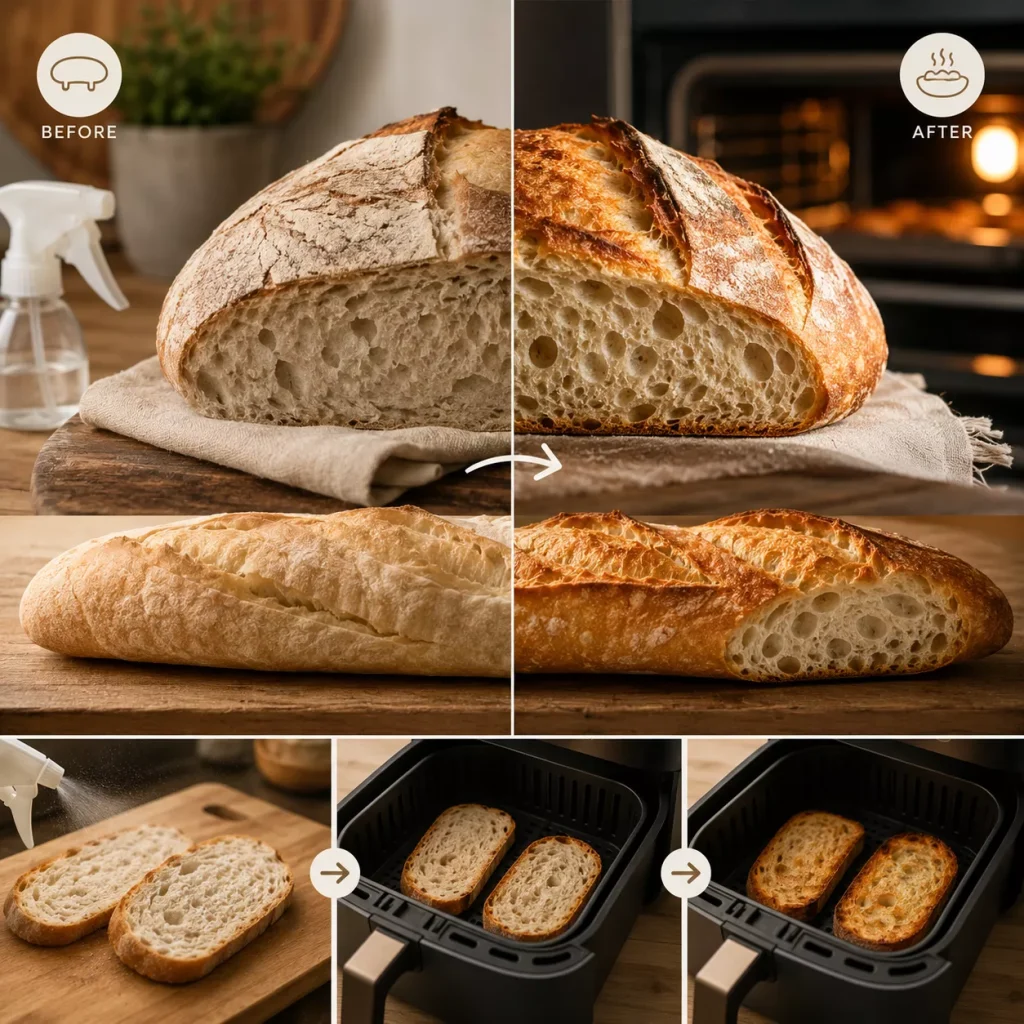
How to Revive Stale Hardened Artisan Bread?
Heating can temporarily improve texture but won’t make it fresh forever.
First confirm no mold, bad smells, slime, or other spoilage.
Whole or Large Pieces
- Preheat oven to ~180°C;
- Lightly mist very dry crust with water if needed;
- Reheat in oven;
- Check small pieces after ~5 minutes;
- Give larger ones more time;
- Remove when crust crisps and interior is warm.
Don’t stick to exact 8-12 minutes—adjust for size, starting temp, moisture, and oven.
Misting isn’t always necessary. Skip if crust is already soft or bread is moist.
Sliced Bread
Heat directly in:
- Toaster;
- Oven;
- Air fryer;
- Clean skillet.
Frozen slices can go straight in—no full thaw needed.
Can You Eat Moldy Artisan Bread?
No.
Bread is soft and porous. Visible spots are just the surface—roots (hyphae) spread invisibly inside or to nearby slices.
USDA says throw out all moldy bread and baked goods. Don’t cut off spots or sniff closely.
If mold appears:
- Discard the whole loaf or all slices in the package;
- Don’t try baking or microwaving to “save” it;
- Clean knives, boards, and containers;
- Clear crumbs from boxes and cabinets;
- Check nearby foods for contact.
Color doesn’t indicate safety—white, green, blue, gray, or black, you can’t tell by looks.
Trade-offs of Different Storage Methods
| Storage Method | Main Advantages | Main Limitations | More Suitable Scenarios |
|---|---|---|---|
| Short-term uncovered | Crust stays drier | Fast drying on cuts/crumb; higher contamination risk | Just cooled and eaten soon |
| Paper bag | Good vapor escape | Limited moisture hold | Same-day baguettes and crusty breads |
| Cotton or linen bag | Lightweight, reusable | Faster hardening in dry air | Short-term whole crusty breads |
| Beeswax bag | Better moisture retention than plain cloth | Varies by product; mold benefits not fully proven | Short-term reusable preference |
| Plastic bag | Strong moisture barrier | Crusts soften easily; condensation if warm | Soft breads, cut surfaces, freezing |
| Bread box | Light/dust protection and storage | Ventilation/humidity depends on design and conditions | Whole sourdough and country breads |
| Freezing | Best for longer periods | Needs good packaging and proper reheating | When you can’t finish soon |
Custom bread bags from Green Wrap
As a professional sustainable packaging maker, Green Wrap offers custom and wholesale reusable bread bags. Whether you’re a bakery, online brand, or local store, we provide various sustainable options in different materials and sizes, with Private Label support. Contact us for free samples!
Common Storage Mistakes
Mistake 1: Sealing Warm Bread Right Away
This causes fog and condensation, softening the crust fast.
Mistake 2: Using Breathable Cloth Bags for Everything
Good for some crusty breads, but toast or large cuts dry out quickly.
Mistake 3: Assuming Plastic Bags Always Cause Mold
They’re for moisture retention. Problems usually come from warm bagging, condensation, contamination, or long storage.
Mistake 4: Believing Beeswax Bags Are Always Best
Performance varies a lot; no solid proof they’re universally superior.
Mistake 5: Freezing Only After It’s Obviously Stale
Freeze while fresh—not as a fix for old bread.
Mistake 6: Reusing Packaging with Crumbs or Dampness
Dirty bags, boxes, or tools raise recontamination risks.
Mistake 7: Treating Texture Loss as a Safety Issue
Soft crust or hard crumb is quality change. Visible mold, bad smells, or slime means stop eating.
Best Storage Solutions Summary
No one packaging fits every bread, climate, or timeframe.
A smarter approach:
- Same day: Use paper bags, clean cloth, or brief open time for crusty breads like baguettes and ciabatta.
- Next day: Ventilated boxes, paper, or cloth for sourdough/country breads, protecting sliced areas.
- Soft breads: Original packs or sealed food-grade bags to hold moisture.
- Won’t finish soon: Cool fully, slice/portion, and freeze in moisture-proof packaging.
- Revive texture: Check for no mold/spoilage, then briefly reheat in oven, toaster, or air fryer.
In the end, great storage isn’t about the perfect bag—it’s these basics:
Cool the bread fully, pick packaging by type, keep everything clean and dry, and freeze early if you won’t finish it.
These tips won’t keep bread forever fresh, but they’ll better manage moisture, texture, and risks while cutting waste.
 English
  German
  French
  Spanish
  Italian
  Dutch
Dutch