

With sustainable bread packaging and eco-friendly kitchen products becoming more popular, linen bread bags and cotton bread bags have emerged as strong alternatives to plastic.
Many consumers, home bakers, and bakery owners wonder: What’s the real difference between linen bread bags and cotton bread bags?
They both use natural fibers, are reusable, and work well for bread storage. But they differ in breathability, moisture management, durability, preservation performance, and market positioning.
If you’re picking the right bag or developing private label bread bags, this guide covers the pros and cons to help you decide.
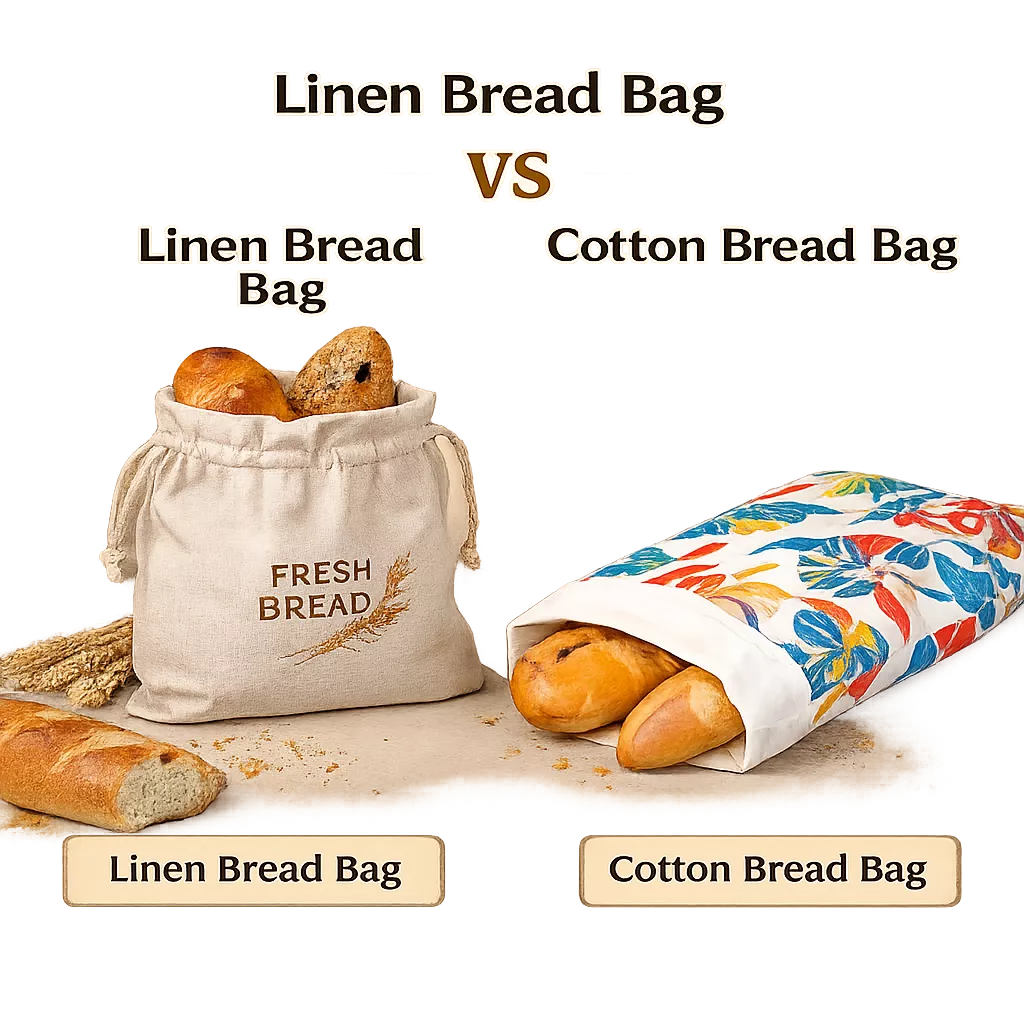
What Is a Linen Bread Bag?
Linen bread bags are made from flax fiber—one of the oldest natural fibers, sourced from the flax plant.
Key traits:
- Natural breathability
- High strength
- Excellent moisture absorption
- Good antibacterial properties
- Long-lasting
They’re especially common in Europe, where many traditional French and German bakeries still use linen bags for baguettes and rustic breads.
What Is a Cotton Bread Bag?
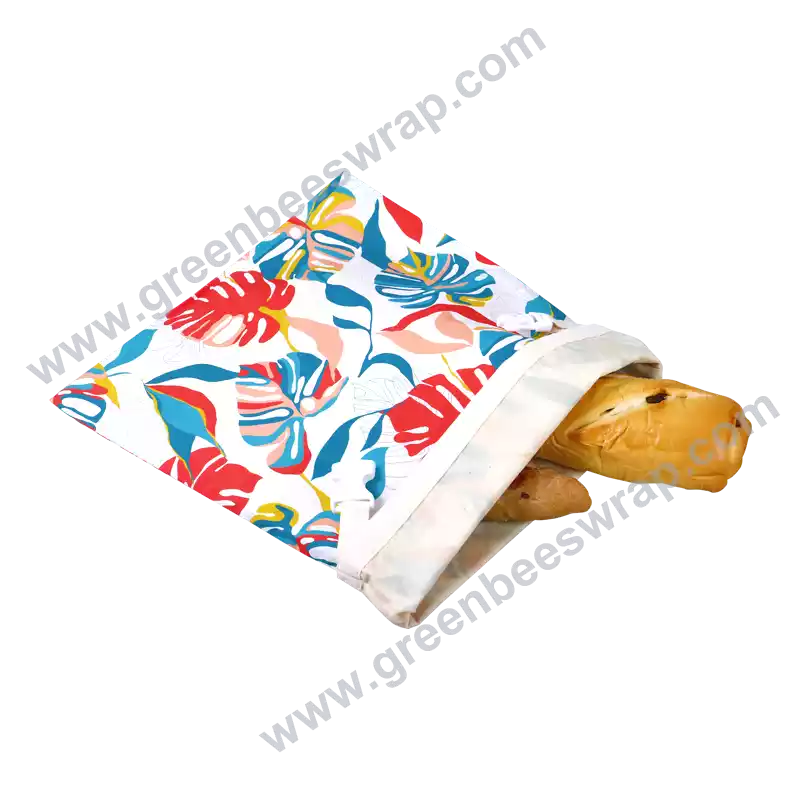
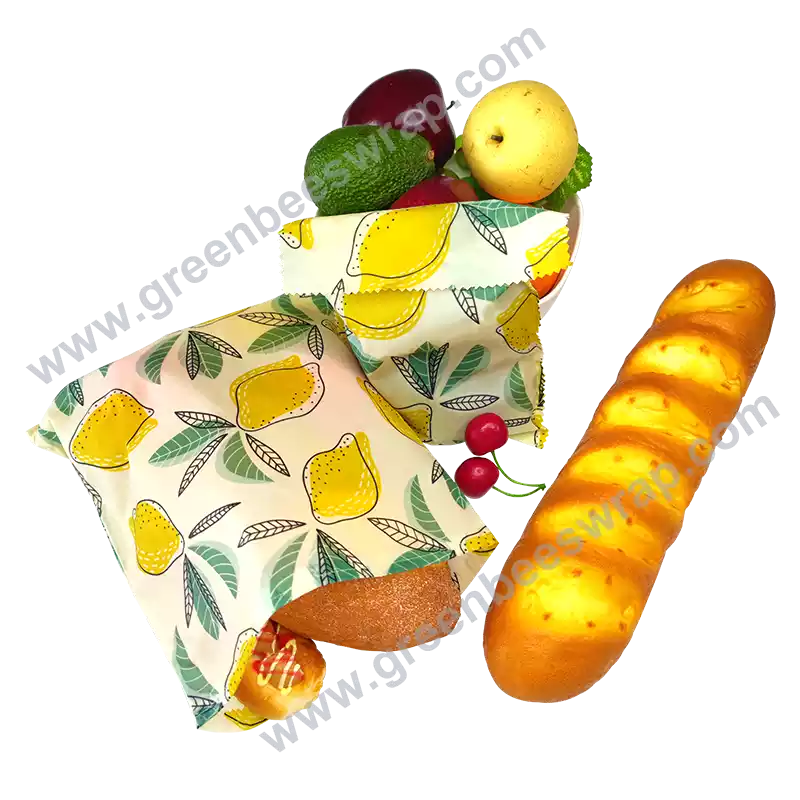
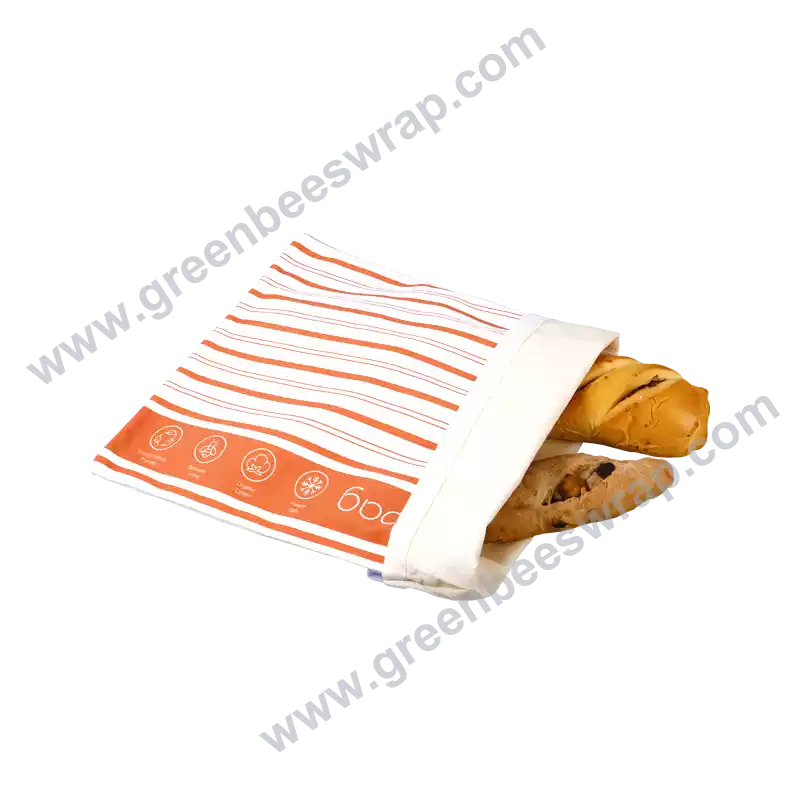
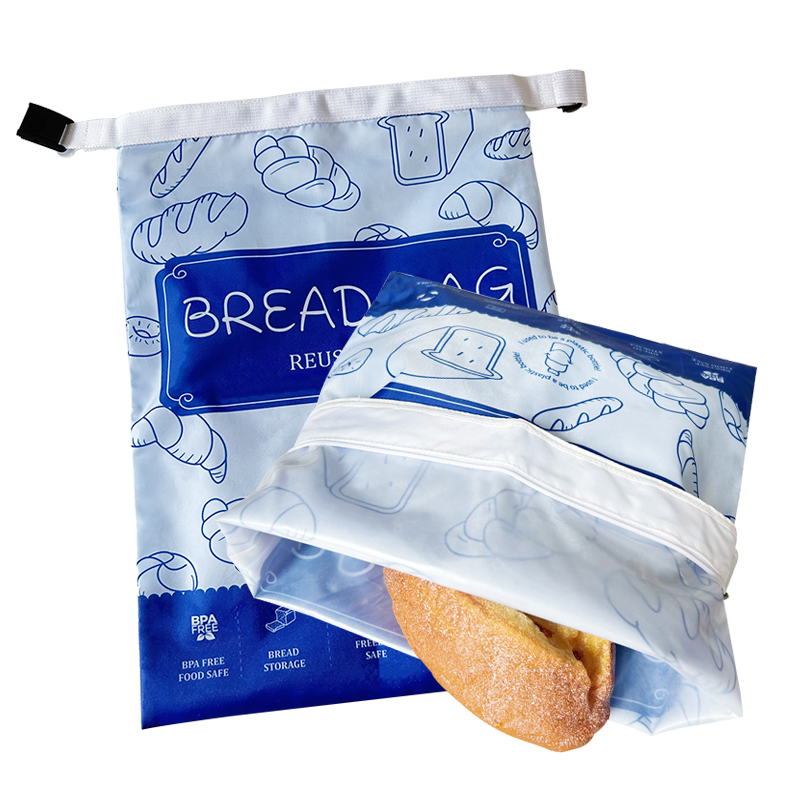
Cotton bread bags are made from natural cotton fibers, including 100% pure cotton, organic cotton, and recycled cotton.
Features:
- Soft and comfortable
- More affordable
- Easy to print on
- Easy to clean
- Widely used
Most reusable bread bags worldwide are made from cotton.
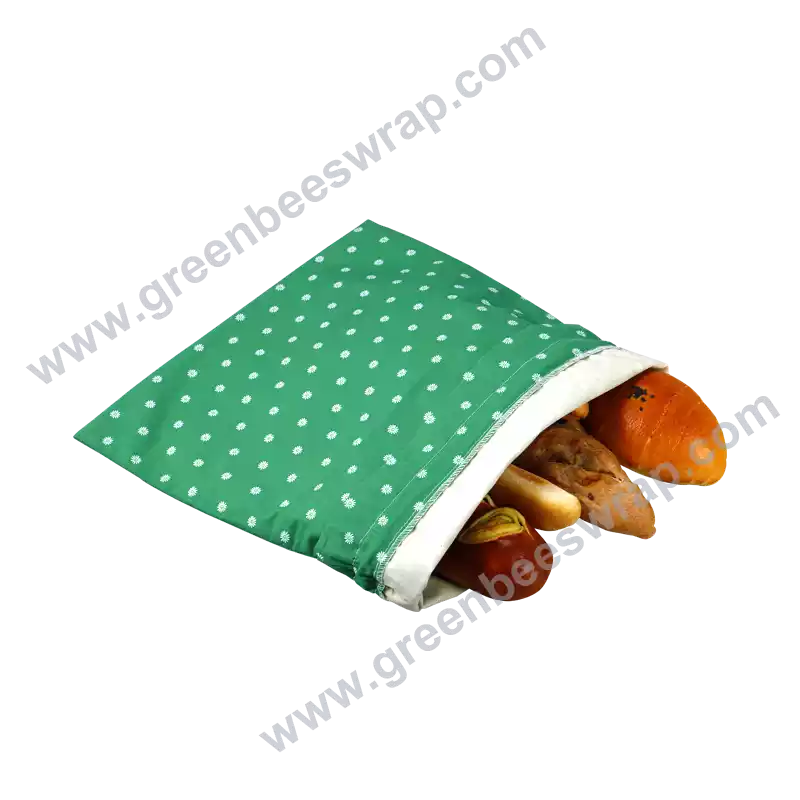
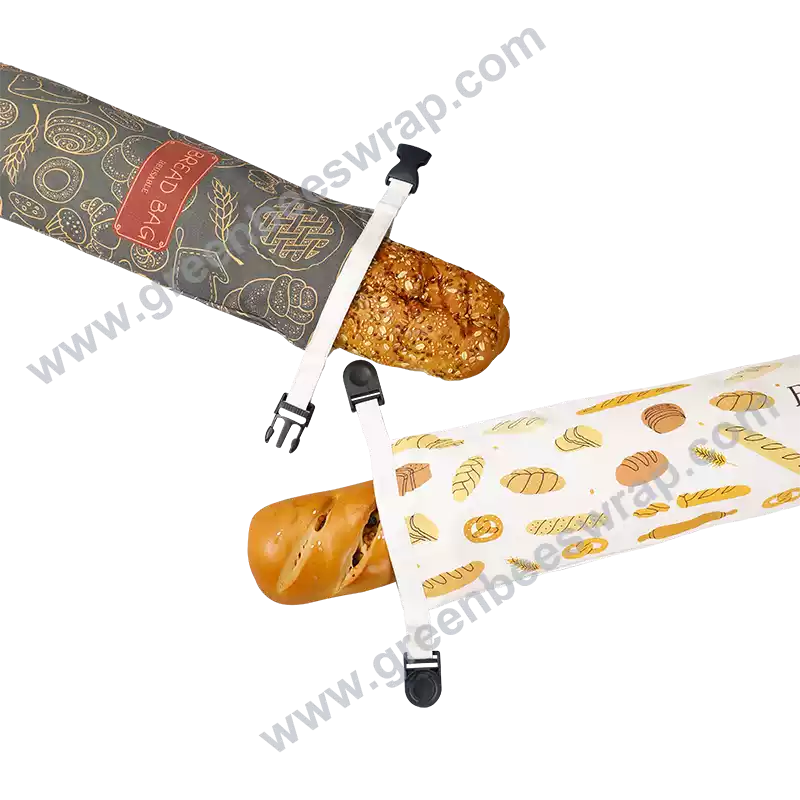
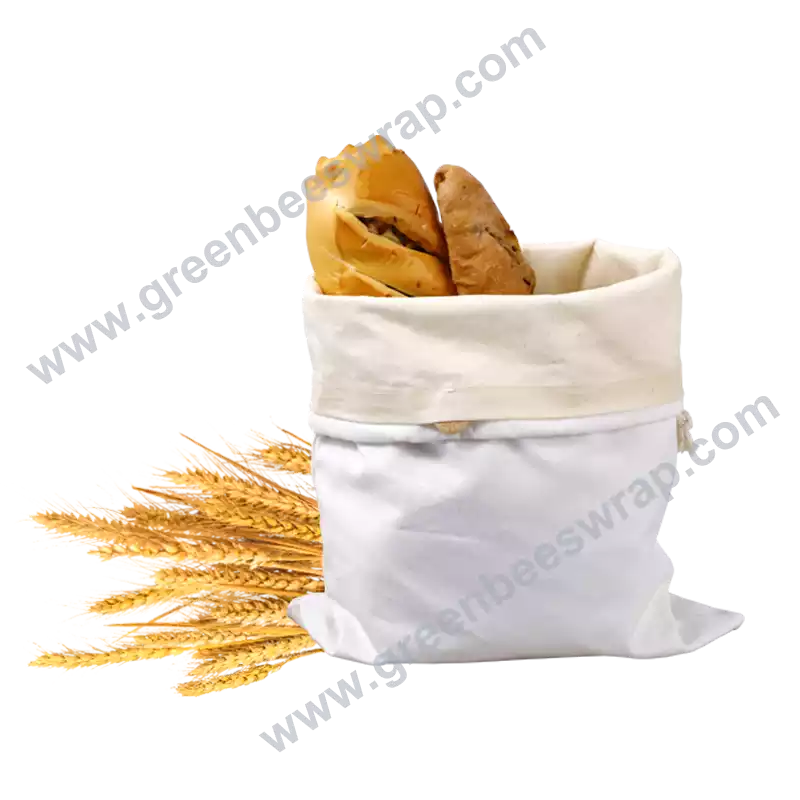
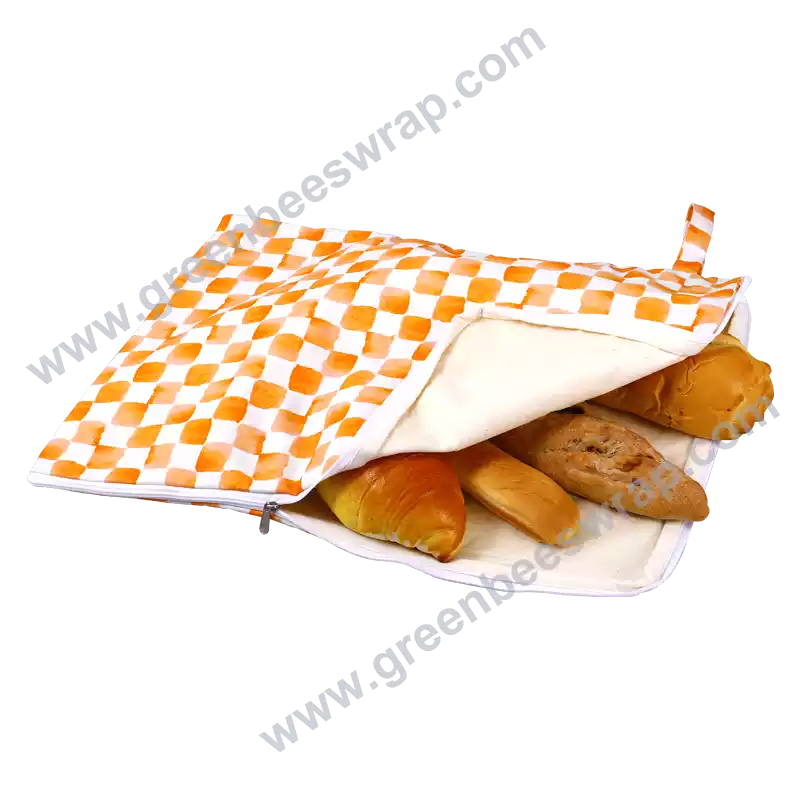
Material Differences
- Linen bread bags use flax plant fibers that are naturally strong and smooth with unique “breathing” and moisture-regulating abilities.
- Cotton bread bags use soft, skin-friendly organic cotton or blends with good breathability—the most common natural fabric choice.
Both are food-grade, non-toxic, BPA-free, and biodegradable—much better than plastic.
Essential Differences Between Linen and Cotton
Though both are natural plant fibers, their structures differ significantly, affecting bread storage results.
| Attribute | Linen | Cotton |
|---|---|---|
| Source | Flax plant stems | Cotton bolls |
| Fiber Length | Long | Short |
| Strength | Very high | Medium |
| Moisture Absorption | Extremely high | High |
| Breathability | Excellent | Good |
| Softness | Firmer | Soft |
| Lifespan | Long | Medium |
| Cost | Higher | Lower |
How Do Their Preservation Principles Differ?
Effective bread storage balances moisture loss, airflow, and humidity.
Linen bread bags have natural hollow fibers for superior air circulation. They quickly release extra moisture, reduce condensation, and lower mold risk—ideal for baguettes and rustic European breads.
Cotton bread bags have denser fibers for slightly better moisture retention. They slow drying and help keep interiors soft—great for sourdough, whole wheat, and sandwich breads.
Which Has Better Breathability?
This is one of the biggest differences.
- Linen bread bags: Linen offers top-tier breathability among natural fibers. It releases moisture fast, keeping crusts dry and perfect for crispy breads. ★★★★★
- Cotton bread bags: Cotton also breathes well, but air exchange is a bit slower than linen. ★★★★☆
Which Keeps Bread Fresh Longer?
Crust preservation: Linen excels at maintaining crisp baguette or European crusts. Internal softness: Cotton does better at keeping tender, moist textures (beeswax bags are another strong option).
Overall Freshness
| Item | Linen Bag | Cotton Bag |
|---|---|---|
| Crust Crispiness | ★★★★★ | ★★★★☆ |
| Internal Softness | ★★★☆☆ | ★★★★☆ |
| Overall Freshness | ★★★★☆ | ★★★★☆ |
The gap is small—they just shine in different areas.
Which Is Less Likely to Cause Mold?
Mold ties closely to humidity.
- Linen bags release moisture faster, lowering mold risk—especially helpful in hot or humid climates.
- Cotton bags retain a bit more humidity, so mold risk is slightly higher than linen but still far below plastic.
Mold Risk Comparison
| Storage Method | Mold Risk |
|---|---|
| Plastic Bag | ★★★★★ |
| Cotton Bag | ★★☆☆☆ |
| Linen Bag | ★☆☆☆☆ |
| Beeswax Bread Bag | ★☆☆☆☆ |
Which Is More Durable?
- Linen bread bags use tough flax fibers that resist wear, stretching, and deformation for longer life.
- Cotton bread bags may thin, pill, or shrink slightly after repeated washing.
Durability Ratings
| Item | Linen | Cotton |
|---|---|---|
| Abrasion Resistance | ★★★★★ | ★★★★☆ |
| Shape Retention | ★★★★★ | ★★★☆☆ |
| Lifespan | ★★★★★ | ★★★★☆ |
Cleaning and Care
- Cotton bread bags are the easiest—machine or hand washable with high user acceptance.
- Linen bread bags wash well but avoid high heat or aggressive spinning to prevent stiffness.
Eco-Friendliness Comparison
Linen uses less water and fewer pesticides while being fully biodegradable—one of the greenest natural fibers. Cotton is biodegradable with good recycling but traditional growing can be water-intensive.
Eco Ratings
| Item | Linen | Cotton |
|---|---|---|
| Biodegradability | ★★★★★ | ★★★★★ |
| Reusability | ★★★★★ | ★★★★★ |
| Resource Use | ★★★★★ | ★★★★☆ |
Detailed Performance Comparison
| Item | Linen Bread Bag | Cotton Bread Bag | Winner? |
|---|---|---|---|
| Breathability | Excellent moisture regulation | Good | Linen slight edge |
| Freshness | Stronger humidity balance, longer results | Good for daily use | Linen stronger |
| Antibacterial & Mold Resistance | Outstanding natural protection | Good | Linen stronger |
| Durability | Extremely tough, softens with age | Good and washable | Linen wins |
| Feel | Starts slightly crisp, softens over time | Soft and comfortable from day one | Cotton more comfortable |
| Price | Slightly higher | More affordable | Cotton better value |
| Best For | Crusty and sourdough breads | Soft daily breads | Depends on needs |
Linen bags work like a smart helper—absorbing and releasing moisture to prevent mold or drying, great for longer storage of homemade breads.
Cotton bags feel gentler and softer, making them convenient for everyday quick-use breads.
Real-World Feedback
- Linen: Bakers often note longer crisp crusts and soft interiors, especially in changing humidity, plus natural mold resistance.
- Cotton: Soft fit for any shape, super easy to clean—ideal starter eco option.
Tip: Always cool bread 1-2 hours after baking before bagging to avoid extra steam.
What Should Bakeries Choose?
It depends on positioning.
- Cotton suits mass-market chains and supermarkets with lower cost, great printing, and flexible orders.
- Linen fits boutique, high-end, or European-style brands for premium texture and higher perceived value.
OEM and Private Label Tips
- Cotton works best for Amazon, Walmart, and general retail—easy costs and broad appeal.
- Linen shines in premium home goods, organic stores, and zero-waste shops for higher prices and stronger storytelling.
Usage Recommendations
- Choose linen for frequent sourdough, baguettes, or crusty loaves when you want longer freshness and durability.
- Choose cotton for soft breads, toast, sweet loaves, frequent washing, or first-time reusable users.
Best idea: Combine them! Linen for longer storage, cotton drawstring for daily carry—they pair perfectly.
Green Wrap supplies both premium linen and organic cotton bread bags using top natural fibers that pass food-safety tests. We recommend and sample based on your bread types and habits for home or business needs.
Ready to upgrade? Contact us for details, custom options, or wholesale quotes. We’ll help tailor the perfect bags so every loaf tastes its best!
 English
  German
  French
  Spanish
  Italian
  Dutch
Dutch