

Whether you grab bread from the supermarket or bake it at home, how you store it makes a big difference in freshness, texture, and how long it lasts.
Plastic bread bags have been the go-to for years. But with more focus on the environment and better food storage, lots of families and bakeries are switching to cotton bread bags.
So:
- Are cotton bags really better than plastic?
- Which keeps bread fresher?
- Which is more likely to cause mold?
- Which is greener?
- What should households and bakeries choose?
This guide compares cotton bread bags and plastic bags across key factors to give you practical, science-based advice.
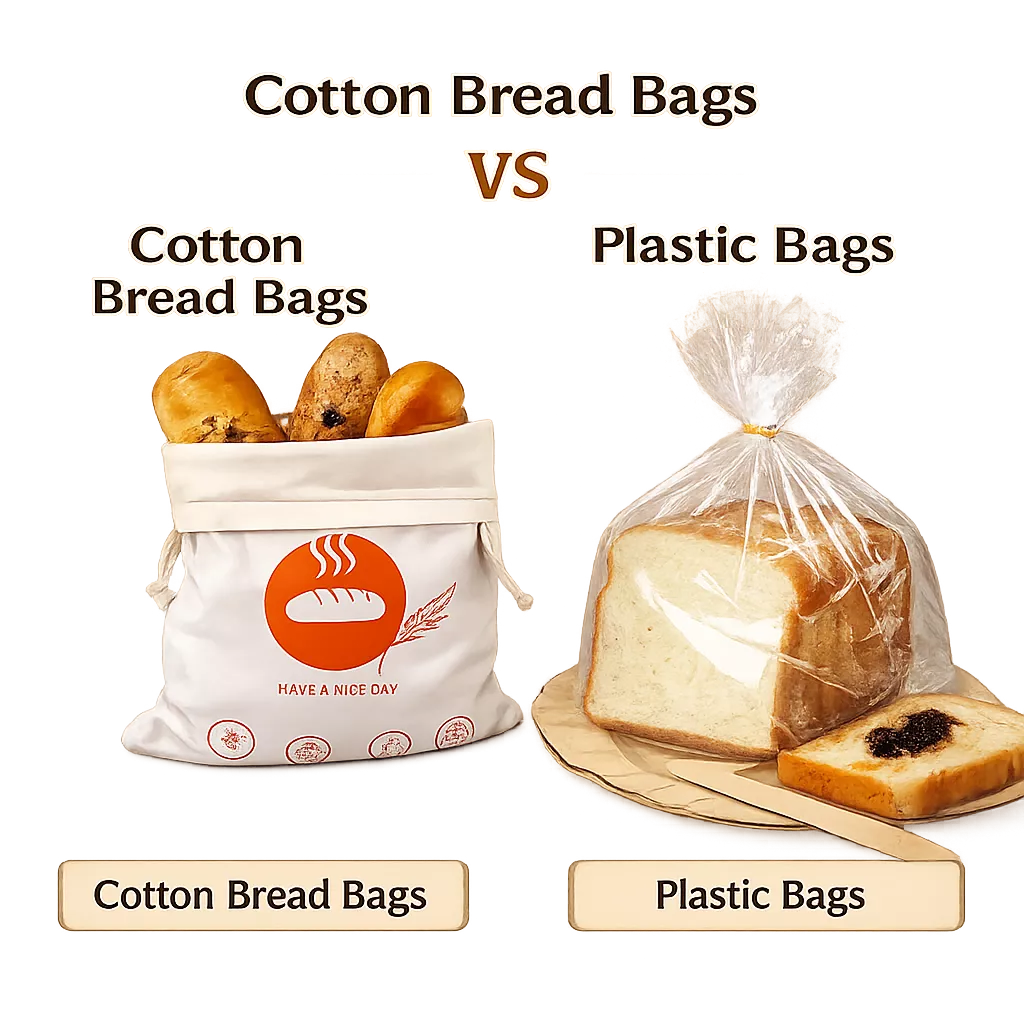
What Is a Cotton Bread Bag?
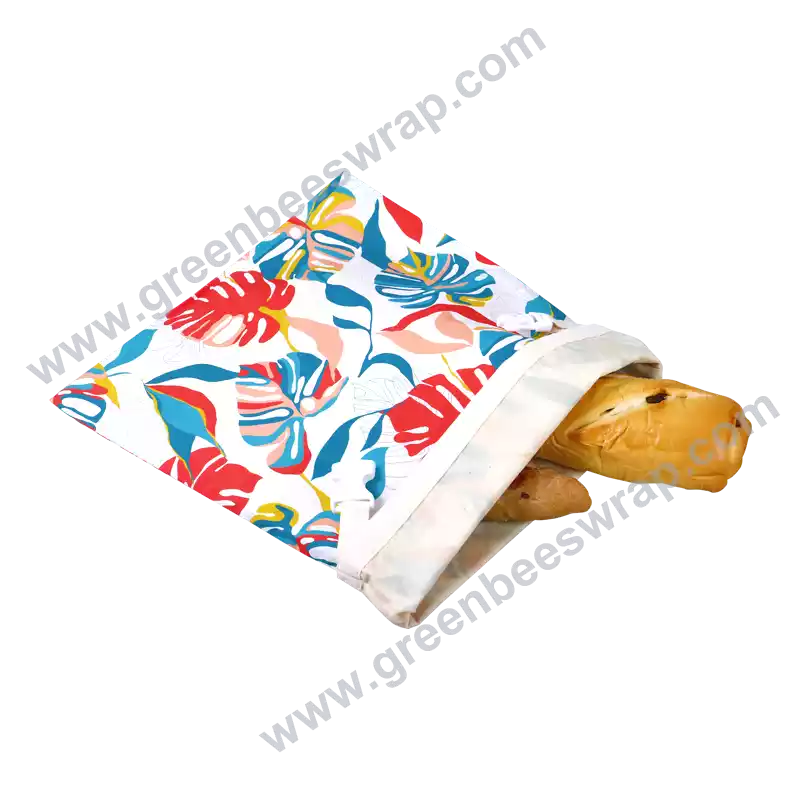
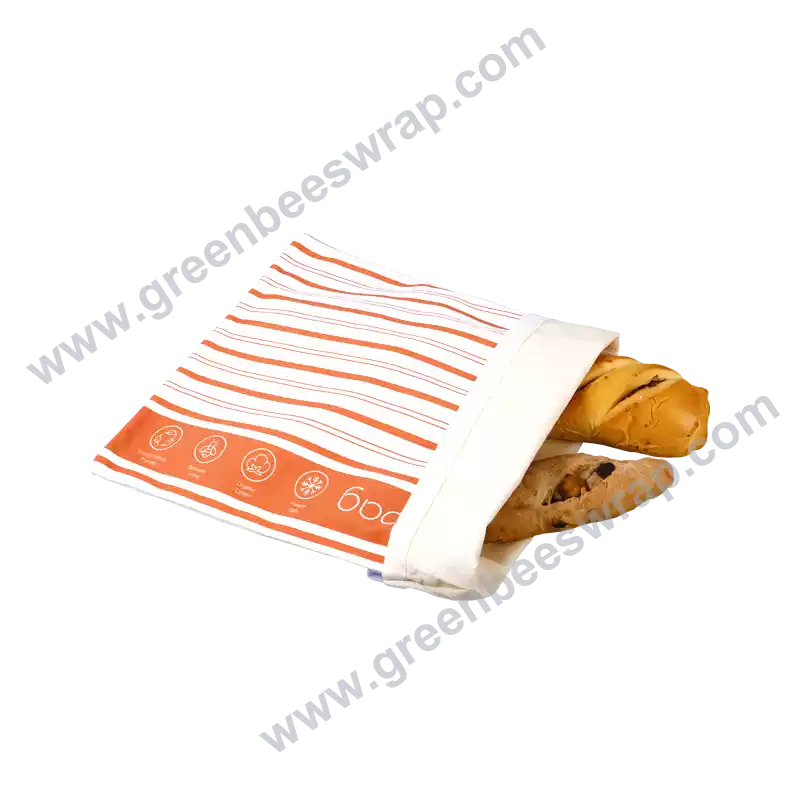
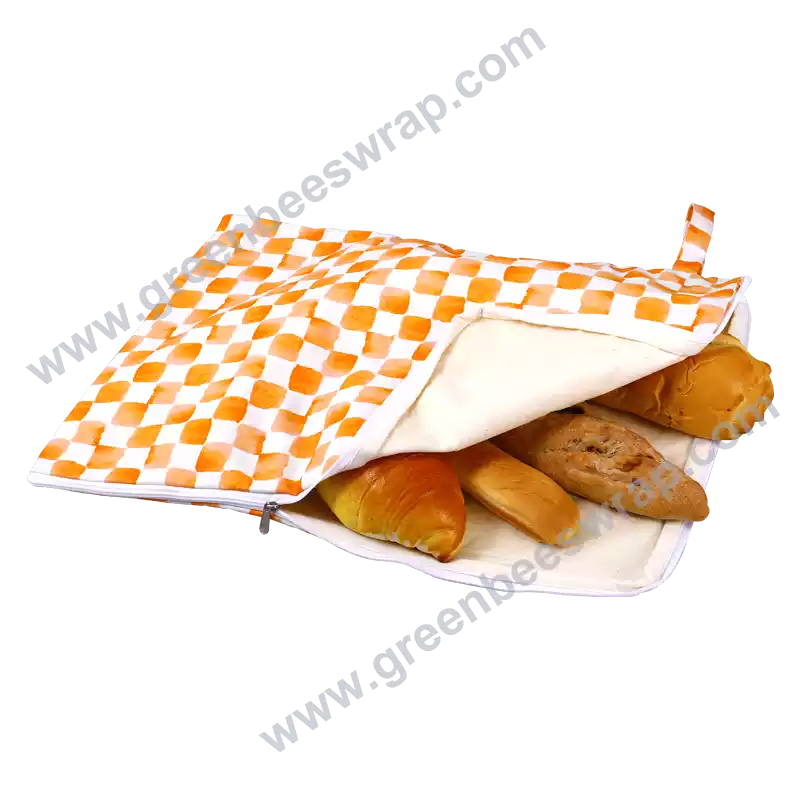
Cotton bread bags are reusable bags made for storing bread. They’re usually 100% cotton, organic cotton, cotton-linen blends, or double-layer cotton.
Key features:
- Reusable
- Machine washable
- Biodegradable
- Great breathability
They’re popular in home kitchens, artisanal bakeries, farmers’ markets, and zero-waste stores.
What Is a Plastic Bread Bag?
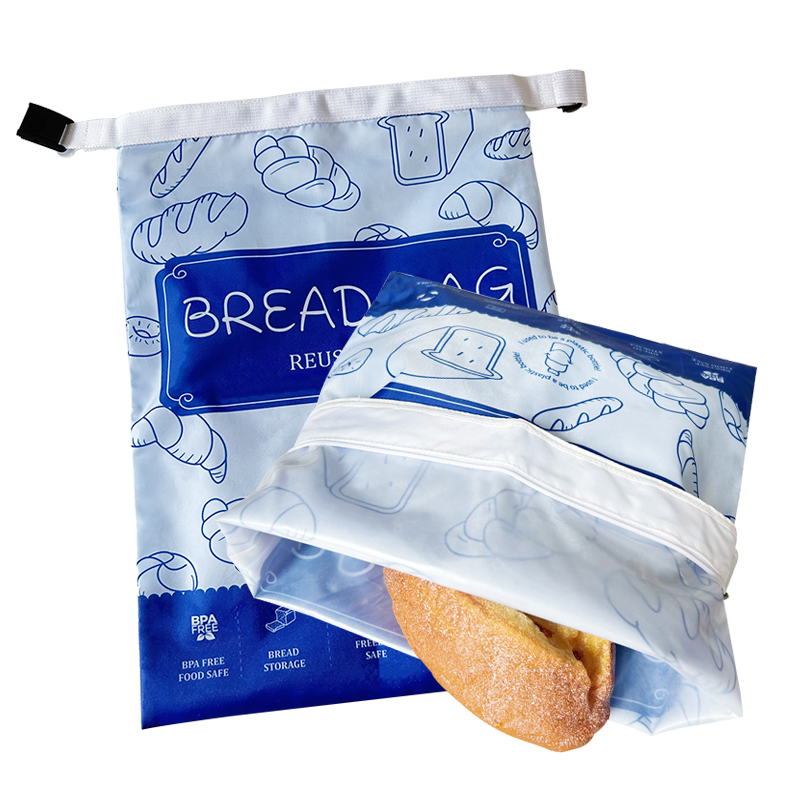
Plastic bread bags are made from PE (polyethylene), PP (polypropylene), or BOPP film.
They offer low cost, light weight, waterproofing, and strong sealing.
Thanks to the cheap price and tight seal, they’re still the standard for big industrial bread brands.
What Really Matters for Bread Storage?
Before comparing, understand the basics.
Bread quality depends on:
- Moisture: Keeps it soft and fresh
- Airflow: Affects crust texture and mold risk
- Humidity: Too high causes mold; too low makes it stale
- Temperature: Speeds up staling and microbe growth
The best storage finds the right balance.
Freshness Comparison
Many assume plastic’s tight seal means better preservation. It’s not that simple.
Plastic bag pros
- Almost no airflow, so less moisture loss. Bread stays soft short-term.
- Good for industrial toast and sandwich bread eaten within 1-2 days.
Plastic bag cons
- Traps too much moisture: Fresh bread releases steam that gets locked in, leading to mold—especially in warm or humid conditions.
- Loses aroma fast: After a few openings, it can’t hold flavor, and bread dries out quickly.
- Environmental harm: Hundreds of millions end up in oceans and landfills, taking centuries to break down.
- Potential health issues: Some plastics may release chemicals with heat or long food contact.
Cotton bag pros
Organic cotton bread bags use 100% natural fibers with excellent breathability that balances moisture and air:
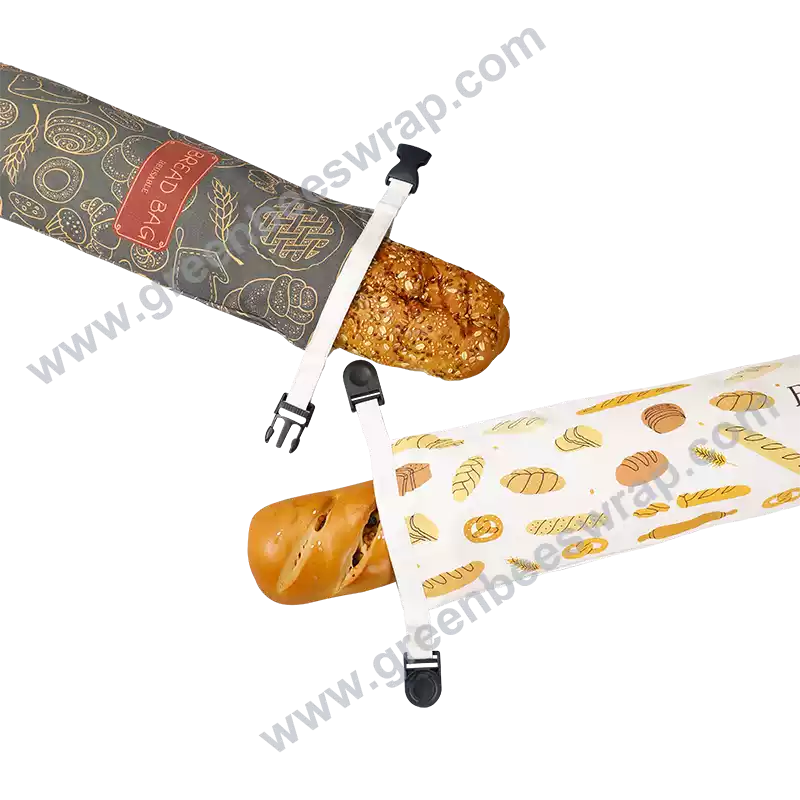
- Crusty breads like baguettes and sourdough: Releases extra moisture fast, keeping the crust crisp.
- Soft breads like toast or sweet loaves: Holds just enough moisture for 2-4 days of softness.
- Sliced bread: Easy to portion, cutting down on drying from repeated opening.
Real feedback: Families often see 70%+ less bread waste after switching to cotton!
Care is easy: Machine or hand wash with mild detergent, air dry, and it gets softer over time.
In very dry conditions, bread might lose moisture a bit faster, so long-term results depend on your kitchen’s humidity.
Mold Risk Comparison
Mold comes mainly from moisture, humidity, and temperature—not just air.
Plastic bags easily trap humidity → condensation → mold growth. This is worse in summer, damp areas, or with high-hydration breads.
Cotton bags let air circulate, reducing buildup and condensation, so mold risk is much lower.
Relative Mold Risk
| Storage Method | Mold Risk |
|---|---|
| Plastic Bag | ★★★★★ |
| Paper Bag | ★★★☆☆ |
| Cotton Bag | ★★☆☆☆ |
| Beeswax Bread Bag | ★☆☆☆☆ |
For artisanal breads, cotton is generally safer.
Effect on Crust
This is the biggest difference.
- Plastic bags lock in moisture, making crusts soggy—especially bad for baguettes, sourdough, and rustic breads.
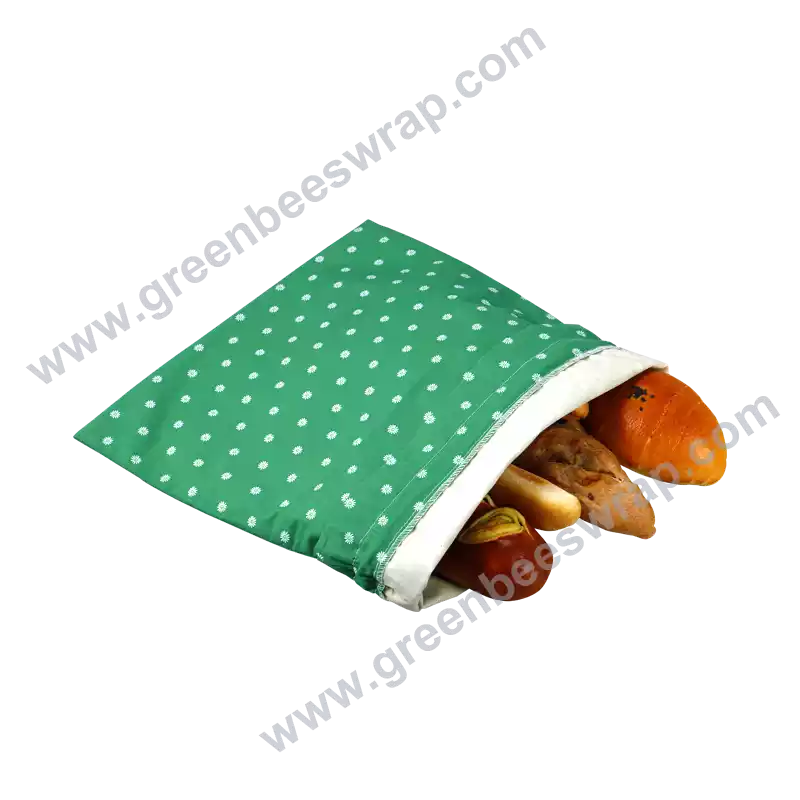
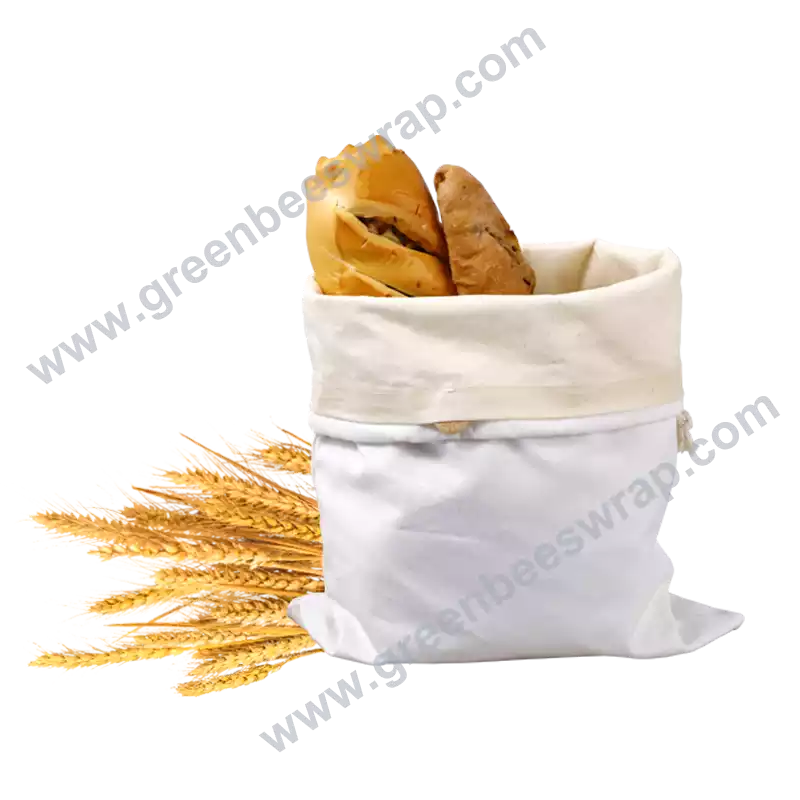
- Cotton bags provide gentle airflow to keep crusts dry and crisp, preserving that fresh-baked texture and aroma.
Best Storage by Bread Type
| Bread Type | Plastic Bag | Cotton Bag |
|---|---|---|
| White Toast | ★★★★☆ | ★★★☆☆ |
| Sandwich Bread | ★★★★☆ | ★★★☆☆ |
| Baguette | ★☆☆☆☆ | ★★★★★ |
| Sourdough | ★★☆☆☆ | ★★★★★ |
| Ciabatta | ★★☆☆☆ | ★★★★★ |
| Rustic Bread | ★★☆☆☆ | ★★★★★ |
| Whole Wheat | ★★★☆☆ | ★★★★☆ |
Handmade breads almost always do better in cotton.
Eco-Friendliness Comparison
- Plastic bags: Cheap but mostly single-use, hard to degrade, and create long-lasting waste.
- Cotton bags: Reusable hundreds of times, washable, biodegradable, and cut single-use packaging—perfect for plastic-free and zero-waste lifestyles.
Cost Comparison
Cotton costs more upfront but lasts for many uses, so it’s cheaper over time. Plastic seems cheap per bag but adds up with constant repurchasing.
Real-Life Recommendations
- Everyday home: Drawstring cotton bags—drop in fresh bread and enjoy it soft the next day.
- Bakeries/studios: Custom logo versions boost your eco image.
- On the go: Lightweight, foldable, and great for picnics or gifts.
- Longer term: Freeze portions and thaw in the bag for great texture.
Core Comparison Table
| Item | Organic Cotton Bread Bag | Regular Plastic Bag | Winner? |
|---|---|---|---|
| Breathability | Excellent—lets bread breathe | Almost sealed, traps condensation | Cotton wins |
| Freshness | Extends 2-4 days, less mold & drying | Prone to mold or quick staling | Cotton wins |
| Eco-Friendliness | Reusable 100+ times, biodegradable | Single-use plastic pollution | Cotton wins |
| Safety | Food-grade, non-toxic, BPA-free | Possible microplastics | Cotton wins |
| Durability & Cleaning | Machine washable, lasts 1-2 years | Fragile, single-use | Cotton wins |
| Cost | Higher upfront, low long-term | Cheap each time, adds up | Cotton better |
| Look & Feel | Natural, customizable, stylish eco vibe | Basic transparent, fogs easily | Cotton better |
Household Choice Guide
- Plastic is okay for supermarket toast or sliced bread finished in 1-2 days.
- For sourdough, baguettes, European, or artisanal breads, cotton bags are the smarter pick.
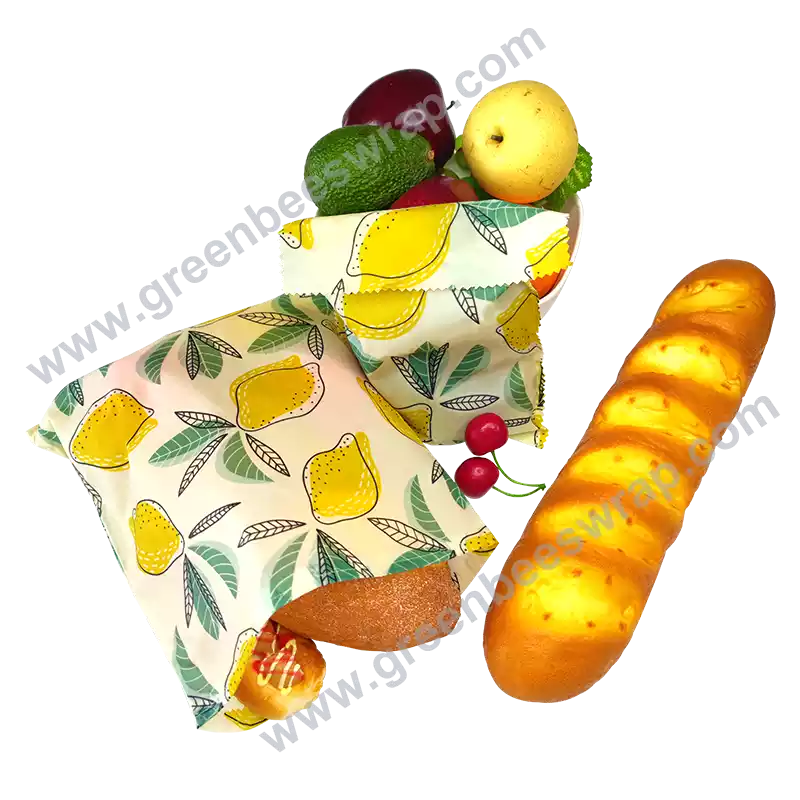
In addition to cotton bread bags, we also offer beeswax bread bags and vegan wax bags. These are also reusable. Click here to learn more about beeswax bread bags vs. cotton bread bags
What Bakeries and Brands Should Choose
More premium shops are moving away from plastic for better brand image, reusable customer promotion, easy customization with logos and stories, and stronger ESG/sustainability goals.
Professional Bread Bag Manufacturer
Green Wrap specializes in high-quality organic cotton bags to help families and businesses ditch plastic:
- Retail: Ready stock in many sizes, colors, and styles (drawstring, flat, window)—buy one and try it today.
- OEM Custom: Tailor sizes, colors, logos, slogans, or shop details for bakeries, cafes, and home bakers.
- Wholesale: Great bulk prices, reliable supply, and “old bag trade-in” programs to grow loyalty and green branding.
We use food-grade organic cotton and test for safety. We have solutions for any scale.
Ready to upgrade from plastic to healthier storage? Contact us for details, samples, custom options, or quotes. We’ll match the perfect cotton bags to your bread types and habits.
Final Conclusion: Cotton Bread Bag or Plastic Bag?
Plastic wins for rock-bottom short-term cost.
But for better bread quality, lower mold risk, eco benefits, reusability, and brand value, cotton bread bags are clearly superior.
For crusty loaves, sourdough, ciabatta, and handmade breads, cotton creates the ideal environment—crispy crusts, balanced moisture, and less waste.
For anyone wanting great bread and a sustainable kitchen, cotton bread bags are a smart long-term choice that delivers on freshness and planet-friendly living.
 English
  German
  French
  Spanish
  Italian
  Dutch
Dutch