

Fresh-from-the-oven homemade bread is always irresistible. That golden crispy crust, soft and chewy inside, and rich aroma from natural fermentation—store-bought bread just can’t compare.
With no preservatives, homemade bread can dry out, harden, or mold in just a day or two. Many home bakers run into the same issues:
- Yesterday’s fresh loaf is hard today;
- It loses aroma and texture by day three;
- Mold shows up after a week;
- And uncertainty about room temp, fridge, or freezer.
The truth is, storing homemade bread differs from commercial bread. Most home-baked loaves skip preservatives, humectants, and improvers, making them more sensitive to their environment.
So, what’s the best way to store homemade bread? Which methods keep it fresh and tasty longest? Green Wrap breaks it down with bread science and practical tips.
Why does homemade bread spoil faster than store-bought?
Start by understanding its unique traits.
Homemade bread usually has no preservatives
Supermarket breads often add calcium propionate, potassium sorbate, emulsifiers, and moisture retainers to extend shelf life, fight mold, and stay soft.
Homemade versions stick to basics: flour, water, yeast or sourdough starter, salt, and a bit of fat—much closer to natural.
Higher water content in homemade bread
Especially in:
- Sourdough
- Country-style European breads
- Ciabatta
- High-hydration loaves
Moisture levels often hit 65-85%. Great for texture, but trickier to store.
Lacks industrial tech
Factories use modified atmosphere packaging, auto-sealing, and humidity control. Home bread depends completely on how you store it afterward.
The real reason homemade bread hardens
Many think it’s just from drying out. That’s only part of it.
The main culprit is starch retrogradation.
After baking, starch molecules rearrange, tightening the structure, hardening the crumb, weakening aroma, and reducing that fresh mouthfeel.
It starts within hours, even without major moisture loss.
Common storage mistakes
Before the good methods, here are the biggest pitfalls.
Mistake 1: Bagging it while hot
Fresh bread releases steam. Sealing it right away causes condensation, soggy crust, and faster mold.
Fix: Cool completely. Small loaves take about 1 hour; big European styles need 2-3 hours.
Mistake 2: Storing in the fridge
Lots of people assume the fridge helps. For bread, it’s often one of the worst ideas.
Why? Fridge temps (around 4°C) speed up starch retrogradation—the sweet spot for staling is 0-10°C. Bread hardens faster in there. Skip it for short-term storage.
Mistake 3: Relying on plastic bags long-term
They cut moisture loss but trap vapor, leading to condensation and mold—especially in humid kitchens.
Best storage by time frame
Choose based on when you’ll eat it.
Within 24 hours
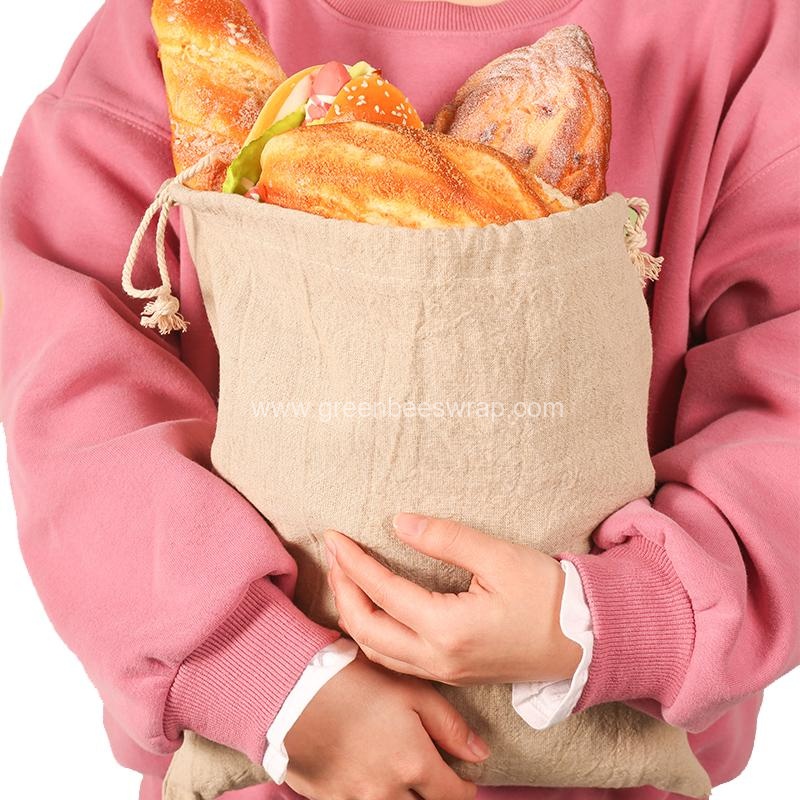
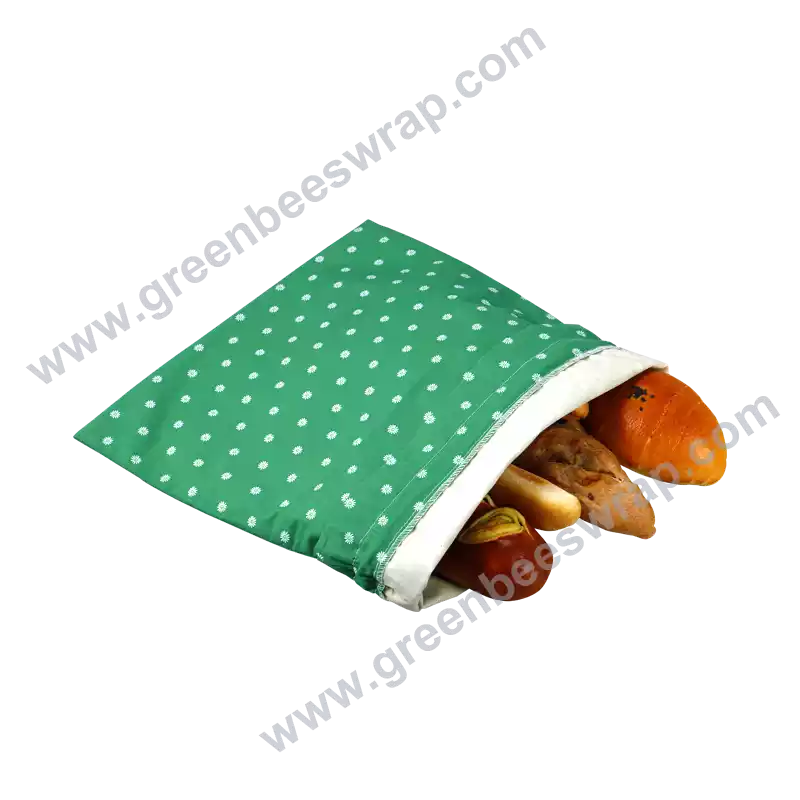
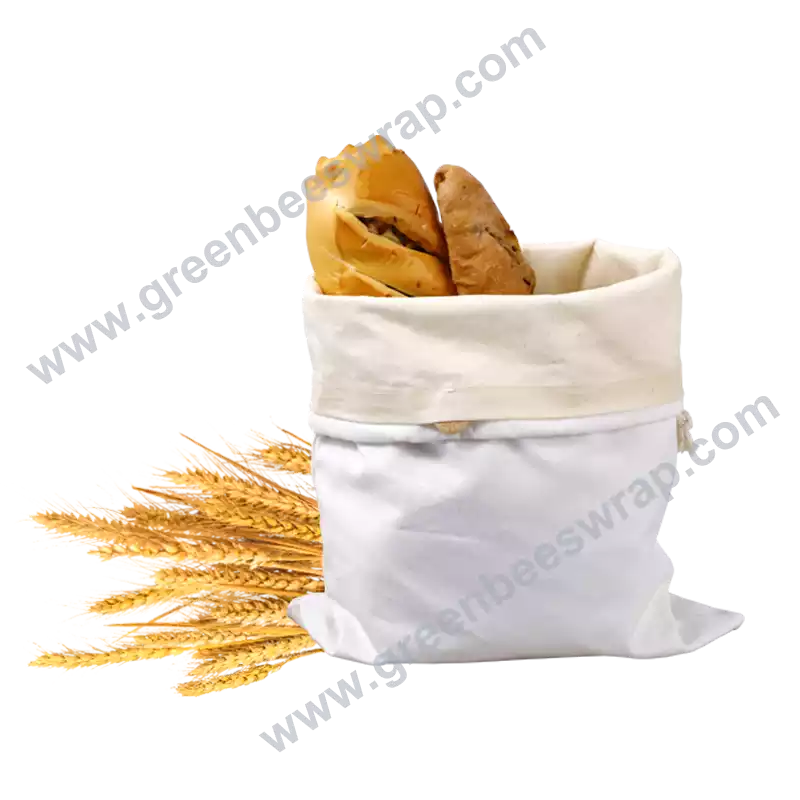
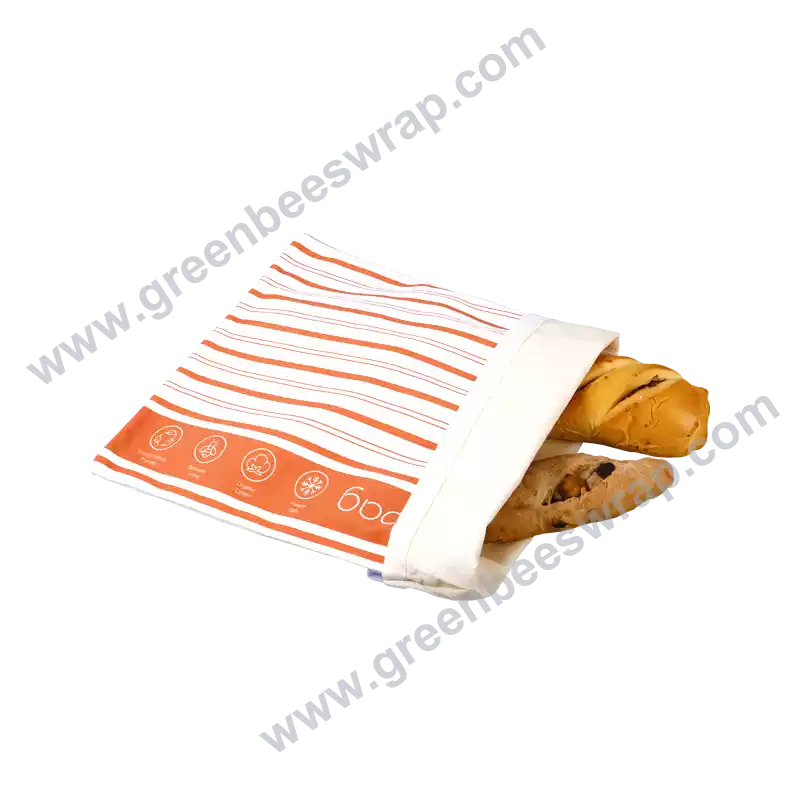
Best: Cotton bread bags
Features: Excellent breathability, keeps crust crispy, minimal condensation.
Great for baguettes, European breads, and rustic loaves.
Linen bread bags also shine here with natural airflow and humidity balance—a staple in traditional European bakeries.

2-5 days
Most common household need.
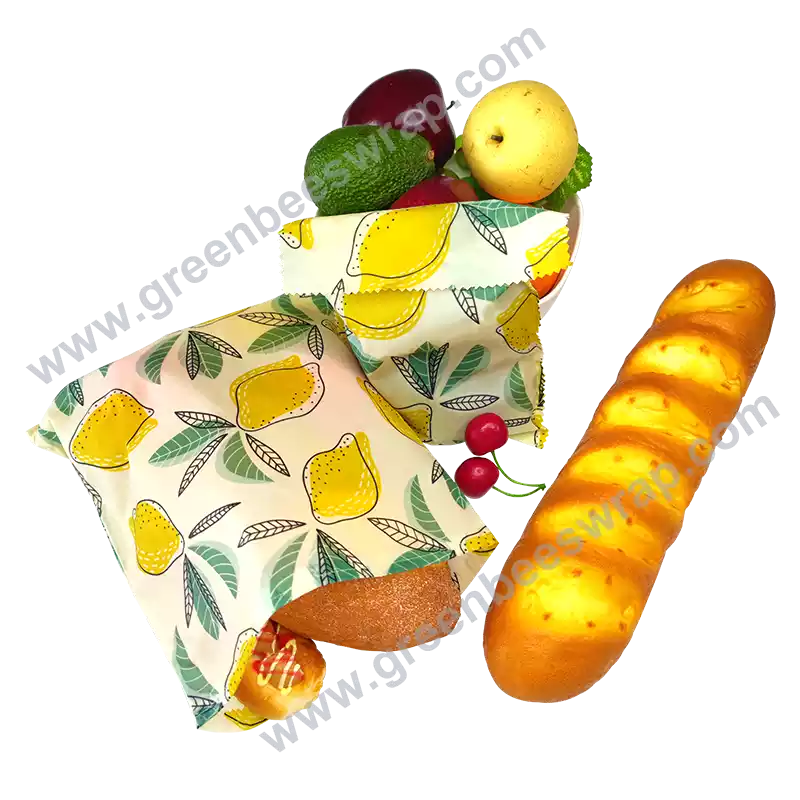
Best: Beeswax bread bags
Why they excel: Made from organic cotton, natural beeswax, plant resins, and jojoba oil, they create a semi-breathable micro-environment.
This locks in just enough moisture, prevents excess humidity, and slows drying.
Perfect for sourdough, whole wheat, sandwich bread, milk bread, and artisan fermented loaves.
Many families report 1-2 extra days of freshness compared to plain cotton.
Beyond 5 days
Only one top choice: Freezing.
Why? Below -18°C, staling nearly stops and microbes slow way down. Flavor, aroma, and texture hold up best.
How to freeze right:
- Cool completely.
- Slice ahead for easy portions.
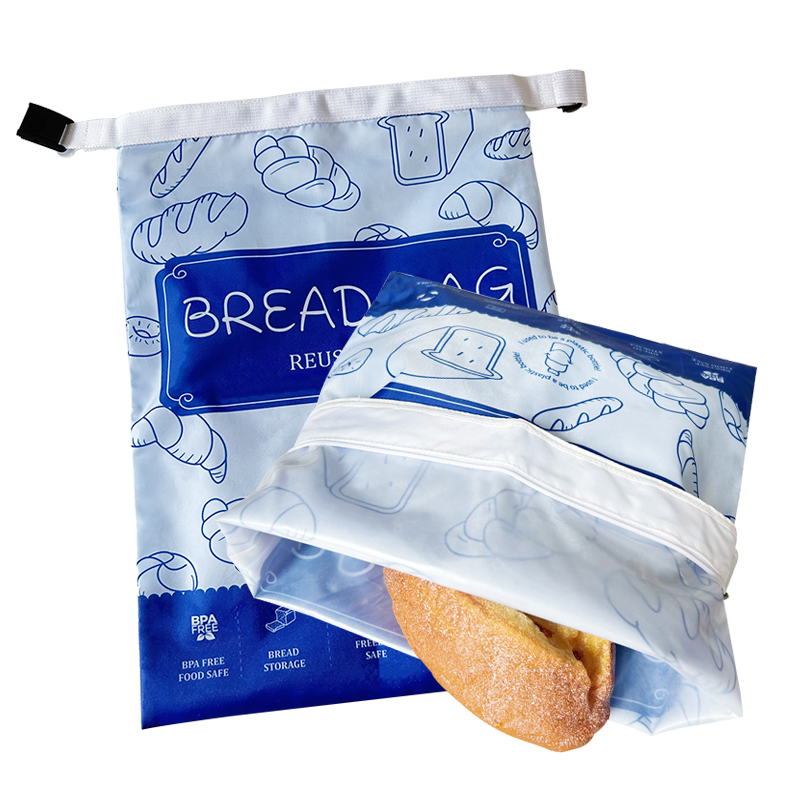
- Use reusable freezer bags to prevent freezer burn.
- Label with date—best within 3 months.



Storage Guide by Bread Type
| Bread Type | 1-2 Days | 3-5 Days | Long-term |
|---|---|---|---|
| Sourdough | Cotton bag | Beeswax bag | Freezing |
| Baguette | Cotton bag | Cotton bag | Freezing |
| Ciabatta | Cotton bag | Beeswax bag | Freezing |
| Sandwich Bread | Beeswax bag | Beeswax bag | Freezing |
| Whole Wheat | Beeswax bag | Beeswax bag | Freezing |
| Milk Bread | Beeswax bag | Beeswax bag | Freezing |
Bread box vs. beeswax vs. cotton—which wins?
We tested them:
| Scheme | Freshness | Breathability | Eco-Friendliness | Portability |
|---|---|---|---|---|
| Bread Box | ★★★★☆ | ★★★★☆ | ★★★★☆ | ★☆☆☆☆ |
| Cotton Bag | ★★★★☆ | ★★★★★ | ★★★★★ | ★★★★★ |
| Beeswax Bag | ★★★★★ | ★★★★☆ | ★★★★★ | ★★★★★ |
Beeswax bags often come out on top overall. Cotton Bags for crusty baguettes and European breads. Bread boxes work well if you store multiple loaves at home.
Signs bread has gone bad
Toss it if you notice:
- Mold spots (green, white, black, or blue)—even a little means the whole loaf goes.
- Off smells (sour, strange fermented, or musty).
- Weird texture (sticky, stringy, or overly wet).
Custom Organic Bread Bag Manufacturer
Green Wrap specializes in organic eco-friendly bread bags and gets what home bakers and small bakeries need:
- Retail: Ready stock of organic cotton bags, beeswax wraps, and window bags in various sizes and colors—perfect for trying just one at home.
- OEM Custom: Selling your own bread? We create logo bags with warm eco messages that show your care.
- Wholesale: Bulk deals and steady supply to help build your green brand.
Artisan bakers using our bags extend shelf life and gain loyal fans with perks like “free eco-bag with bread” or trade-in discounts.
Want better storage for your homemade bread? Reach out anytime. We’ll recommend the right material and size based on your recipes (crusty or soft), batch size, and more.
Best Storage Summary
For most home bakers, it’s straightforward:
- Eat within 24 hours: Cotton bread bag
- 2-5 days: Beeswax bread bag
- Beyond 5 days: Slice and freeze
This combo nails freshness, shelf life, sustainability, and convenience.
If you bake sourdough, European loaves, or artisan fermented breads often, a quality reusable bread bag—especially beeswax—is a smart investment to cut waste and enjoy that fresh-baked taste longer.
 English
  German
  French
  Spanish
  Italian
  Dutch
Dutch