

Freshly baked bread is always irresistible: that crispy crust, soft center, and amazing wheat aroma. But many of us run into the same problem—the bread you bring home often goes stale by the next day or starts molding after just a few days.
To keep bread fresh longer, lots of people reach for plastic bags. But plastic isn’t always the best option. With growing eco-awareness, more families and baking fans are turning to plastic-free bread storage natural methods. These options cut down on single-use plastic waste and do a better job preserving bread quality.
So, how can you store bread without plastic? Which methods work best for different types? Green Wrap has a range of reusable bread bags to help.
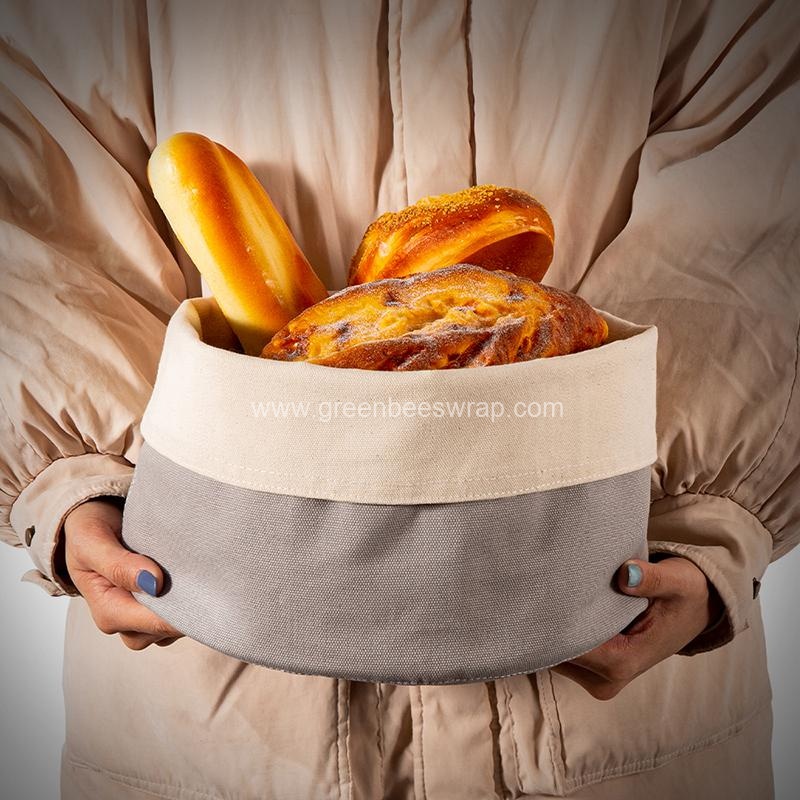
Why are more people ditching plastic bread bags?
For decades, single-use plastic has been the go-to for bread packaging.
Plastic bags are cheap, waterproof, easy to get, and good at holding moisture short-term. But they come with downsides.
Problem 1: They create tons of plastic waste
Billions of these bags are used worldwide every year, and many end up in landfills or the oceans.
It can take hundreds of years for them to break down. For anyone into sustainable living, cutting single-use plastic is now a way of life.
Problem 2: Plastic bags trap moisture and create high humidity
A lot of people think bread molds from too much air. Actually, the real culprits are moisture, temperature, and humidity in the storage spot.
Fresh bread releases steam that can’t escape in a plastic bag. This leads to condensation, which creates a damp environment that encourages mold—exactly why bread molds faster in plastic.
Problem 3: It ruins the crust texture
For baguettes, sourdough, and rustic breads, plastic quickly softens that crispy crust, killing the crunch, flavor, and overall mouthfeel.
Why does bread get hard?
Before diving into solutions, let’s understand what really makes bread stale.
Many assume it’s just moisture loss. That’s part of it, but the main issue is starch retrogradation—the key process in bread aging.
Once bread cools, starch molecules reorganize, making the texture denser, firmer, and less aromatic. This happens even in sealed conditions.
The best storage balances:
- Controlling moisture loss
- Preventing too much humidity
- Slowing down aging
5 Natural Plastic-Free Bread Storage Methods
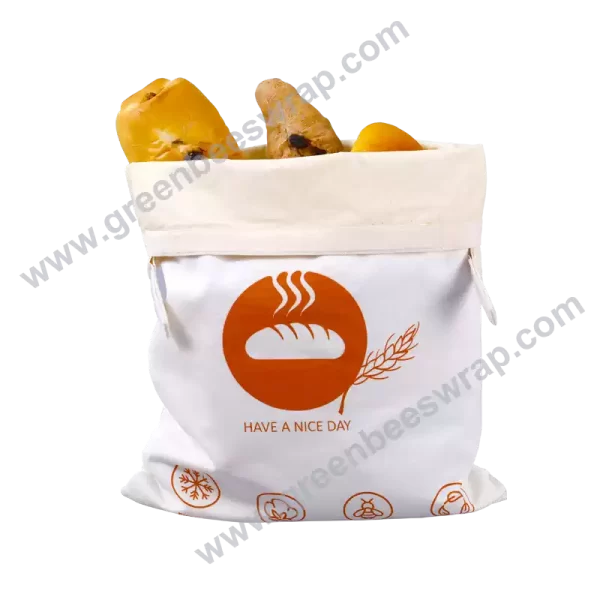
Cotton Bread Bags
These are one of the most popular eco-friendly options right now.
- Features: 100% cotton, organic cotton, cotton-linen blends, high breathability, reusable, washable, and biodegradable.
- Advantages: The breathability reduces condensation, lowers mold risk, and keeps the crust crispy.
- Best for: Baguettes, European breads, and rustic loaves.
- Drawback: In very dry conditions, bread might dry out faster.
Beeswax Bread Bags
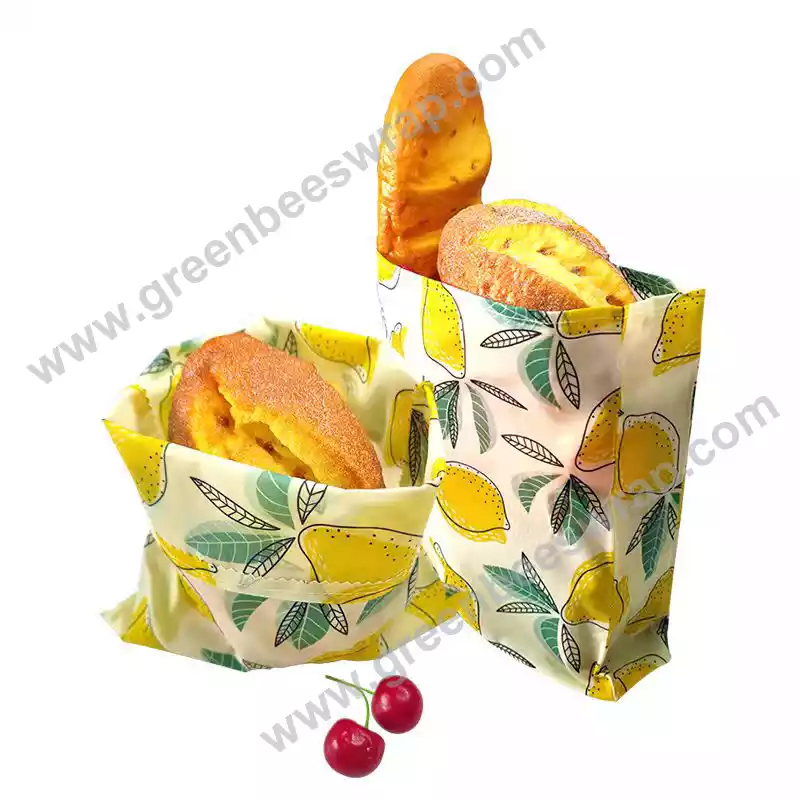
One of the top natural preservation choices lately, made from organic cotton, natural beeswax, plant resins, and jojoba oil.
- Why they work better: The beeswax creates a semi-breathable layer—sealing in just enough moisture without trapping everything like plastic or letting it all escape like plain cotton.
- This helps maintain ideal humidity, cuts moisture loss, and prevents condensation.
- Great for: Sourdough, whole wheat, sandwich bread, and artisan fermented loaves.
- They often keep bread fresh longer than regular cotton bags.
Linen Bread Bags
Linen offers excellent natural breathability.
- Features: High strength, good antibacterial qualities, and solid moisture management.
- Ideal for: Artisan breads and organic loaves.
- Many traditional European bakeries still rely on linen bags.
Bread Box
A classic option with centuries of use, creating a stable micro-environment.
- Common materials: Bamboo, wood, or metal.
- Advantages: Steady temperature, humidity, and airflow—perfect for daily home use and multiple loaves.
- Downsides: Not portable and takes up counter space in small kitchens.
Freezing
Best when you won’t finish the bread in a few days.
- Why it works: Cold temps slow starch retrogradation and stop microbes.
- Best way:
- Cool the bread completely.
- Slice it.
- Use reusable freezer bags.
- Freeze.
- Lasts: 1-3 months.
Storage Guide by Bread Type
| Bread Type | Recommended Method |
|---|---|
| Baguette | Cotton bag |
| Sourdough | Beeswax bag |
| Whole Wheat Bread | Beeswax bag |
| Sandwich Bread | Beeswax bag |
| Rustic Bread | Linen bag |
| Bagel | Cotton bag |
| Long-term | Freezing |
Common Bread Storage Mistakes
Mistake 1: Bagging hot bread
Fresh bread releases steam. Sealing it right away causes condensation and mold.
Fix: Always cool it fully first.
Mistake 2: Keeping it in the fridge long-term
The fridge (around 4°C) actually speeds up starch retrogradation, making bread stale faster.
Mistake 3: Fully airtight storage
Too much sealing traps humidity and promotes mold.
Moderate airflow is key.
Correct Bread Storage Steps
Cool first
Let fresh bread sit on a rack for 30-60 minutes until cool, then bag it to avoid extra moisture.
Pick the right bag
- Long loaves like baguettes → Long drawstring bags
- Toast or round breads → Square or window-style bags
- Sliced bread → Foldable beeswax wraps
Storage spot
Keep in a cool, dry place (15-25°C ideal), away from sunlight and stoves.
Portion sliced bread so you only take out what you need.
Care Tips
Wash bags weekly with mild detergent (hand or machine; wipe beeswax with cold water) and air dry.
Freeze leftovers sliced—thaw in the bag at room temp for soft results.
With quality reusable bags, regular bread stays fresh 2-4 days longer, and sourdough up to 5-7 days!
Which Method Is Best?
No one-size-fits-all, but here’s the breakdown:
| Scheme | Freshness | Eco-Friendliness | Reusability |
|---|---|---|---|
| Cotton bag | ★★★★☆ | ★★★★★ | ★★★★★ |
| Beeswax bag | ★★★★★ | ★★★★★ | ★★★★★ |
| Linen bag | ★★★★☆ | ★★★★★ | ★★★★★ |
| Bread box | ★★★★☆ | ★★★★☆ | ★★★★★ |
| Freezing | ★★★★★ | ★★★★☆ | ★★★★★ |
For most homes and bakers, combining beeswax bags, cotton bags, and freezing offers the best mix of green benefits, freshness, and convenience.
Professional Bread Bag Maker
Green Wrap specializes in organic bread bags with complete support for individuals and businesses going plastic-free:
- Retail: Ready-to-ship organic cotton drawstring bags, beeswax wraps, and window bags in lots of colors and sizes—buy just one if you want.
- OEM Custom: Tailor sizes, colors, logos, and eco messages. Perfect for bakeries, cafes, and stores to build their own brand bags.
- Wholesale: Great bulk pricing and reliable supply to help businesses switch to sustainable packaging.
Partner shops have cut plastic use and boosted loyalty with “old bag trade-in” deals. Print your brand story on the bags and let customers spread the eco message.
Ready to enjoy naturally stored bread? Contact us anytime for custom orders, wholesale, or buying info. We’ll suggest the best fit based on your needs—home or shop, bread types, etc.
Conclusion
You don’t need single-use plastic bags to store bread. Cotton, beeswax, linen bags, or a classic bread box reduce waste and give bread a better environment to stay fresh.
The secret isn’t total sealing—it’s striking the right balance of breathability, humidity, and preservation.
If you’re after a greener, healthier, more sustainable kitchen, ditching plastic bread bags is an easy first step.
 English
  German
  French
  Spanish
  Italian
  Dutch
Dutch