

As consumers focus more on food freshness, eco-friendly packaging, and reusable items, the market offers more types of bread bags than ever.
Besides classic cotton bread bags, linen bread bags, and beeswax bread bags, waterproof bread bags have been gaining traction with home users, campers, outdoor travelers, and modern baking brands.
So:
- Do waterproof bread bags actually keep bread fresher?
- Does waterproofing make mold more likely?
- How do they differ from traditional bread bags?
- Which works better for sourdough and artisanal breads?
- How should bakeries and OEM brands decide?
Green Wrap compares them across preservation principles, material structure, real-world use, and market trends.
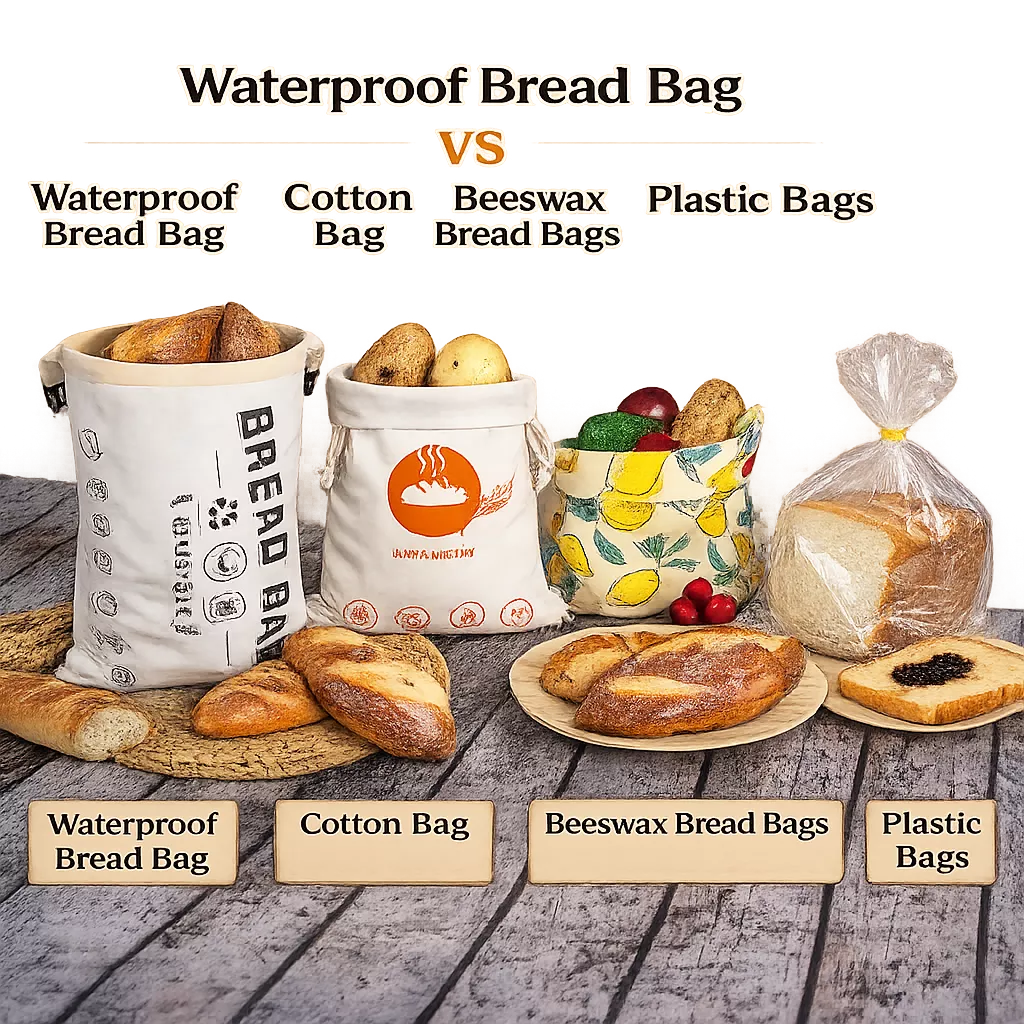
What Is a Waterproof Bread Bag?
Waterproof bread bags aren’t just plastic. High-quality modern versions use a double-layer design: an outer fabric layer and an inner waterproof barrier.
Outer materials often include cotton, organic cotton, or cotton-linen blends. Inner waterproof layers commonly use TPU (Thermoplastic Polyurethane), PUL (Polyurethane Laminate), or food-grade coatings.
This setup offers moisture protection, leak resistance, reusability, and easy cleaning.
What Are Traditional Reusable Bread Bags?
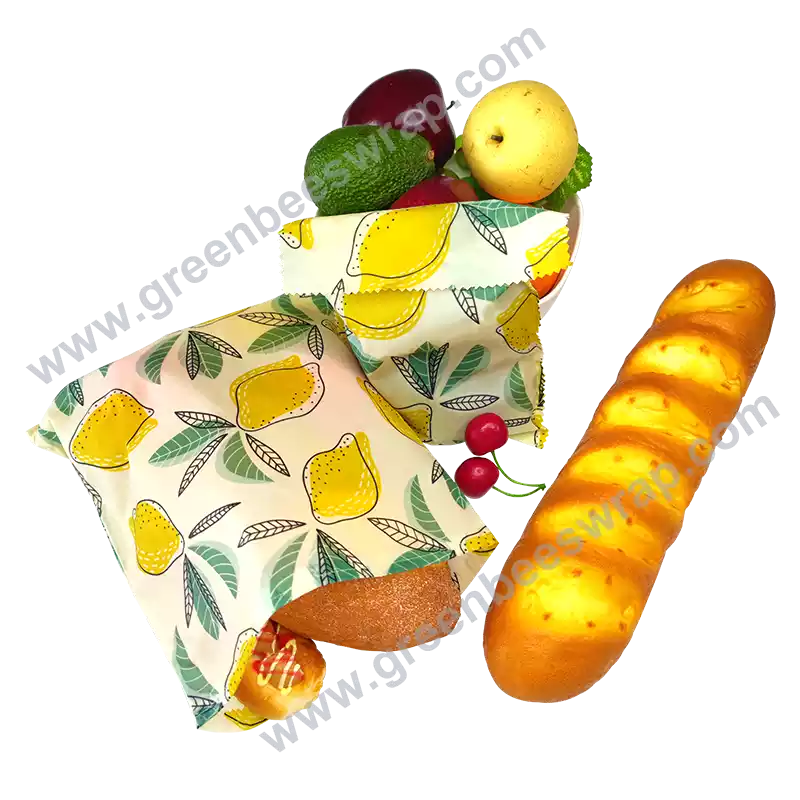
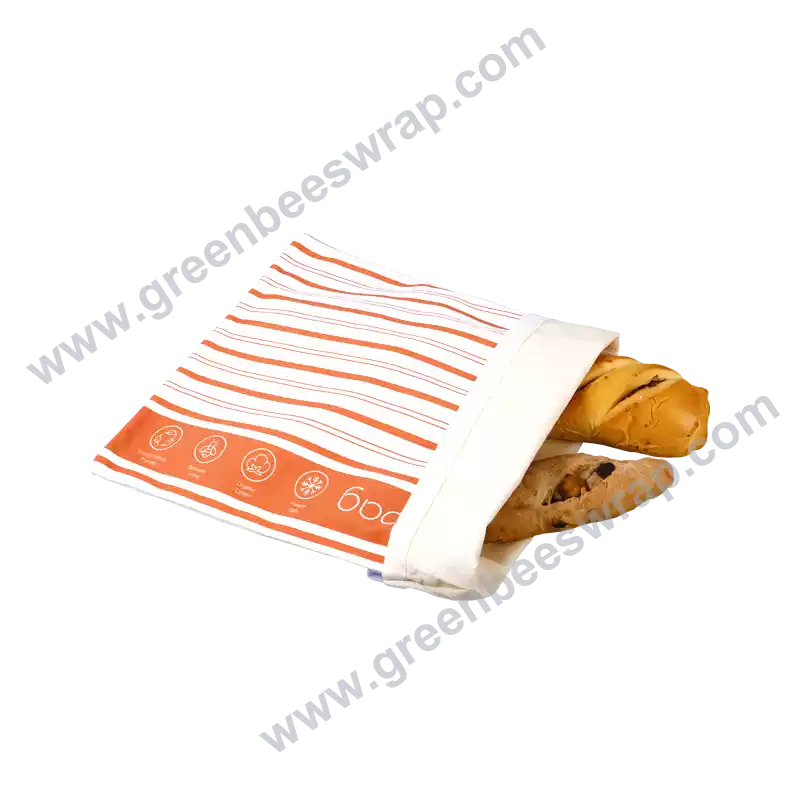
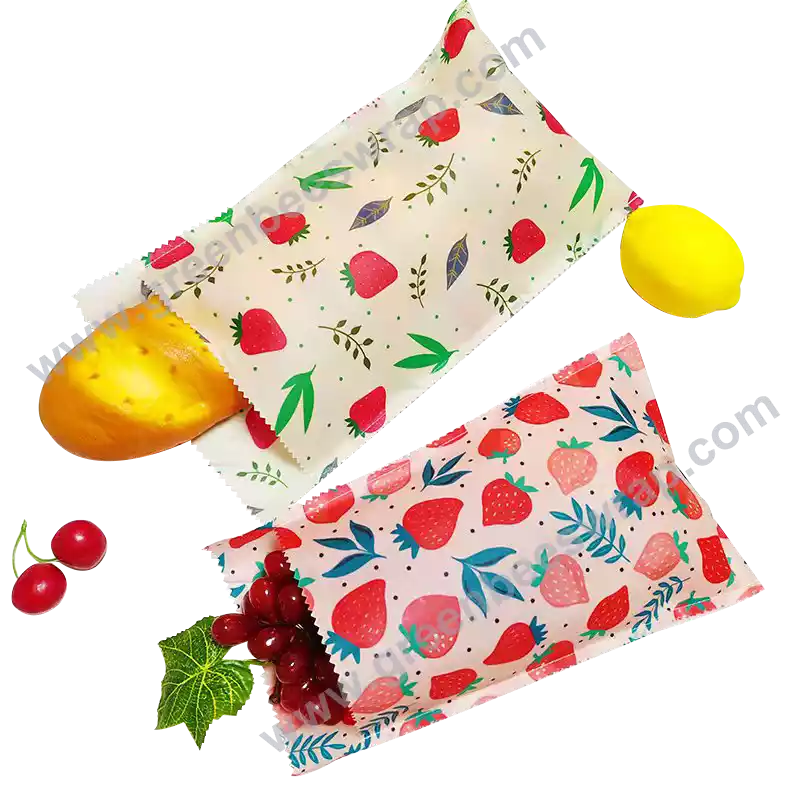
Traditional options mainly include cotton, linen, and beeswax bread bags. They share natural materials, strong breathability, and plastic-free construction—ideal for everyday storage.
Biggest Difference
Waterproof bags focus on blocking external moisture, while traditional bags emphasize internal humidity balance.
Preservation Principles Comparison
Bread freshness depends on managing moisture loss, airflow, temperature, and humidity.
Traditional bags let air circulate for a natural breathing effect. This reduces condensation, lowers mold risk, and helps preserve crusts—perfect for sourdough, baguettes, and European breads.
Waterproof bags block outside moisture while slowing internal drying. They offer strong moisture retention and protection during transport.
Preservation Performance
Cotton and linen bags typically keep bread fresh for 3-4 days. Beeswax bags last 4-6 days. Waterproof bags often deliver 4-7 days (depending on breathability).
Waterproof bags match or exceed beeswax for overall freshness, especially in challenging conditions.
Mold Risk Comparison
Waterproofing doesn’t automatically mean more mold—it depends on the design.
Low-quality airtight versions can trap vapor like plastic. High-quality TPU versions with moisture vapor transmission block liquids but release some vapor, keeping mold risk low.
Mold Risk Levels
| Storage Method | Mold Risk |
|---|---|
| Plastic Bag | ★★★★★ |
| Cotton Bag | ★★☆☆☆ |
| Linen Bread Bag | ★☆☆☆☆ |
| Beeswax Bag | ★☆☆☆☆ |
| TPU Waterproof Bag | ★★☆☆☆ |
Effect on Crust vs Interior
Crust matters most for baguettes and rustic breads. Linen bags excel at keeping them crispy, followed by cotton. Waterproof bags retain more humidity, so crusts may soften slightly.
For softness in sandwich bread, milk toast, or burger buns, waterproof bags shine by locking in moisture, with beeswax close behind.
Best Choices by Bread Type
- Baguettes: Linen first, then cotton.
- Sourdough: Beeswax top choice, followed by TPU waterproof or cotton.
- Sandwich toast: TPU waterproof, then beeswax.
- Burger buns: Waterproof bags.
- Whole wheat: Beeswax, then waterproof.
Usage Scenarios
For everyday home storage, go with cotton, linen, or beeswax bags. Refrigerator or freezer use favors TPU waterproof bags to block fridge moisture and prevent freezer burn. Camping, travel, or transport? Waterproof bags handle rain, spills, and dirt best.
Eco-Friendliness Comparison
Traditional bags win with fully natural, biodegradable, zero-plastic materials. TPU waterproof bags use a functional layer but last hundreds of uses, making them far greener than single-use plastic overall.
OEM and Private Label Trends
Home baking leans toward cotton, linen, and beeswax. Outdoor and camping markets prefer waterproof options. High-end brands increasingly combine organic cotton outer layers with food-grade TPU for balanced performance, looks, and durability.
Reusable Bread Bag Manufacturer
Green Wrap offers both premium waterproof and traditional bread bags to fit every need:
- Retail: In-stock waterproof RPET bags, silicone foldables, organic cotton, and linen options in many sizes and colors—buy one to try right away.
- OEM Custom: Tailor sizes, colors, logos, waterproof ratings, and eco messages for bakeries, cafes, and artisan bakers.
- Wholesale: Competitive bulk pricing, reliable supply, and “old bag trade-in” programs to boost your green image and customer loyalty.
For B2B Procurement
Traditional bags suit eco-lifestyle, organic, and boutique bakery brands that emphasize natural materials. Waterproof bags fit outdoor, travel, freezer-focused, or functionality-driven lines.
Final Conclusion: Waterproof or Traditional?
They complement rather than replace each other.
Choose traditional bags for baguettes, European breads, artisanal loaves, and premium products—better breathability, natural feel, crust preservation, and eco credentials.
Choose waterproof bags for toast, burger buns, frozen bread, or on-the-go use—stronger moisture protection, good retention, transport safety, and versatility.
The smartest approach for most people is combining them: traditional for daily room-temp storage and waterproof for freezing, travel, or humid conditions.
For OEM and private label brands, waterproof bags are one of the fastest-growing segments, while traditional natural fiber bags remain central to sustainable baking packaging. Together, they point to the future of reusable bread solutions.
 English
  German
  French
  Spanish
  Italian
  Dutch
Dutch