

As more people care about keeping food fresh and living greener, reusable bread bags are quickly replacing single-use plastic packaging.
Out of all the choices, the two most popular ones are beeswax bread bags and cotton bread bags.
Both are great sustainable bread packaging options that cut down on plastic waste, but they differ in how they preserve bread, which breads they work best for, how long they last, and how they fit into business use.
So:
- Which one keeps bread fresher longer?
- Which works better for sourdough?
- Which is ideal for bakery sales?
- Which should you pick for OEM customization?
Green Wrap breaks it all down—preservation science, freshness performance, eco-benefits, and real-world fit.
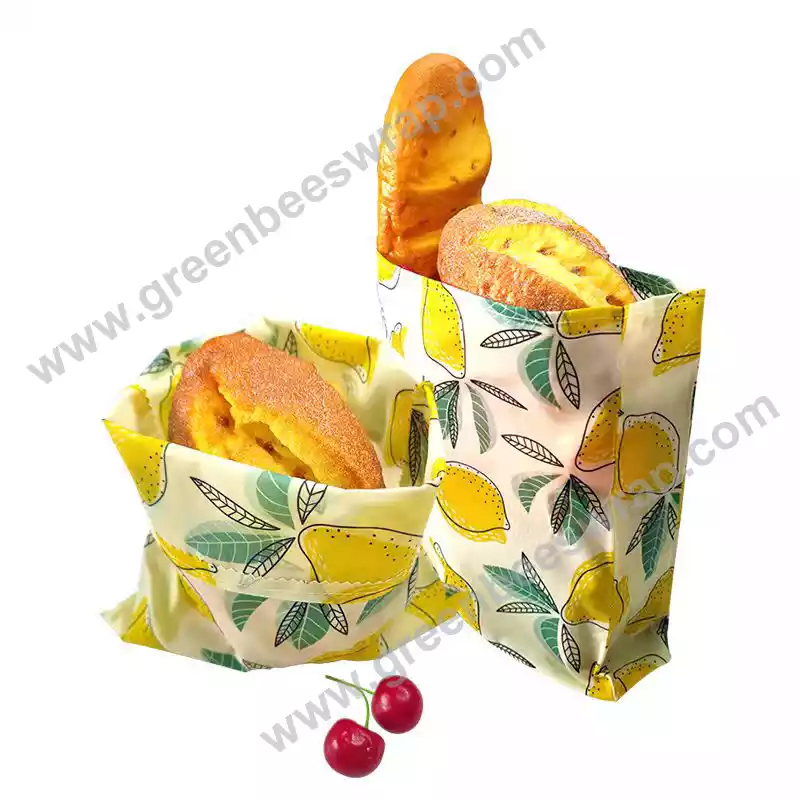
What is a Beeswax Bread Bag?
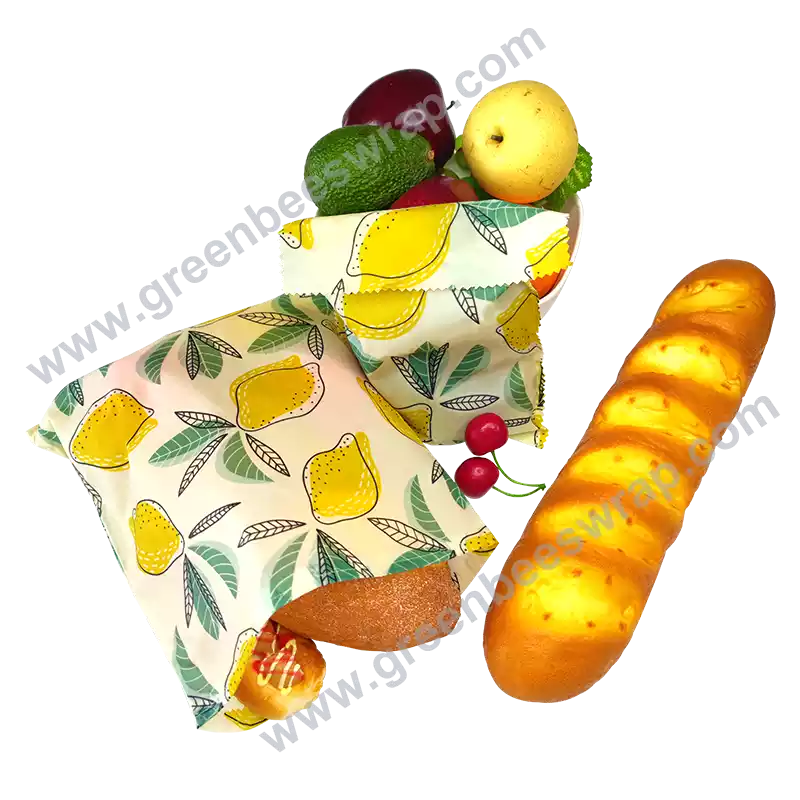
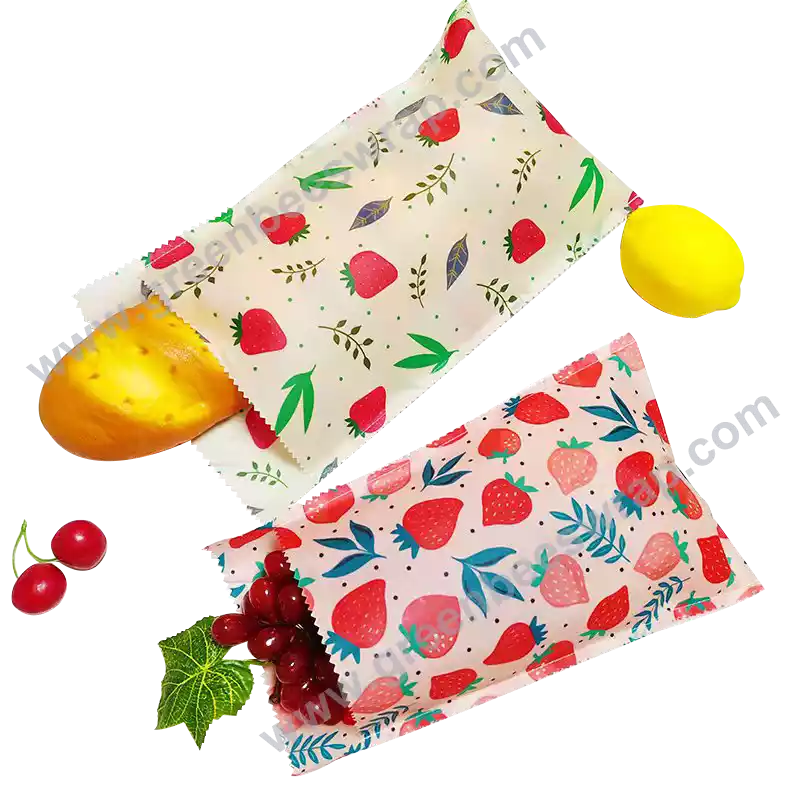
Beeswax bread bags start with natural cotton fabric coated in a layer of natural preservative wax.
They typically include organic cotton for structure, natural beeswax for moisture protection, plant oils for flexibility, and jojoba oil for better durability.
The key feature is creating a semi-breathable environment. It’s not fully sealed like plastic, nor wide open like plain cotton.
What is a Cotton Bread Bag?
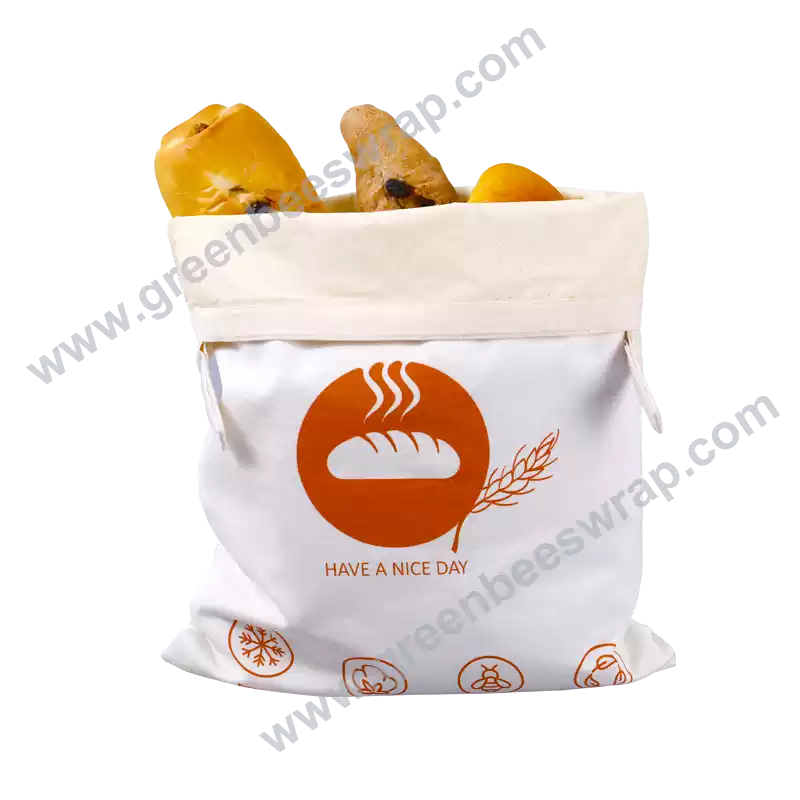
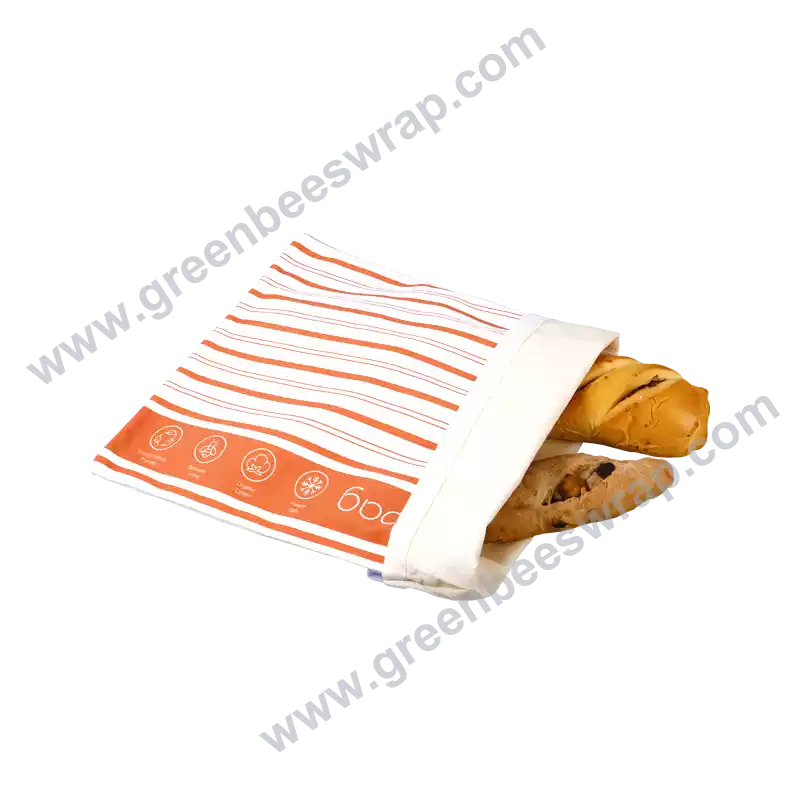
Cotton bread bags are made from 100% cotton, organic cotton, or cotton-linen blends.
Popular styles include drawstring, zipper, flat, baguette, and European bread bags.
The standout trait is strong natural breathability, letting moisture from the bread escape quickly.
How Do Their Preservation Principles Differ?
Cotton bags work with high breathability
The natural gaps in the cotton fibers let air and moisture flow freely.
This means less condensation, lower mold risk, and a crispy crust—but bread can dry out faster.
Beeswax bags use a balanced micro-environment
The wax layer acts like a gentle protective film that holds in just the right amount of moisture while still allowing some airflow and humidity control, similar to a natural bread box.
This prevents quick drying without trapping too much dampness.
Freshness Comparison
Freshness is what most people care about most.
Cotton bags
- Best for: Eating within 1-3 days
- Typical results: Solid crust, but interior gradually dries
- Freshness window: Around 3-4 days
Beeswax bread bags
- Best for: Eating within 3-5 days
- Typical results: Slower moisture loss, softer texture longer
- Freshness window: Around 4-6 days
Overall Ratings
| Item | Cotton Bag | Beeswax Bag |
|---|---|---|
| Moisture Retention | ★★★☆☆ | ★★★★★ |
| Freshness Duration | ★★★☆☆ | ★★★★★ |
| Internal Softness | ★★★☆☆ | ★★★★★ |
If freshness is your top priority, beeswax bags clearly win.
Effect on Bread Crust
- Cotton bags shine at keeping that satisfying crunch. They’re especially great for baguettes, country breads, and rustic loaves.
- Beeswax bags hold more humidity, so the crust ends up a bit softer, but the inside stays nicer and more tender.
Comparison Results
| Item | Cotton Bag | Beeswax Bag |
|---|---|---|
| Crust Crispiness | ★★★★★ | ★★★★☆ |
| Internal Softness | ★★★☆☆ | ★★★★★ |
Mold Risk Comparison
A lot of people assume tighter seals prevent mold, but that’s not always true.
- Cotton bags have excellent airflow, so moisture doesn’t build up easily and mold risk stays low.
- Beeswax bags retain more moisture but still allow enough air exchange, keeping mold risk very low too.
Risk Levels
| Storage Method | Mold Risk |
|---|---|
| Plastic Bag | ★★★★★ |
| Cotton Bag | ★★☆☆☆ |
| Beeswax Bread Bag | ★☆☆☆☆ |
Best Fit for Different Breads
Baguette
- Key traits: Crust matters a lot, best eaten same day.
- Recommendation: Cotton bread bags first, then beeswax.
Sourdough
- Key traits: High hydration, needs longer freshness.
- Recommendation: Beeswax bread bags first, then cotton.
Ciabatta
- Key traits: High hydration, open crumb.
- Recommendation: Beeswax bread bags.
Whole Wheat Bread
- Key traits: Loses moisture easily.
- Recommendation: Beeswax bread bags.
Eco-Friendliness Comparison
Both beat single-use plastic by a mile.
- Cotton bags offer natural fibers, full biodegradability, machine washing, and hundreds of uses.
- Beeswax bags use natural materials, are reusable, and the coating can be repaired.
- Note: The wax layer wears down naturally over time.
Eco Ratings
| Item | Cotton Bag | Beeswax Bag |
|---|---|---|
| Reusability | ★★★★★ | ★★★★★ |
| Biodegradability | ★★★★★ | ★★★★★ |
| Service Life | ★★★★★ | ★★★★☆ |
Durability and Care
Beeswax bread bags
- Beeswax bread bags last about 8-12 months with daily use.
- Clean by gently wiping with cold water and mild soap—no hot water or machine washing.
- You can soften them with hand warmth to reshape and re-wax worn spots to extend life.
Cotton bread bags
- Cotton bread bags last 1-2 years or longer.
- They’re machine washable with neutral detergent and low-heat drying—super easy.
- They even get softer with each wash.
If you want low-maintenance and easy cleaning, go with cotton. If you like natural antibacterial qualities and the ability to mold around bread, beeswax feels more premium.
What Should Bakeries and Brands Choose?
For baking brands, it’s about more than just freshness—it’s brand image, customer experience, and marketing too.
Cotton bread bags fit well with boutique bakeries, baguette shops, and farmers’ market brands. They’re cheaper, great for big OEM runs, and logos print nicely.
Beeswax bread bags suit organic brands, upscale bakeries, zero-waste stores, and sustainable lifestyle companies. They offer higher perceived value, stand out more, and help build a premium eco image.
OEM Customization Tips
For B2B, supermarkets, and bakeries targeting everyday shoppers: Choose cotton bread bags for lower cost, easier shipping, and flexible minimum orders.
For high-end eco-conscious markets: Choose beeswax bread bags for stronger selling points, higher retail prices, and better alignment with green trends.
Professional Bread Bag Manufacturer
Green Wrap specializes in organic eco-friendly bread bags and offers both high-quality beeswax and cotton options to fit every need:
- Retail: Ready stock in different sizes, colors, and styles—single purchases welcome so families can test them right away.
- OEM Custom: We handle logos, sizes, colors, eco slogans, or full brand stories. Bakeries, cafes, and home bakers get their own unique beeswax or cotton bags.
- Wholesale: Competitive bulk pricing and reliable supply to help you switch to sustainable packaging, plus “old bag for new” programs that build customer loyalty.
We will recommend the best solution based on the type of bread you primarily store (soft or hard crust) and how often you use it. For vegetarians, we offer vegan wax bags and can provide samples for testing.
Which one sounds right for you? Contact us anytime for details, custom ideas, or wholesale quotes. We’re here to help you pick or create the perfect bags so every loaf stays as fresh as possible!
Final Thoughts: Beeswax or Cotton?
They’re not rivals—they complement each other for different needs.
Pick cotton bread bags if you love baguettes and European breads, want super crispy crusts, easy washing, and lower costs.
Pick beeswax bread bags if you bake or buy lots of sourdough, want longer freshness, care about cutting food waste, and like a premium eco feel.
Overall, beeswax bags win on preservation power. Cotton bags win on durability and everyday versatility.
For most homes and bakeries today, the smartest move is using both: cotton for crusty loaves and baguettes, beeswax for sourdough and high-hydration artisan breads. You’ll get the best freshness, texture, and sustainable results.
 English
  German
  French
  Spanish
  Italian
  Dutch
Dutch