

As more and more people focus on going green and cutting down plastic waste, beeswax wraps have become a popular swap for regular plastic wrap. But a lot of folks have the same question when they first try them: “Why does a cloth coated with beeswax actually keep food fresh?”
In reality, beeswax wraps aren’t just wax slapped on cotton—they use the natural traits of these materials to create a smart system that protects food while still letting it breathe a bit.
Green Wrap breaks down exactly how beeswax wraps work and why they help food stay fresh longer.
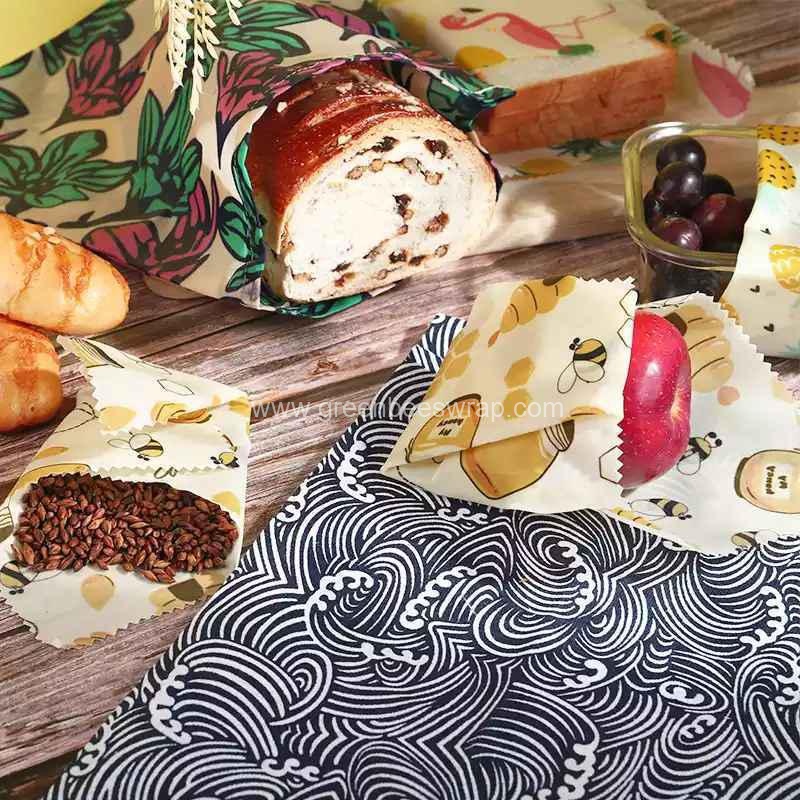
Structure and Composition of Beeswax Wraps
Beeswax wraps work in a pretty clever way. They blend the natural physical and chemical traits of their ingredients to perfectly balance preservation, sealing, and breathability. Main components:
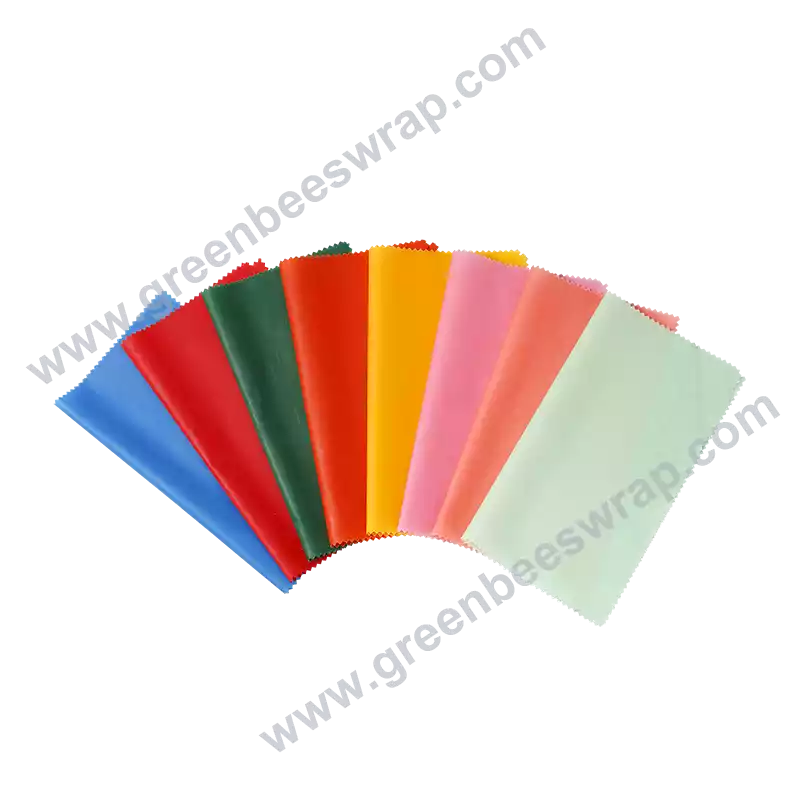
- Base: 100% organic cotton fabric (breathable, soft, and durable)
- Coating: Food-grade beeswax (about 70-80%) + pine resin (for stickiness) + plant oils (like jojoba or coconut oil, for flexibility)
When fused together, these create a thin, semi-breathable wax layer that sticks to the cotton fibers. The natural ingredients are heated, mixed, and evenly applied to the fabric, resulting in a reusable food packaging material.
Core Principles of How Beeswax Wraps Work
Beeswax wraps keep food fresh through a few key mechanisms working together.
Forming a Natural Protective Barrier
Beeswax is naturally hydrophobic, so it blocks outside moisture and humidity while slowing down moisture loss from the food itself.
But it’s not fully sealed—the tiny gaps in the cotton and wax let a little air and moisture pass through slowly.
That’s the “breathing” part! Plastic wrap traps everything, leading to condensation and bacteria buildup. Beeswax wraps let veggies and fruits breathe gently, which really slows down mold and spoilage.
For example, a cut apple turns brown fast from oxidation when left out. Wrapped in beeswax, less oxygen hits it, moisture stays balanced, and it stays fresh-looking much longer.
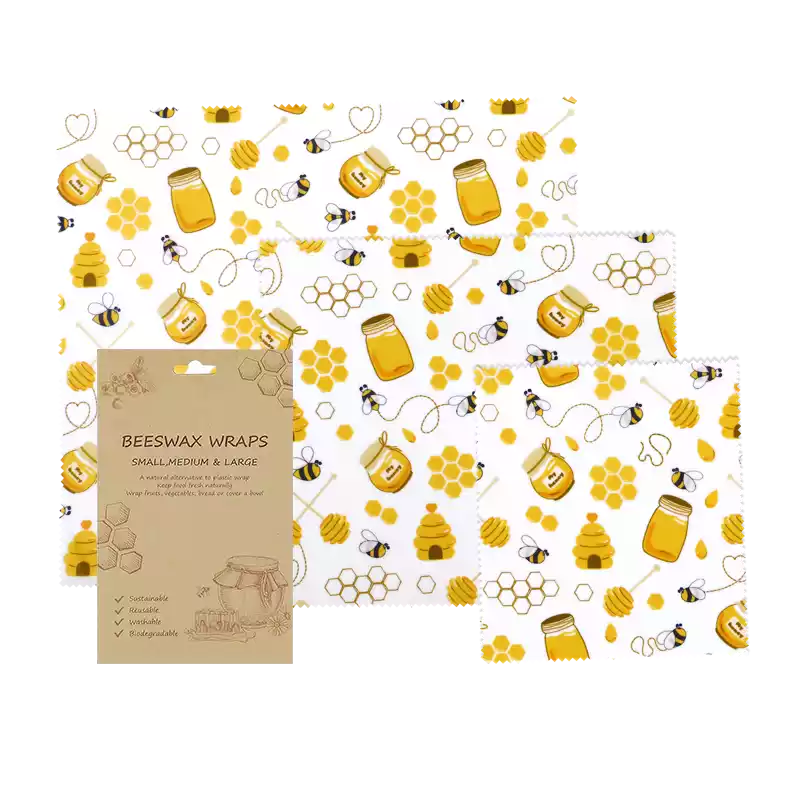
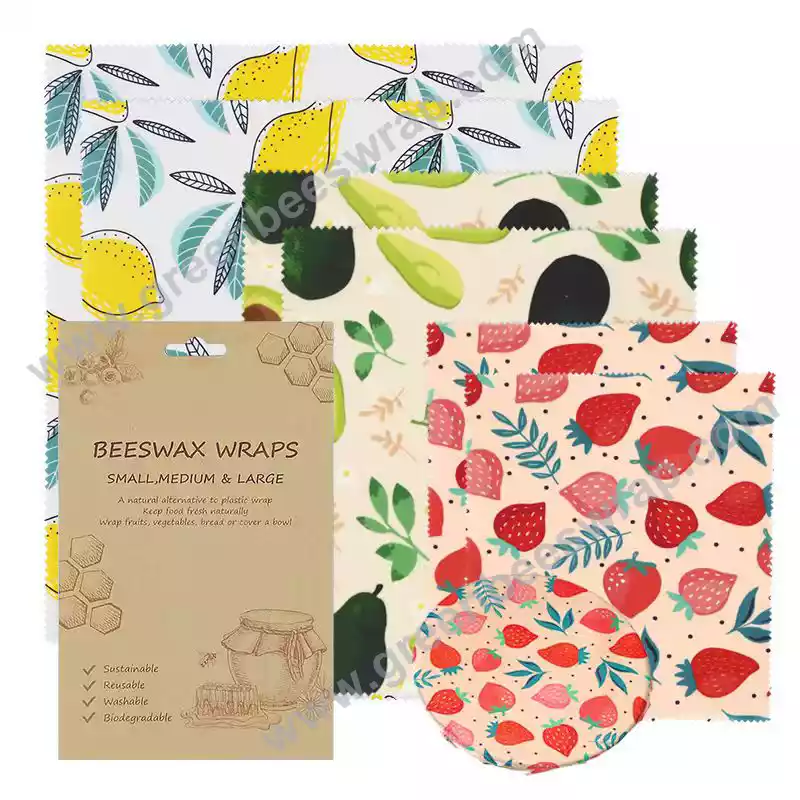
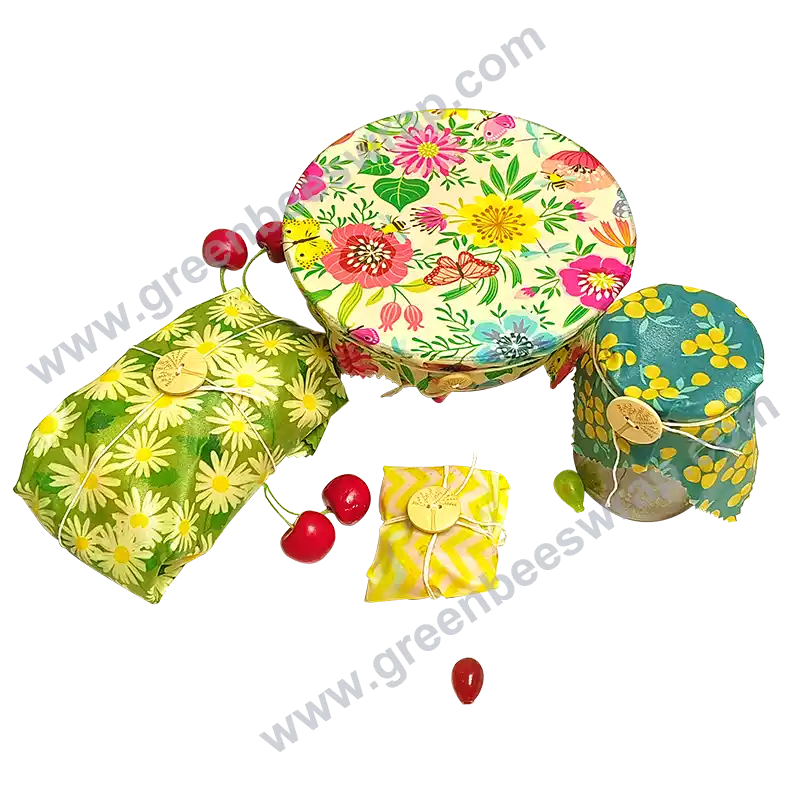
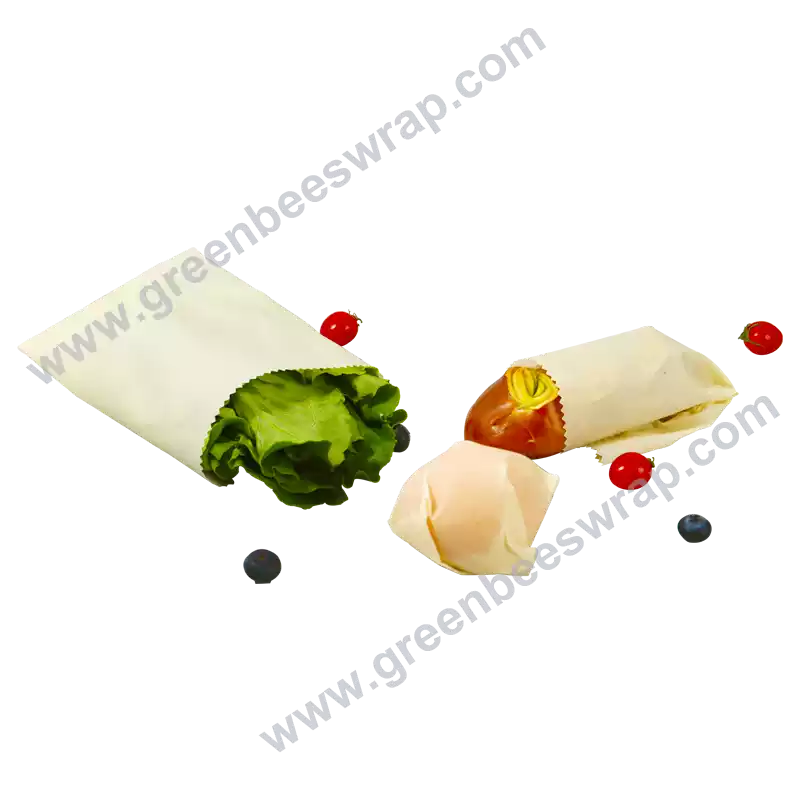
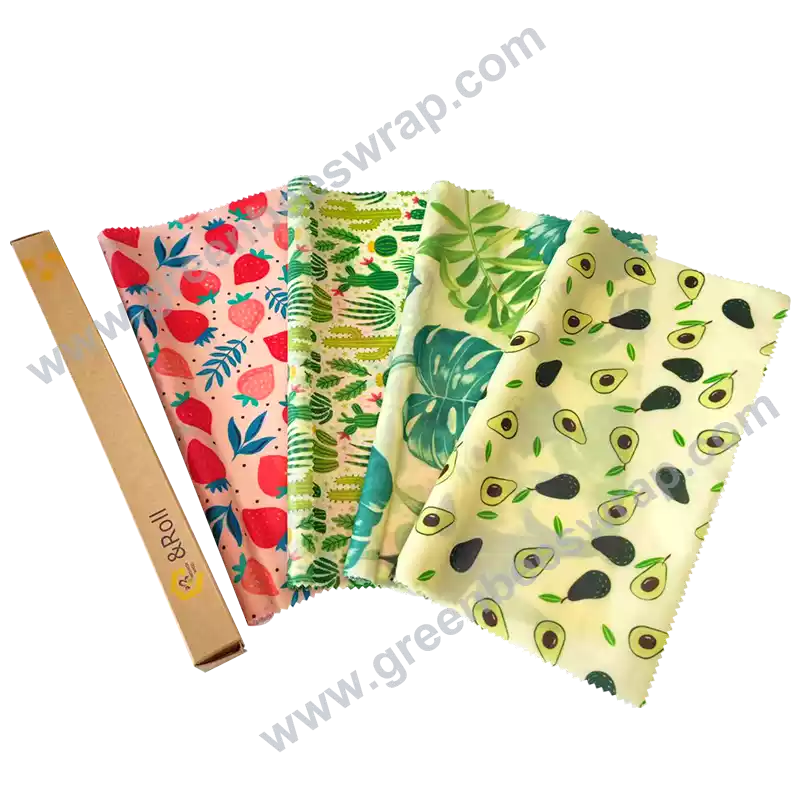
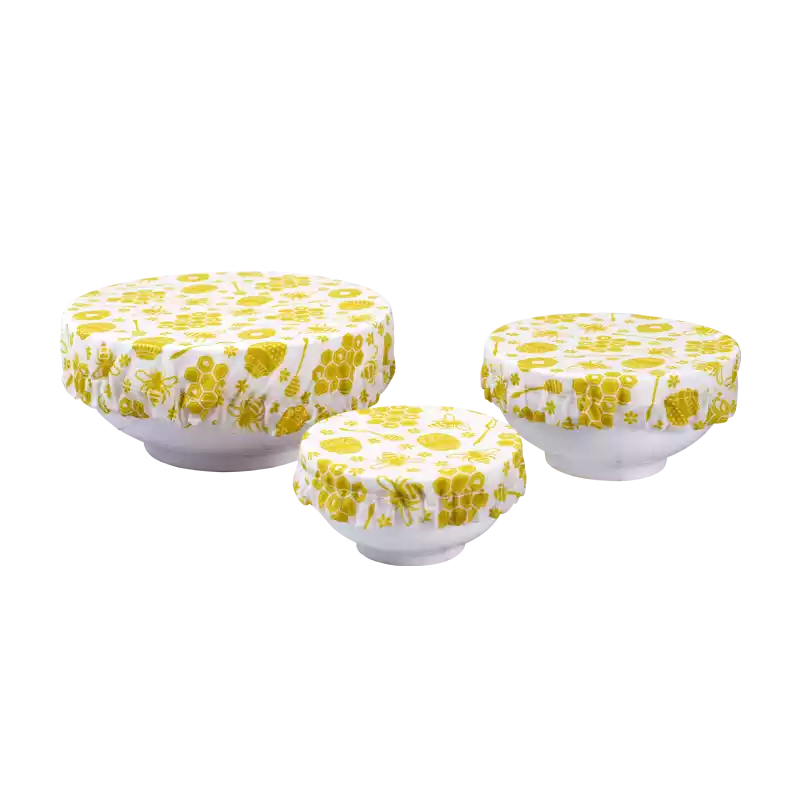
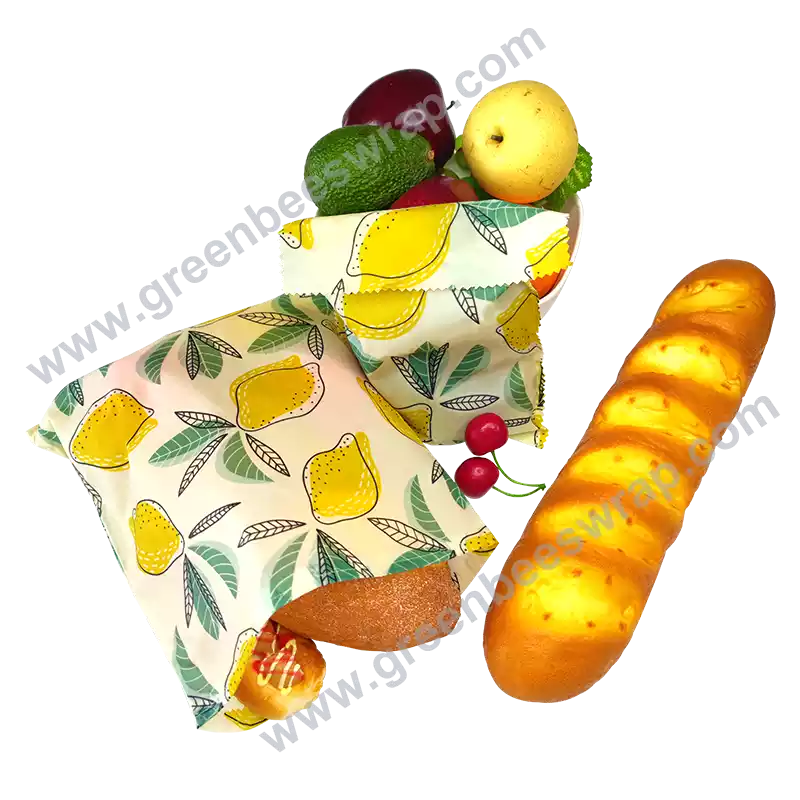
Creating a “Breathable” Sealed Environment
Unlike plastic wrap, beeswax wraps aren’t completely airtight.
Plastic stops almost all air exchange, but these wraps keep tiny pores between the cotton fibers. This micro-breathability allows just enough air movement. It actually works better for many natural foods.
For example: Cheese Cheese needs to breathe. Full sealing causes moisture buildup, sticky surfaces, and faster mold. Beeswax wraps let the right amount of air flow, making them one of the best options for storing cheese.
Bread Fresh bread keeps releasing moisture. Plastic bags trap it, making bread soggy and losing its crusty texture. Beeswax wraps reduce excess moisture loss while letting extra humidity escape, keeping the texture way better.
Using Body Heat to Form a Conforming Seal
Beeswax softens around 62–65°C but gets pliable at body temperature (about 36–37°C). Rub or press it with your hands, and the wax layer softens like clay, molding perfectly around food or bowl rims.
Once it cools, it firms up and holds that shape. That’s why it clings so well to weird shapes like sandwiches, half a lemon, or cheese blocks.
Regulating Humidity Around the Food
A lot of spoilage comes from unbalanced humidity, not just dryness. Too much humidity leads to mold and rot. Too little makes veggies wilt, fruits shrivel, or bread go stale. Beeswax wraps create a semi-permeable space that holds in needed moisture and releases extra, keeping a stable environment. That’s why people notice cucumbers, avocados, celery, and lettuce last longer.
Natural Antimicrobial Properties
Beeswax and pine resin contain natural compounds (like fatty acids and terpenes) that slow down common bacteria and mold. This helps food last longer than with plain cloth or no covering—for instance, cheese can stay good 1-2 weeks longer in the fridge.
Natural Stickiness
The resin adds a light self-stick quality. It seals fabric-to-fabric or fabric-to-bowl with just a gentle press—no rubber bands needed.
Why Does Beeswax Have Preservation Effects?
Beeswax is the natural wax bees produce. Its main properties include:
| Property | Benefit to Food Storage |
|---|---|
| Hydrophobicity | Blocks rapid moisture loss |
| Flexibility | Easy to shape |
| Moisture resistance | Reduces humidity issues |
| Natural source | Biodegradable |
Keep in mind: beeswax wraps aren’t preservatives and don’t kill bacteria. They simply create a better environment for storing food.
How Long Can Beeswax Wraps Extend Freshness?
Results depend on the food type, temperature, humidity, and how you store it. In general:
| Food | Preservation Effect |
|---|---|
| Cheese | Extends for days to weeks |
| Bread | Keeps fresh for several extra days |
| Fruits | Slows moisture loss |
| Leafy vegetables | Maintains crispness longer |
| Sandwiches | Stays fresh for over a day |
They won’t keep food forever, but they usually do a much better job than leaving items uncovered.
Why Can’t Beeswax Wraps Be Used for Hot Foods?
Beeswax melts around: 62°C–65°C (144°F–149°F) High heat causes:
- Softening
- Coating to peel
- Reduced stickiness
- Shorter lifespan
So skip it for: ❌ Hot meals ❌ Hot soup containers ❌ Oven ❌ Microwave ❌ Dishwasher
Best used at room temperature or in the fridge.
What Is the Difference in Working Principles Between Beeswax Wraps and Plastic Wrap?
| What’s Different | Beeswax Wrap | Plastic Wrap |
|---|---|---|
| Sealing Method | Semi-breathable | Fully sealed |
| Material Source | Natural | Petroleum-based |
| Reusable | Yes | Usually single-use |
| Biodegradable | Yes | Very hard to break down |
| Preservation Mechanism | Adjusts humidity + reduces oxidation | Blocks air and moisture |
| Eco-Friendliness | High | Lower |
Real-World Performance Comparison
| Scenario | Beeswax Wraps | Regular Plastic Wrap |
|---|---|---|
| Wrapping bread/sandwiches | Breathable, stays soft | Traps moisture, gets soggy or moldy |
| Storing cut produce | Less oxidation, lasts longer | Too sealed, spoils faster |
| Covering leftovers | Conforms naturally, easy to use | Slips off, creates waste |
| Eco Impact & Reuse | Wash hundreds of times, compostable | Single-use plastic trash |
For breathable foods like cheese, bread, and fresh produce, beeswax wraps usually win out.
Summary
Beeswax wraps work by using nature’s smart design for intelligent preservation. Instead of forcing a tight seal, they use flexibility, breathability, natural antibacterials, and light stickiness to protect food while letting it breathe comfortably.
Thanks to this unique approach, they’ve become a favorite for zero-waste lifestyles, green kitchens, and sustainable packaging. Green Wrap is China’s top beeswax wrap manufacturer, offering custom, wholesale, and retail services.
 English
  German
  French
  Spanish
  Italian
  Dutch
Dutch