

How to Store Beeswax Wraps So They Actually Last?
Most beeswax wraps don’t fail while they’re being used. They fail in a drawer — folded while still damp, sitting in the cupboard above the oven, or left on a windowsill through one too many summer afternoons. The fabric almost always outlives the coating. It’s the coating that does the work, and the coating is the part that storage decides.
That matters at home, and it matters more if you’re putting your name on the box. We manufacture beeswax wraps and cotton bags for eco brands, retailers and supermarkets, and the complaint every wrap brand eventually hears is the same one: “mine stopped sticking after a month.” Nine times out of ten that’s storage or washing, not the wrap.
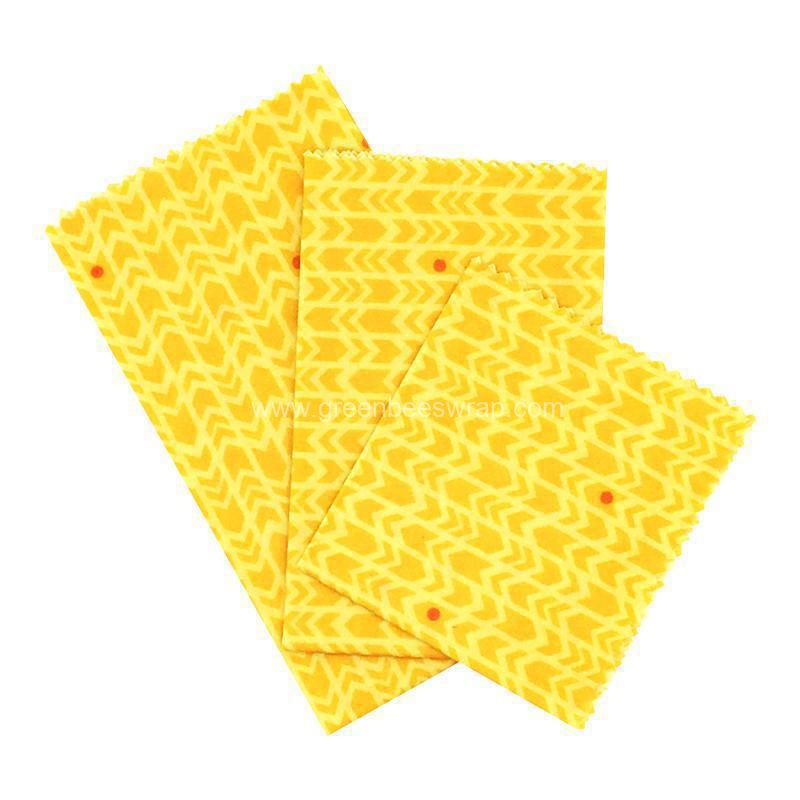
Why storage decides the lifespan
A beeswax wrap is cotton fabric infused with beeswax, jojoba oil and tree resin. In that blend, beeswax carries most of the moisture barrier, resin gives the wrap its grip, and jojoba oil keeps the coated cloth from going brittle. All three are soft, temperature-sensitive materials held in the weave of a fabric — which is exactly why they answer to their surroundings.
- Heat softens and moves the wax. Once you get much above body temperature the coating turns pliable. Park a wrap beside a hob, on top of a fridge or in a hot car and the wax can migrate out of the weave and pool. The wrap comes back patchy and grips badly.
- Cold stiffens it. A chilled wrap still works fine — it just needs the warmth of your hands to become pliable again before it will hold a fold.
- Sunlight and dust do slow damage. UV dries the surface out; dust and lint stick to exposed tack and dull it.
Treated well, a wrap gives roughly 6–12 months of regular use — call it 100+ uses — before the coating wants refreshing. Treated badly, it can look tired in six weeks.
The short answer: cool, dry, dark, and flat or rolled
If you remember one thing: a cool, dry cupboard away from any heat source, and make sure the wrap is completely dry before you put it away.
The heat traps people forget about:
- the cupboard directly above or beside the oven
- the top of the fridge — the motor vents warm air
- the windowsill, and the counter next to it
- the shelf next to the kettle, toaster or coffee machine
- the dashboard or boot of a car in summer
- inside a dishwasher while it’s running, even on the top rack
None of these melt a wrap outright; that isn’t the failure mode. The failure mode is slow, repeated warming that thins the coating until it stops gripping.
Store each format the way it was made
Flat sheets
Fold them flat and stack them, or keep them in the kraft envelope or box they arrived in. Folding is fine once the wrap is dry — creases warm out with your hands. If the stack lives in a drawer that gets a lot of sun, drop it into a cloth bag or a lidded box; the point is to keep dust and light off the tacky surface.
Our single beeswax wraps and solid colour wraps both store this way, and the same goes for printed wraps — the print doesn’t change how the coating behaves.
Rolls
Leave a roll rolled. A beeswax wrap roll keeps its shape best when it’s stored on its side or upright rather than squashed flat, and it’s the one format where a loose roll slowly unwinds into a mess — which is why we offer a sewn button and cotton tie to keep it closed.
Bags
Sandwich and snack bags should be stored open and flat, not folded shut. Folded along the seam for weeks, the coating on either side of the crease can tack to itself and you’ll fight it every time you want to use it. Stand them up in a drawer or slip them between two sheets of card.
This applies to beeswax sandwich bags and beeswax snack bags alike.
Bowl covers
Store bowl covers nested or flat. Stacking them under anything heavy flattens the hem and they lose the spring that lets them snap over a bowl rim.
Bread bags
Keep them empty, dry and open between loaves. Crumbs left in the bottom are the fastest way to turn a good bag musty — the same reason you’d wash a bread bag on a schedule rather than waiting until it smells. We’ve written separately about storing bread without plastic if that’s the job you’re solving.


What not to put in a beeswax wrap
Storage isn’t only about where the wrap lives between uses — it’s also about what you ask it to hold.
- Very wet or runny foods: A flat wrap is water-resistant and breathable, not watertight. Soups, sauces and juicy cut fruit belong in a jar or a container with a lid.
- Raw meat and raw fish: This is the one worth underlining. The coating can’t be washed hot, so there’s no way to sanitise it afterwards. Use glass for raw protein.
- Hot food: Let it cool first. Heat softens the wax and you’ll transfer coating onto the food.
- Strong-smelling food, direct: Onion, garlic, blue cheese and anything else assertive will leave their mark. Wrap it in parchment first, or use a sealed container — the wax picks up odours and it’s very hard to get them back out.
If you want the full picture on where beeswax wraps work and where they don’t, our pros and cons of beeswax wrap piece covers it in more depth.


Wash it and dry it before you store it
This is the step most people skip, and it’s where mould comes from.
- Rinse or wipe under cool or lukewarm running water with a small amount of mild dish soap.
- Use a soft cloth or the soft side of a sponge. No scrubbing, no abrasive pads — you’re wearing through the coating, not cleaning it.
- No hot water. It strips the wax. No dishwasher, no microwave, no soaking.
- Air dry completely before it goes in the drawer. Drape it over a dish rack or a mug, or hang it on a line.
A wrap folded away even slightly damp will mildew in a couple of days, and once it’s in the weave you’ll smell it forever.
Folding and rolling
Two techniques cover almost everything:
- Fold and tuck. Fold the wrap in half over the food, then fold the open edges inward to close it. The warmth of your hands sets the seal as it cools.
- Roll. For sandwiches, snacks and awkward shapes, roll the wrap around the food and press the seam. It’s faster to open and reseal during the day.
Whichever you use, start dry and press the seam firmly — the seal comes from warmth and pressure, not from stretching the fabric.
Short on drawer space? Hang them. A bulldog clip on a rail, or small hooks inside a cupboard door, keeps wraps separated, aired and visible — which also means you actually use them instead of forgetting what’s in the drawer.
Fridge: yes. Freezer: with care
Cold storage is fine. A wrap holding cheese or cut veg in the fridge is doing exactly what it was designed to do; just expect it to be stiff for the first few seconds in your hands.
Freezing is different. Repeated freeze-thaw cycles are hard on the coating — it comes out brittle and noticeably less tacky, and the wrap can crack along a fold. If you’re freezing food regularly, use a silicone bag or a freezer-safe container and keep the wrap for everyday fridge and countertop jobs.
When the coating wears out
A wrap losing its grip isn’t finished. Three things, in order:
- Refresh it. Warm the wrap briefly and rub a beeswax block over the surface, then let it cool. Most wraps get a second life out of this. We supply a refresh block as an add-on for exactly this reason.
- Repair small tears. A nick or a small split can usually be pressed back together with warmth. It won’t be invisible, but it’ll keep working.
- Cut it down. A large wrap that’s gone patchy in the middle still makes a good small one. Trim to size and keep going.
When it’s genuinely done, it’s cotton and wax — it can be cut into strips for the compost rather than going to landfill.
For brands and buyers: care instructions are part of the product spec
If you’re sourcing wraps rather than using them, storage stops being a household tip and becomes a product decision. A few things worth settling before you place a run.
The care card is the cheapest insurance you’ll buy. “It stopped sticking” is the number one review complaint in this category, and most of those reviews are a washing problem, not a quality problem. We can print a branded care and use card, or an instruction insert, and pack it with every unit — kraft envelope, white card box, belly band, display box, whatever the channel wants.
Climate is the variable first-time buyers underestimate. A formula that behaves perfectly in a Rotterdam kitchen can go soft in a Singapore warehouse or a container that sits on a quay in August. We adjust the wax formula for the climate a product is actually going to be sold and stored in, and if your line spans several markets it’s worth saying so at the quote stage rather than after the first shipment.
Think about how the stock is warehoused. The guidance for retailers is the same as for home users: cool, dry, out of direct sun. Pallets parked against a sunny wall or under a roof that heats up in summer will age stock before it ever reaches a shelf.
A refresh block turns a one-off sale into a refill. Selling the block alongside the wrap gives your customer a way to extend the product’s life and gives you a second SKU on the same customer.
Vegan-positioned ranges need a different conversation. Soy wax wraps have no animal ingredients at all, and the soy wax ratio gets tuned for climate in the same way — but the care guidance isn’t identical to beeswax, so it’s worth specifying the right card for the right product.
If you’re at the sampling stage, our FAQ covers MOQ, lead times, food-contact documentation and shipping, and you can talk to us about a custom run when you’ve got sizes and volumes in mind.
Storage checklist
- Dry the wrap completely before it goes away — every time
- Cool, dry cupboard; not above the oven, not on the windowsill
- Keep it out of direct sun, and covered if it’s a dusty spot
- Store bags and bowl covers open or nested, not folded shut under weight
- Keep rolls rolled and tied
- No hot water, no dishwasher, no microwave
- No raw meat, no raw fish, no hot food, no runny liquids
- Refresh the coating when it stops gripping, instead of binning it
FAQ
How long do beeswax wraps last?
With regular use and decent care, roughly 6–12 months — around 100+ uses — before the coating needs refreshing. Washing temperature and storage heat are the two variables that move that number the most.
Can I store beeswax wraps in the fridge?
Yes, that’s what they’re for. Expect them to be stiff straight out of the fridge; a few seconds in your hands makes them pliable again.
Can I put them in the freezer?
Occasional freezer use won’t destroy a wrap, but repeated freezing makes the coating brittle and less tacky. For regular freezer storage use a silicone bag or a freezer container.
Why did my wrap go stiff and crackly?
Usually heat. Somewhere along the line it’s been near an oven, in the sun, or washed in water that was too hot, and the wax has thinned or migrated.
Why did it stop sticking?
Either the coating has worn down — refresh it with a beeswax block — or the surface has picked up dust, lint or food residue. A gentle cool wash and a refresh usually brings it back.
Can I stack several wraps together?
Briefly, yes. For long-term storage, separate them with a sheet of parchment or card so the tacky faces don’t slowly bond.
How do I stop them smelling of onions?
Prevention, mostly. Wrap strong-smelling food in parchment first, or use a sealed container. Once the wax has absorbed an odour it’s very difficult to remove.
Do bowl covers and bags need different storage?
Store bags open and flat so the coating doesn’t tack to itself along the fold, and keep bowl covers nested or flat so the hems keep their shape.
 English
  German
  French
  Spanish
  Italian
  Dutch
Dutch